Long Live the Republic
1997
No user ratings available yet
Diversity score: 5.6 out of 10
2014
Director
Diego Bianchi
Runtime
105 minutes
Average Rating
No ratings yetSynopsis
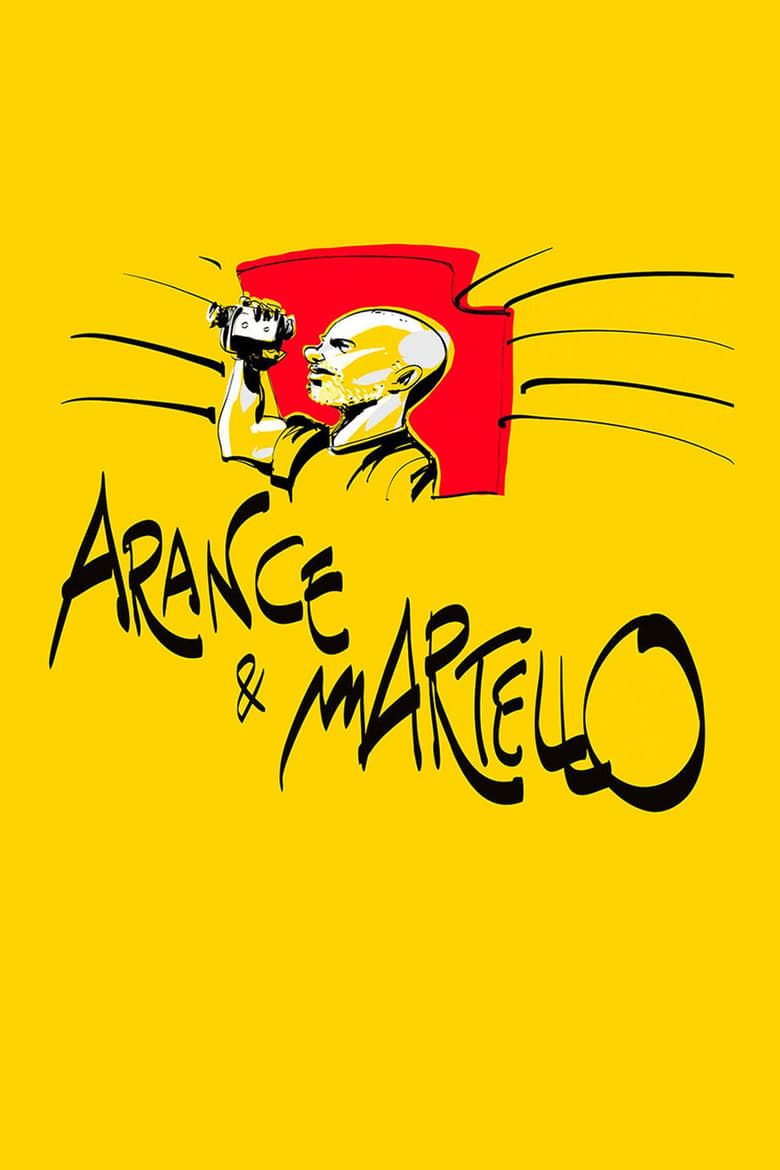
A 'period' piece set in the hot summer of 2011, in the midst of the Berlusconi era. The life of a quiet corner market is shaken when the mayor decides to close it down. The only political organization people can turn to is the local section of the Democratic Party, which is separated from the market by a concrete wall, built to allow the construction of the subway.
Overall Score
Fair
Category Breakdown
LGBTQ+ Representation
The film lacks explicit mention of LGBTQ+ characters or narratives. The focus remains on the intersection of local commerce and political bureaucracy.
Gender Representation
The narrative centers on a conflict between a market and municipal authority. While characters may occupy roles of agency, no specific subversion of gender hierarchies is documented.
Racial & Ethnic Diversity
Set in 2011 Italy, the film focuses on local social structures. There is no specific evidence of diverse casting beyond standard localized European representation.
Religious & Cultural Diversity
The story offers a strong critique of systemic power. It highlights the tension between community stability and disruptive, state-driven urbanization projects like the subway.
Disability Representation
There is no evidence that disability or neurodivergence plays a role in the character arcs or the central narrative.
Strengths
Areas for Improvement
AI Analysis
Arance & martello operates primarily as a localized socio-political satire. It finds its strength in examining the friction between small community institutions and centralized political entities during the Berlusconi era. However, the film lacks visible intersectional identity representation. There is no clear evidence of LGBTQ+ themes, racial diversity, or disability-focused storytelling within the established narrative framework. Ultimately, the work prioritizes communal agency and institutional critique over a broad spectrum of diverse identity representation.
1997
2021
2022

2018

2018

2016

1992
2014

2018
2019
2018

2002
No reviews yet. Be the first to share your thoughts on this movie!
Use the rating form above to leave a star rating and optional review.