Messengers 2: The Scarecrow
2009
No user ratings available yet
Representation score: 2.8 out of 10
Representation Score
Limited
1987
RDirector
David Keith
Runtime
92 minutes
Average Rating
No ratings yetNew Showbiz Analysis
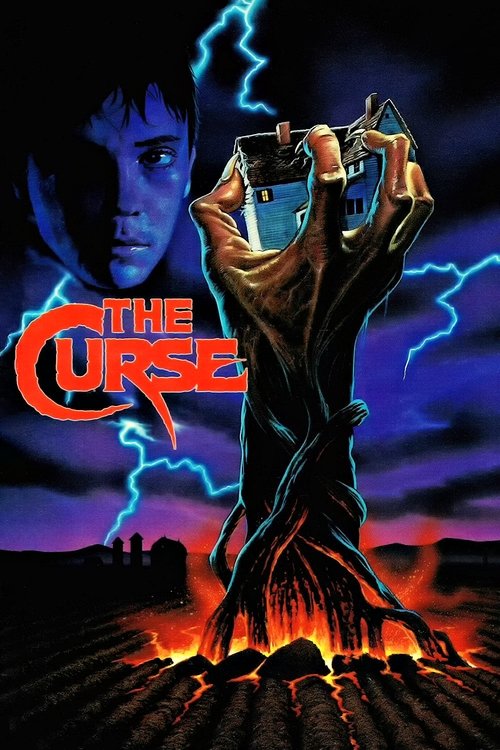
The Curse is a classic 1980s rural horror film that focuses on creating an eerie atmosphere rather than exploring complex social issues. It sticks closely to the cultural and demographic norms of its setting, offering a narrow view of community life. The story relies heavily on well-known horror clichés, centered around a religious family facing external threats. This leads to a lack of diverse representation and minimal disruption to traditional social structures. Ultimately, the film upholds conventional views on family and authority, providing little room for challenging these norms.
Category Breakdown
The film follows a conventional approach that assumes everyone is straight and cisgender. It does not include any LGBTQ+ characters or explore non-traditional gender identities.
The story emphasizes traditional gender roles from the mid-20th century, reinforcing a hierarchy where men hold authority. Women's roles are limited to domestic duties, and they have little influence over the plot.
The film is set in a predominantly white, rural community with little racial or ethnic diversity among the cast.
Religion plays a key role in the main character's life, but the film focuses on situational fear rather than critiquing capitalist or Western values explicitly.
The plot revolves around psychological states and supernatural elements, but these are used as genre tools. There is no deep exploration of mental health issues or empowering characters with disabilities.
Present on Screen
Limited or Absent
Official Synopsis
Nathan Hayes is a religious man trying to hold onto his farm and keep his family in line. A real estate developer is trying to buy most of the farm property in the area, including Mr. Hayes’ family farm, in the hope that the Tennesse Valley Authority will choose the town for the site of a new dam and recreational area. The night of a terrible storm, an unidentified, glowing object crashes on the Hayes farm and with it comes a horrible curse for the family and other members of the community.
2009

1953
1979
1972
1980

1976

1982
1998
No reviews yet. Be the first to share your thoughts on this movie!
Use the rating form above to leave a star rating and optional review.