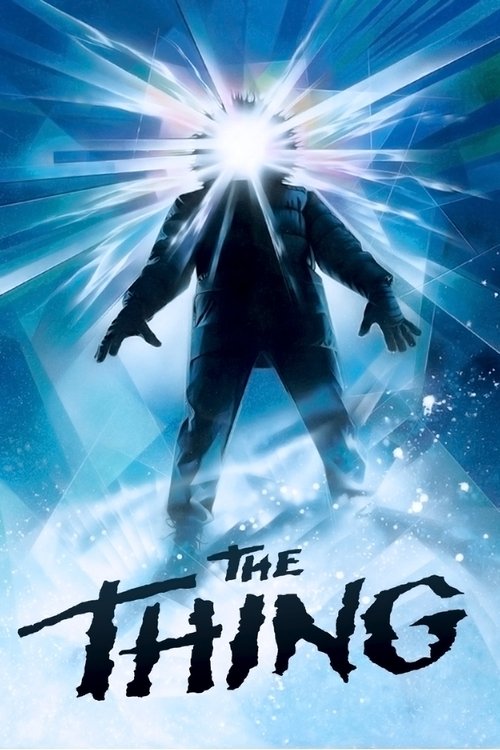
The Thing
1982
No user ratings available yet
Representation score: 1.3 out of 10

Representation Score
Minimal
1988
RDirector
Chuck Russell
Runtime
95 minutes
Average Rating
No ratings yetNew Showbiz Analysis
Chuck Russell’s adaptation of *The Blob* is a classic 1980s creature feature. The story focuses on biological horror and survival, rather than social critiques or identity politics. The narrative maintains a conventional status quo. The primary conflict centers on the struggle for survival against an external biological threat, rather than an internal struggle against societal structures. Ultimately, the film reflects its time period, focusing on the biological threat rather than challenging established social hierarchies or offering nuanced representations of diverse identities.
Category Breakdown
The film does not include any LGBTQ+ characters or explore queer identity. It presents a conventional social landscape without addressing non-straight relationships.
The story follows a typical gender binary focused on teenage protagonists. While the main character, Meg, plays a significant role in driving the plot, the film does not challenge traditional gender hierarchies.
The cast is mostly white, reflecting the homogeneous demographics of 1980s small-town films. There are no characters of color in key roles.
The film operates within a traditional Western framework. It portrays the failure of local institutions as a result of external threats, rather than critiquing systemic issues.
There are no prominent depictions of visible or invisible disabilities. The narrative does not address neurodivergence or physical impairments.
Present on Screen
Limited or Absent
Official Synopsis
In Arborville, California, three high school students try to protect their hometown from a gelatinous alien life form that engulfs everything it touches.
1982
1958

1998
1967
1980
1974
1984
1975
No reviews yet. Be the first to share your thoughts on this movie!
Use the rating form above to leave a star rating and optional review.