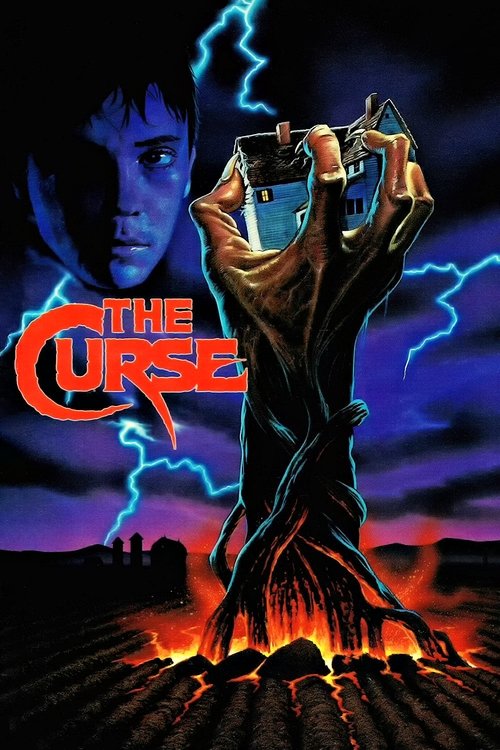
The Curse
1987
No user ratings available yet
Representation score: 2.7 out of 10
Representation Score
Limited
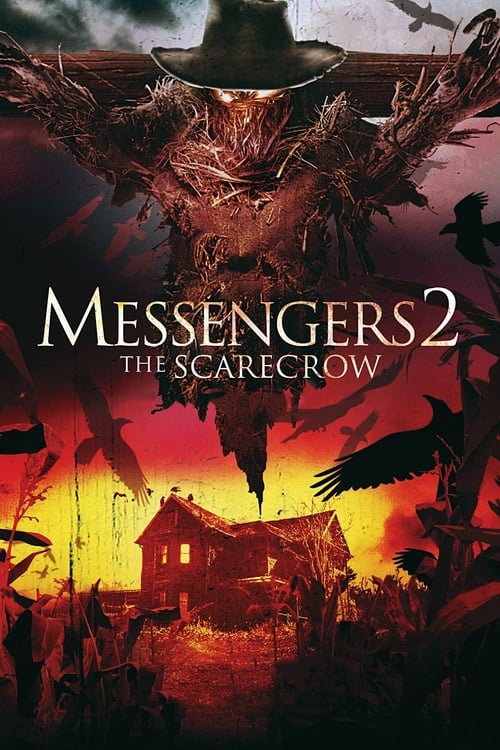
2009
RDirector
Martin Barnewitz
Runtime
94 minutes
Average Rating
No ratings yetNew Showbiz Analysis
Messengers 2: The Scarecrow is a conventional horror film that relies heavily on established genre clichés. It prioritizes a man-versus-supernatural conflict, leaving little room for exploring diverse identities or deconstructing social norms. The narrative reinforces traditional views of family and economic struggle. By focusing on a localized, homogeneous rural setting, the film avoids engaging with diverse identities or systemic social critiques. Ultimately, the film operates within narrow boundaries, prioritizing suspense and rural dread over any meaningful representation of underrepresented groups.
Category Breakdown
The film does not include any LGBTQ+ characters or storylines. It focuses on a traditional nuclear family structure without addressing non-straight relationships.
Female characters such as Mary are primarily defined by their domestic roles and relationships to the male protagonist. The film adheres to typical genre conventions rather than challenging gender hierarchies.
The setting seems homogeneous, focusing on a localized agrarian struggle. There is no indication of diverse ethnic backgrounds being integrated into the rural environment.
The story uses the struggling farmer cliché to explore economic hardship. It focuses on personal misfortune rather than critiquing broader societal issues.
There is no evidence of characters with visible or invisible disabilities. The supernatural terror does not incorporate neurodivergence or physical disability as part of the narrative.
Present on Screen
Limited or Absent
Official Synopsis
The family man farmer John Rollins is stressed with his financial situation: the crows and the lack of irrigation are destroying his crop of corn; the bank is near closure of his mortgage; he does not have credit to fix the water pump or to buy seeds; and his marriage is in crisis and his wife Mary is giving too much attention to her friend Tommy. When John accidentally discovers a hidden compartment in the barn, he finds a creepy scarecrow but his son Michael makes him promise to destroy it. However, his neighbor Jude Weatherby visits him, gives a six-pack of beer to the abstemious John and convinces him to put the scarecrow in the cornfield. Out of the blue, the life of John changes: the crows die; the pump works again irrigating the land; and the banker responsible for the closure has an accident and dies. However, he feels that his land is possessed by something evil that is threatening his beloved family.
1987
2015
2009
2002
2015
2019
2019
2020
No reviews yet. Be the first to share your thoughts on this movie!
Use the rating form above to leave a star rating and optional review.