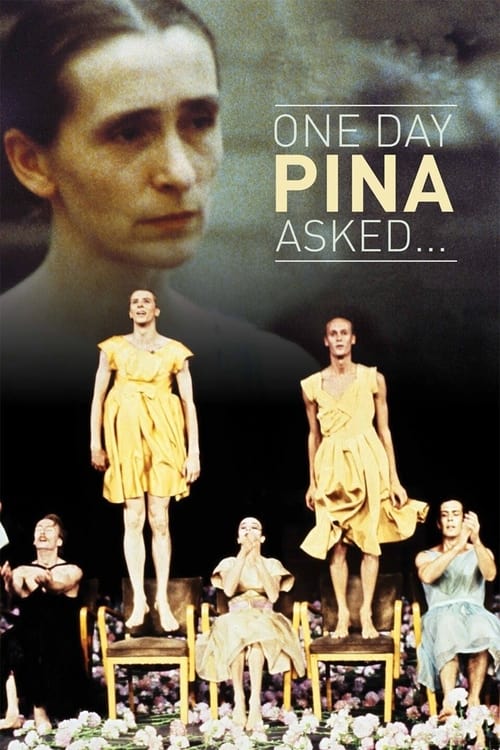
One Day Pina Asked...
1989
No user ratings available yet
Representation score: 8.8 out of 10
Representation Score
Fair
2005
Not RatedDirector
Claire Denis
Runtime
84 minutes
Average Rating
No ratings yetNew Showbiz Analysis
Claire Denis delivers a sophisticated documentary that excels at challenging traditional narrative expectations. By centering on intellectual and sensory experiences of women, the film successfully challenges conventional gender hierarchies. However, the work remains limited by a lack of racial diversity, as the cast is almost exclusively white and European. This narrow demographic focus prevents the film from achieving a truly inclusive perspective. Ultimately, the film's strength lies in its formal approach to identity. It uses a modern lens to explore non-traditional sexual identities and subjective morality, even if it lacks broader representation across other social categories.
Category Breakdown
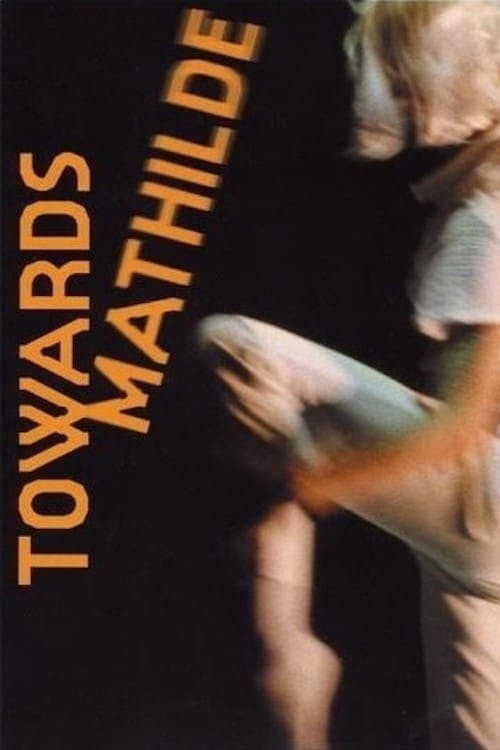
The film moves away from traditional plot structures to focus on the fluidity of desire. It explores non-normative sexual identities and queer feelings through atmosphere and implication.
The narrative disrupts traditional hierarchies by centering entirely on female subjectivity. Women are positioned as primary drivers of their own emotional and physical realities, rather than passive objects.
The ensemble is predominantly white and European, reflecting the specific cultural context of the subject. There is a lack of diverse racial representation within the primary cast.
The film favors personal experience and situational ethics over rigid moral frameworks. It prioritizes sensory, individual truths over traditional Western institutional values.
There are no central characters or plot points specifically addressing physical or neurodivergent disabilities.
Present on Screen
Limited or Absent
Official Synopsis
The french choreographer Mathilde Monnier and her preparation for her next performance is the main focus of this documentary. The choreography's practices and the bodies, everything is registered in some sort of anthropological way by the filmmaker's camera.
1989
2011

2012
2003
2009

2012
2006
2016
No reviews yet. Be the first to share your thoughts on this movie!
Use the rating form above to leave a star rating and optional review.