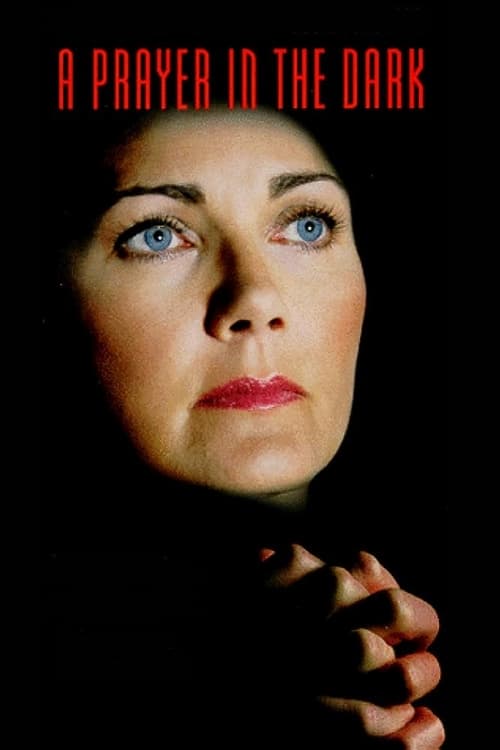
A Prayer in the Dark
1997
No user ratings available yet
Diversity score: 1.6 out of 10

1988
Not RatedDirector
Larry Elikann
Runtime
120 minutes
Average Rating
No ratings yetSynopsis
Religious beliefs clash with the law when an Amish infant is killed in a rural community.
Overall Score
Fair
Category Breakdown
LGBTQ+ Representation
The film lacks LGBTQ+ characters or any exploration of non-heteronormative identities. The central conflict remains rooted in heteronormative dynamics and racial tensions.
Gender Representation
A female protagonist drives the narrative, exercising significant agency and autonomy. She subverts traditional marital hierarchies by prioritizing personal fulfillment over the stability of the nuclear family.
Racial & Ethnic Diversity
The story uses an interracial relationship between a white woman and a Black man to catalyze social tension. This dynamic challenges the homogeneity of the 1980s suburban landscape.
Religious & Cultural Diversity
The film critiques traditional Western institutions and rigid middle-class moral codes. It favors moral relativism and the pursuit of personal truth over social conformity.
Disability Representation
There is no discernible focus on visible or invisible disabilities within the narrative.
Strengths
Areas for Improvement
AI Analysis
A Stoning in Fulham County functions as a critique of mid-century social stability. It prioritizes individual agency and moral relativism, often at the expense of traditional community structures. The film succeeds in deconstructing the nuclear family and highlighting racialized social boundaries through its central romantic connection. These elements provide a progressive counter-narrative to 1980s suburban norms. However, the lack of LGBTQ+ and disability representation limits the film's breadth. While it tackles complex social friction, it remains focused on specific racial and gendered power dynamics.
No reviews yet. Be the first to share your thoughts on this movie!
Use the rating form above to leave a star rating and optional review.