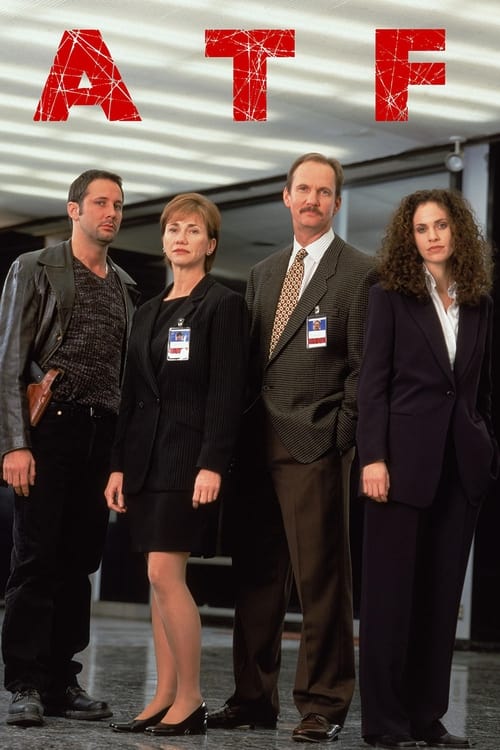
ATF
1999
No user ratings available yet
Representation score: 3.4 out of 10

Representation Score
Limited
1998
TV-14Director
Alan Metzger
Runtime
86 minutes
Average Rating
No ratings yetNew Showbiz Analysis
The film's primary strength lies in its subversion of gendered action clichés. By centering a female judge as the protagonist, the narrative grants a woman intellectual and legal authority typically reserved for men in the Western thriller genre. However, the production remains limited by the era's demographic defaults. The lack of visible racial, sexual, or disability-related diversity keeps the score low, as the film adheres to the homogeneous casting common in 1990s television movies. Ultimately, while the protagonist's role provides a meaningful shift in power dynamics, the film lacks the multi-layered depth required for a higher diversity rating.
Category Breakdown
The film does not include explicit LGBTQ+ identities or narratives that question the assumption that everyone is straight or cisgender. The focus on a judge protecting her family suggests a traditional domestic unit.
A female judge serves as the central protagonist, providing a significant role in driving the story and systemic authority. This disrupts Western genre expectations by placing a woman in a position of power.
The film seems to reflect the demographic norms of its 1990s setting. There is no evidence of a non-white majority or diverse casting.
The story explores institutional conflict between the legal system and an extra-legal militia within a traditional framework of law and order.
There is no evidence regarding the inclusion or portrayal of characters with physical or neurodivergent disabilities.
Present on Screen
Limited or Absent
Official Synopsis
A Montana judge has to protect her family from a militia group after she challenges their leader.
1999

2018
1996

2008
2004

1993

2022

2020
No reviews yet. Be the first to share your thoughts on this movie!
Use the rating form above to leave a star rating and optional review.