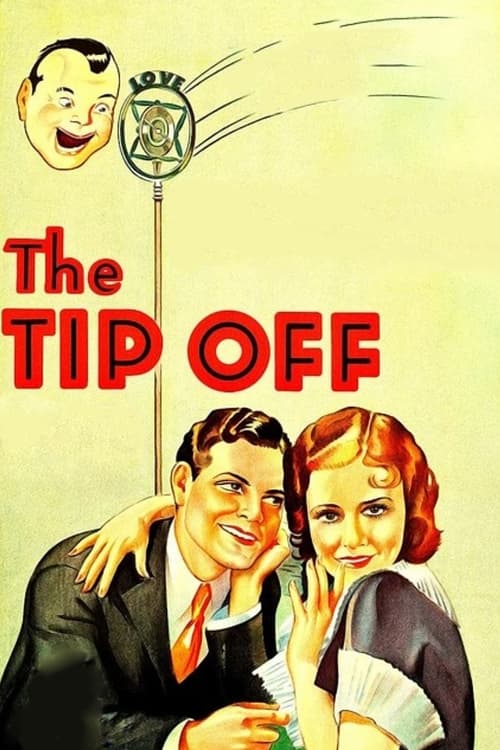
The Tip-Off
1931
No user ratings available yet
Representation score: 1.4 out of 10

Representation Score
Minimal
1930
NRDirector
John Ford
Runtime
85 minutes
Average Rating
No ratings yetNew Showbiz Analysis
John Ford’s early Pre-Code work explores the 'lovable rogue' archetype, challenging the strict moralism of the era. The film delves into the complexities of social outcasts and the camaraderie within a restrictive system. However, it lacks diverse representation across various identity categories, focusing primarily on masculine camaraderie within a male-dominated environment. While the narrative offers a sympathetic view of those outside traditional social orders, it remains a product of its time, marked by a lack of racial, gender, and LGBTQ+ diversity.
Category Breakdown
The film takes place entirely within a male-dominated prison setting, with no indication of non-binary or LGBTQ+ identities or same-sex relationships.
The story focuses mainly on male inmates and their social hierarchy. Female characters play minor roles, often serving as catalysts for male motivations.
The cast is mostly white and uniform, reflecting the production standards of the 1930s. There is no significant racial or ethnic diversity.
The film presents criminals as sympathetic figures, critiquing state-run institutions through the camaraderie of the underrepresented. It offers a subtle critique of institutional authority.
There is no representation of physical, neurodivergent, or sensory disabilities. Characters are defined by their criminal status rather than any form of disability.
Present on Screen
Limited or Absent
Official Synopsis
Daily life at men and women's prison units where baseball and the marching band are serious business. Two prisoners escape in order to help paroled Steve from being blackmailed by his girlfriend's ex-partner-in-crime.
1931
1933
1933
1924
1934
1937
1942
1942
No reviews yet. Be the first to share your thoughts on this movie!
Use the rating form above to leave a star rating and optional review.