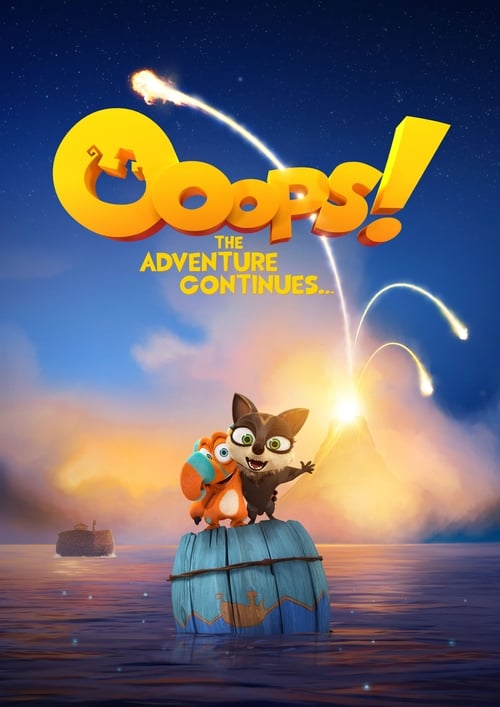
Two by Two: Overboard!
2020
No user ratings available yet
Representation score: 4.3 out of 10
Representation Score
Good
2015
GDirector
Toby Genkel
Runtime
85 minutes
Average Rating
No ratings yetNew Showbiz Analysis
The film uses anthropomorphic metaphors to explore themes of systemic exclusion and social belonging. By centering the story on 'outsider' species, it effectively critiques institutional hierarchies and the rigidity of traditional authority figures. However, the lack of explicit human identity markers limits its breadth. While the species-based allegory provides a unique way to discuss exclusion, the film remains narrow in its depiction of specific human-centric identities. Ultimately, the work succeeds as a social critique through its adventure framework but relies on comedic clichés for character flaws, which prevents a deeper exploration of diverse lived experiences.
Category Breakdown
The film does not include explicit LGBTQ+ identities or non-cisgender expressions. Character relationships focus on traditional family structures without any queer-coded subtext.
Female characters such as Hazel play significant roles in driving the story. The film avoids male-dominated clichés by showcasing balanced cooperation between Hazel and Dave.
The film uses species as a metaphor for social stratification. The Nestrians represent underrepresented groups facing systemic exclusion from the Ark's hierarchy.
The narrative deconstructs the biblical Noah myth through a secular, character-centric lens. It critiques rigid institutions by focusing on unauthorized animals rather than religious adherence.
There is no significant representation of disability. Character clumsiness serves primarily as a comedic device rather than a nuanced portrayal of neurodivergence or physical impairment.
Present on Screen
Limited or Absent
Official Synopsis
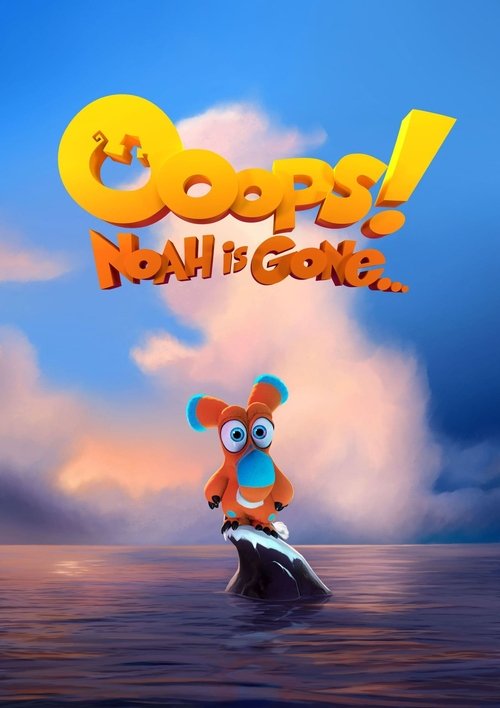
It's the end of the world. A flood is coming. Luckily for Dave and his son Finny, a couple of clumsy Nestrians, an Ark has been built to save all animals. But as it turns out, Nestrians aren't allowed. Sneaking on board with the involuntary help of Hazel and her daughter Leah, two Grymps, they think they're safe. Until the curious kids fall off the Ark. Now Finny and Leah struggle to survive the flood and hungry predators and attempt to reach the top of a mountain, while Dave and Hazel must put aside their differences, turn the Ark around and save their kids. It's definitely not going to be smooth sailing.
2020
2018
2014
2020
2012

1997
2003

2014
No reviews yet. Be the first to share your thoughts on this movie!
Use the rating form above to leave a star rating and optional review.