Bilby
2018
No user ratings available yet
Representation score: 2.8 out of 10
Representation Score
Excellent
2021
PGDirector
Clare Knight, Harry Cripps
Runtime
92 minutes
Average Rating
No ratings yetNew Showbiz Analysis
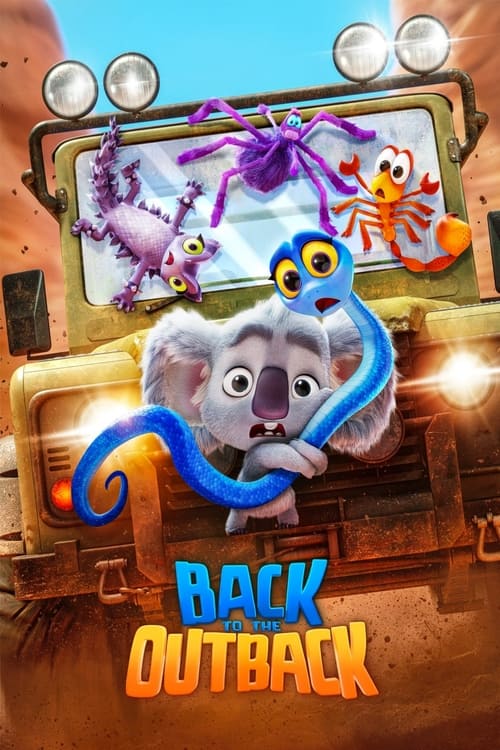
Back to the Outback uses animals to explore themes of societal judgment and bias. By focusing on 'monstrous' creatures, the film challenges traditional good/bad characterizations and questions how society sidelines those it fears. The film's strength lies in its use of metaphor to critique institutional control and subjective perceptions of 'monstrosity.' It provides a narrative of reclaiming identity for characters seeking control over their lives. However, the film lacks explicit human demographic representation. While the animal metaphor is powerful, the absence of overt LGBTQ+ or specific cultural identities limits its direct representation.
Category Breakdown
The film doesn't explicitly include LGBTQ+ identities or romantic relationships. Instead, it highlights friendships and a shared fight for freedom.
A group of women leads the emotional and strategic aspects of the story. The narrative avoids traditional male-centric storylines, emphasizing equality based on skill and compassion.
Non-human species represent racial diversity. The film challenges how characters are judged unfairly by outsiders who see them as different.
The zoo symbolizes restrictive institutions. The film criticizes how society categorizes and confines individuals based on perceived threats.
Characters with physical traits considered scary by humans are shown as essential parts of their identity. The film avoids using them as inspirational objects by focusing on their own choices.
Present on Screen
Limited or Absent
Official Synopsis
Tired of being locked in a reptile house where humans gawk at them like they are monsters, a ragtag group of Australia’s deadliest creatures plot an escape from their zoo to the Outback, a place where they’ll fit in without being judged.
2018
2020
2017
2018
2008
2020
2019

2014
No reviews yet. Be the first to share your thoughts on this movie!
Use the rating form above to leave a star rating and optional review.