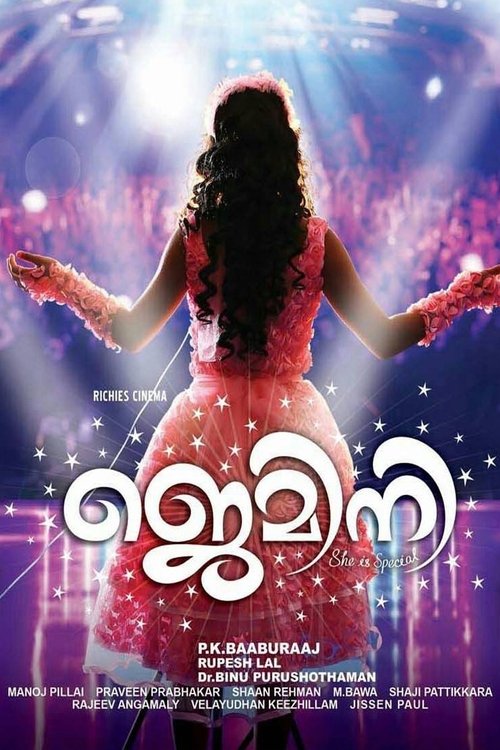
Gemini
2017
No user ratings available yet
Diversity score: 4.8 out of 10

1969
Director
Orhan Aksoy
Runtime
90 minutes
Average Rating
No ratings yetSynopsis
Having lost her entire family in a fire, Kınalı Yapıncak becomes deaf and mute due to the shock. Since she has no one, she takes refuge with her aunt. Her aunt introduces her as a servant girl.
Overall Score
Limited
Category Breakdown
LGBTQ+ Representation
The film focuses on traditional familial and domestic structures. There is no evidence of LGBTQ+ characters or narratives addressing queer themes.
Gender Representation
The story centers on a female protagonist navigating extreme hardship and social displacement. While she shows resilience, her agency is limited by her disability and forced servitude.
Racial & Ethnic Diversity
As a 1969 Turkish production, the film reflects the demographic realities of its era. It provides a localized cultural perspective rather than global ethnic blending.
Religious & Cultural Diversity
The narrative explores social class and the precariousness of status. It leans toward traditional melodrama, often reinforcing conventional moral lessons regarding suffering and endurance.
Disability Representation
The protagonist's deafness and mutism are central to her identity and social experience. The portrayal provides visibility for sensory disabilities, though it risks using the tragic victim trope.
Strengths
Areas for Improvement
AI Analysis
Kınalı Yapıncak is a period drama that uses personal trauma and sensory disability to explore social hierarchies. The film provides meaningful visibility for a protagonist living with deafness and mutism, making her lived experience a core narrative element. However, the film remains bound by the social and gendered constraints of 1969. The protagonist's journey is defined by her vulnerability within a patriarchal structure and her descent into a lower social class as a servant. Ultimately, the work functions as a study of individual resilience. It operates within traditional melodramatic frameworks rather than seeking to disrupt the systemic social norms of its time.
2017
1981

1949
1986

1999

1983

2020
2018

1989
1936

1959
2005
No reviews yet. Be the first to share your thoughts on this movie!
Use the rating form above to leave a star rating and optional review.