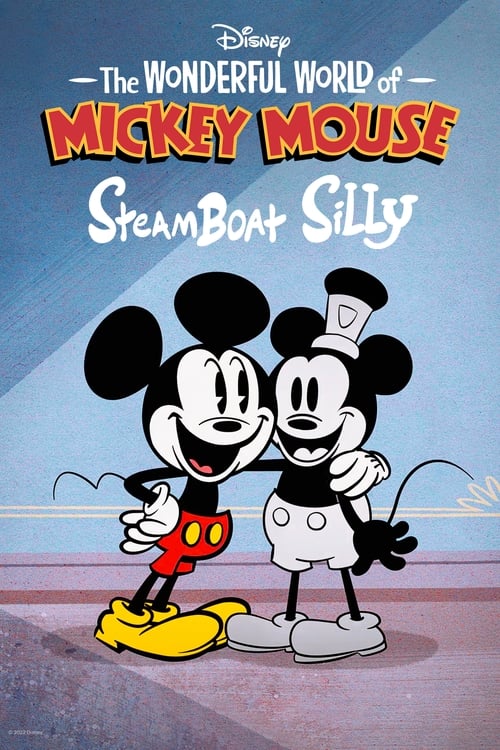
The Wonderful World of Mickey Mouse: Steamboat Silly
2023
No user ratings available yet
Diversity score: 3.7 out of 10
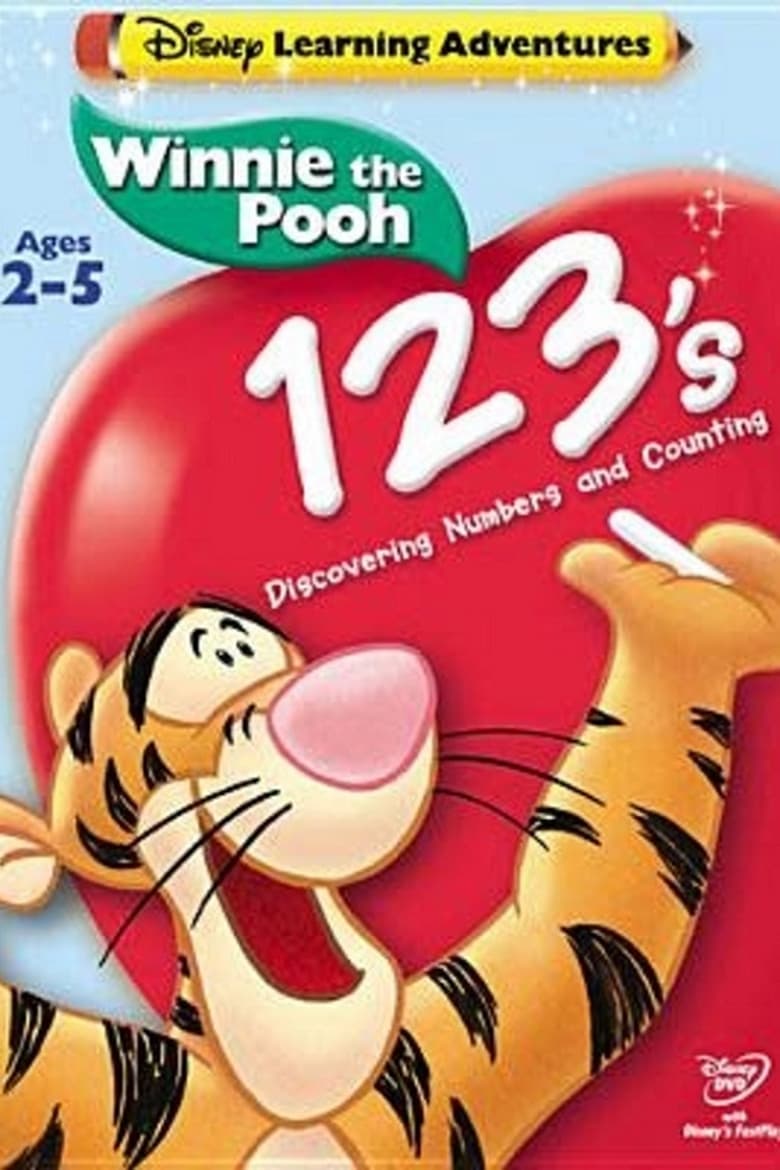
2004
Director
Gary Katona, Ed Wexler
Runtime
30 minutes
Average Rating
No ratings yetSynopsis
Winnie the Pooh and friends teach counting.
Overall Score
Limited
Category Breakdown
LGBTQ+ Representation
The film lacks any evidence of non-cisnormative gender identities or same-sex intimacy. The focus remains strictly on foundational numeracy within a traditional social structure.
Gender Representation
Characters follow established archetypes from the Winnie the Pooh mythos. The narrative does not attempt to subvert traditional gender hierarchies or deconstruct masculinity.
Racial & Ethnic Diversity
The use of anthropomorphic animals provides a neutral canvas but lacks intentional racial blending. The setting remains within the homogeneous confines of the Hundred Acre Wood.
Religious & Cultural Diversity
The content prioritizes educational instruction over engagement with complex socio-political themes. It operates within a traditionalist framework designed for early childhood stability.
Disability Representation
Physical eccentricities are treated as character traits rather than meaningful explorations of disability. No characters with disabilities drive the plot through high agency.
Strengths
Areas for Improvement
AI Analysis
Winnie the Pooh: 123's functions primarily as a pedagogical tool for early childhood development. It prioritizes instructional clarity and counting over any form of social or cultural commentary. The production adheres to traditional tropes of children's media, maintaining a safe and stable environment. This results in a lack of intersectional complexity or narrative subversion. Because the characters are anthropomorphic animals, the film avoids direct racial or cultural representation, opting instead for a neutral, homogeneous setting.
2023
2008

2012
2006
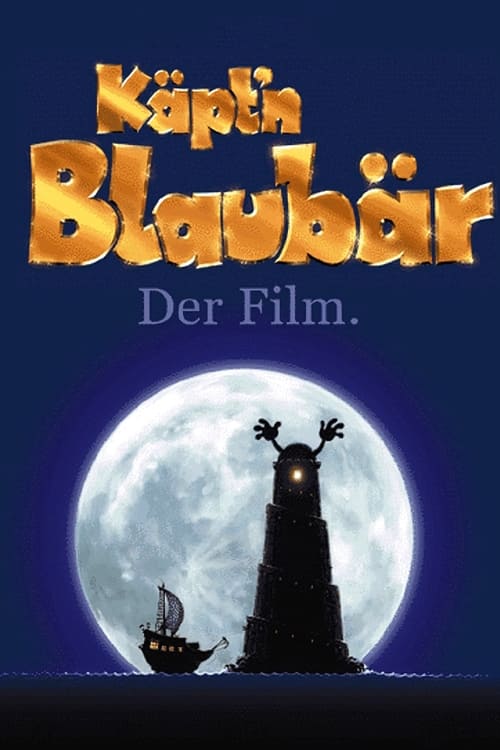
1999
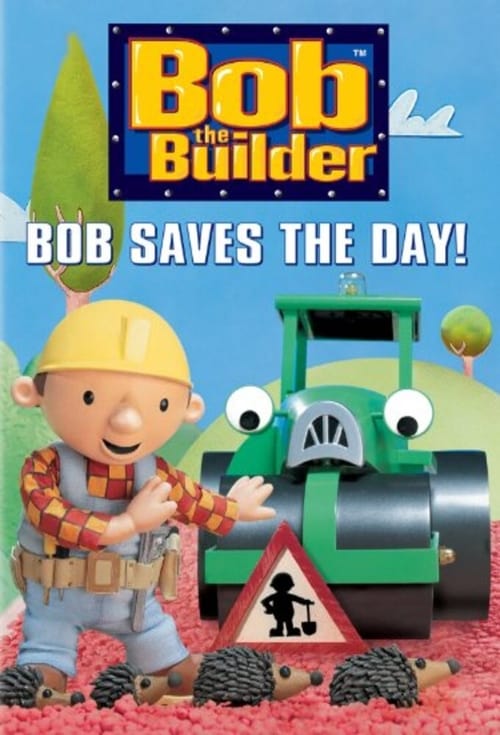
2004
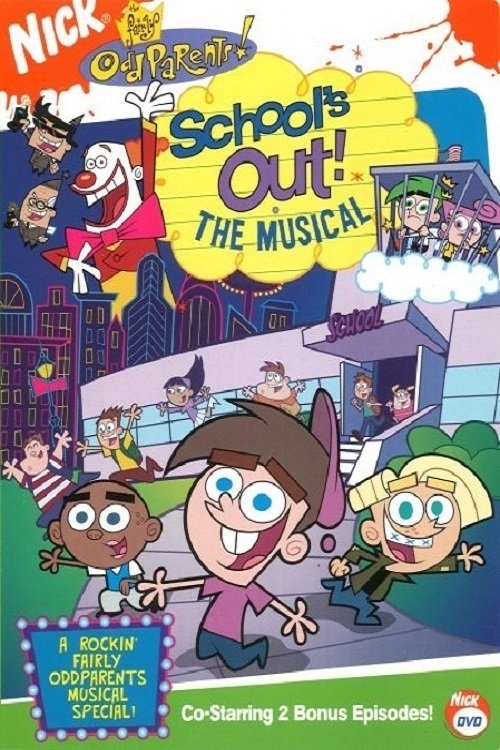
2005
2008
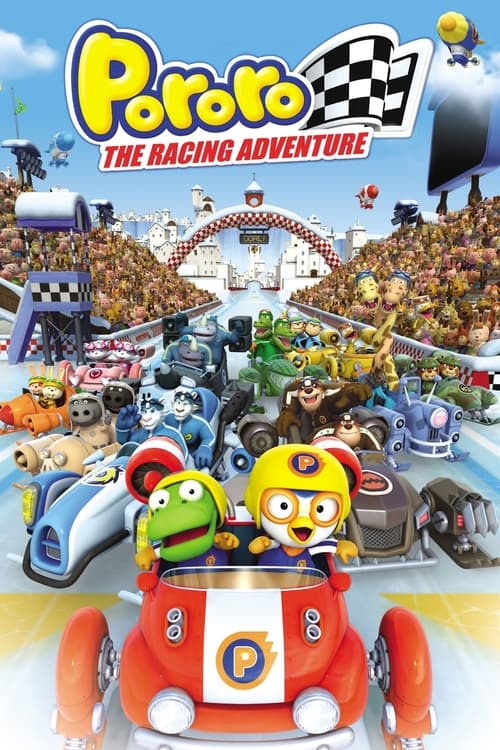
2013
2006
2006
2012
No reviews yet. Be the first to share your thoughts on this movie!
Use the rating form above to leave a star rating and optional review.