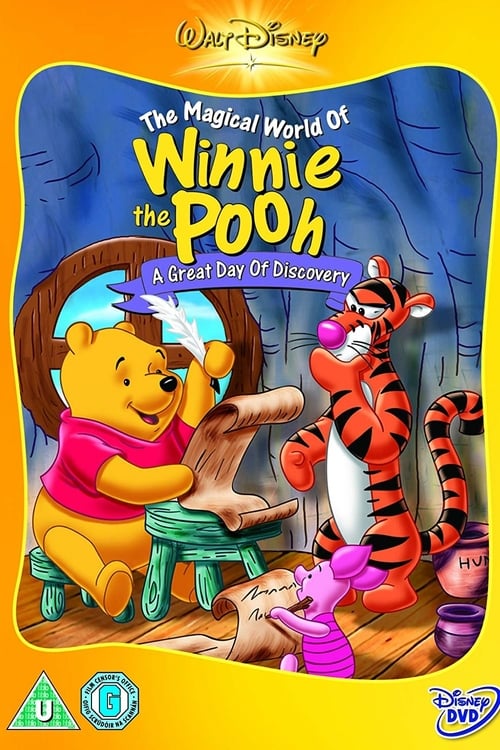
The Magical World of Winnie the Pooh: A Great Day of Discovery
2003
No user ratings available yet
Representation score: 3.3 out of 10
Representation Score
Minimal
2003
Runtime
55 minutes
Average Rating
No ratings yetNew Showbiz Analysis
The film is composed of vignettes aimed at early childhood development. It prioritizes emotional intelligence and prosocial behavior over complex social issues and identity exploration. Since the characters are anthropomorphic animals in a homogeneous setting, the narrative avoids human racial, ethnic, or sexual identity markers. The world is built around universal themes of friendship and community stability. Ultimately, the work reinforces traditional social norms and archetypes. It lacks the complexity needed to challenge or diversify the viewer's perspective.
Category Breakdown
The film does not depict any LGBTQ+ identities or same-sex relationships. All character interactions are focused on friendship and childhood companionship.
The narrative follows traditional gender roles. Female characters serve as nurturing figures, while male characters face social and physical challenges.
As an anthropomorphic animation, the film does not include human racial or ethnic identifiers. The pastoral setting does not address race or multiculturalism.
The film upholds traditional prosocial values like cooperation and kindness. It emphasizes social cohesion and community stability without critiquing Western institutions.
Characters experience temporary physical or emotional setbacks, such as Tigger losing his stripes. These are used as plot devices rather than exploring permanent disabilities.
Present on Screen
Limited or Absent
Official Synopsis
Join all your pals from the Hundred Acre Wood as they laugh, play and learn important lessons in four enchanting adventures. First, Piglet feel like A Very, Very Large Animal when some little ants make him their big hero. Then, Rabbit learns you can also trust your pals in No Rabbit's A Fortress. In Stripes, Tigger realises his friends like him for what's on the inside when he loses his stripes! Finally, a friendship grows stronger when Tigger thinks Rabbit's helping him train to be a better bouncer in Tigger's Shoes.
2003

2004
1997

1977
2003
2002

2003

1997
No reviews yet. Be the first to share your thoughts on this movie!
Use the rating form above to leave a star rating and optional review.