
Pooh's Grand Adventure: The Search for Christopher Robin
1997
No user ratings available yet
Representation score: 2.3 out of 10
Representation Score
Limited
2011
GDirector
Don Hall, Stephen J. Anderson
Runtime
63 minutes
Average Rating
No ratings yetNew Showbiz Analysis
Winnie the Pooh (2011) is a traditionalist narrative that prioritizes emotional stability and classic storytelling. It focuses on universal themes of childhood rather than challenging social or systemic norms. The film maintains a conservative media profile, adhering to established social structures. It lacks the complexity required to address identity politics, instead offering a gentle, predictable ecosystem for its audience. Because the characters are anthropomorphic animals, the film bypasses human racial and cultural complexities entirely, resulting in a homogeneous world that lacks multi-layered depth.
Category Breakdown
The Hundred Acre Wood follows a strict assumption that everyone is straight and cisgender, with no depictions of diverse gender identities or same-sex relationships.
Gender roles follow conventional archetypes, with Kanga serving as the primary maternal figure. Male characters occupy various temperaments within a stable, traditional social ecosystem.
The use of anthropomorphic animals precludes human racial or ethnic representation. The cast is homogeneous in species, offering no platform for exploring the way different parts of someone's identity overlap.
The film focuses on Western themes of childhood innocence and friendship. It reinforces traditional bonds between children and caregivers without engaging in complex cultural critiques.
Eeyore’s melancholy functions as a personality cliché rather than a nuanced exploration of mental health. The film avoids using disability as a device for mockery or inspiration.
Present on Screen
Limited or Absent
Official Synopsis
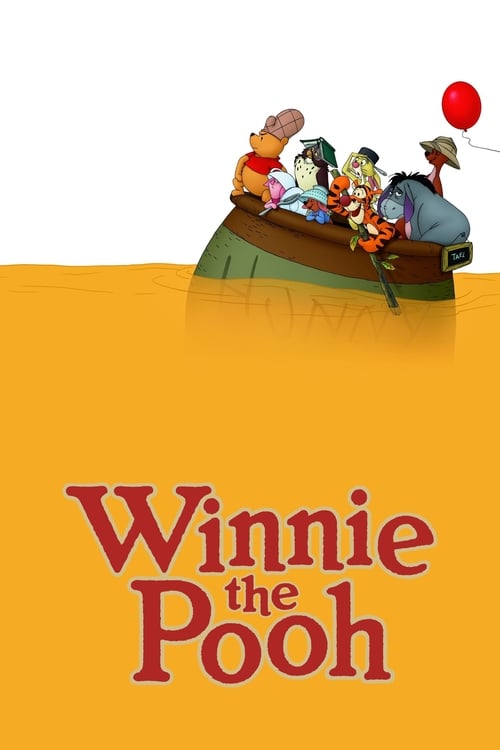
During an ordinary day in Hundred Acre Wood, Winnie the Pooh sets out to find some honey. Misinterpreting a note from Christopher Robin, Owl convinces Pooh, Tigger, Rabbit, Piglet, Kanga, Roo, and Eeyore that their young friend has been captured by a creature named "Backson" and they set out to rescue him.
1997
2002

2014

1977
2006
2005
1967
1993
No reviews yet. Be the first to share your thoughts on this movie!
Use the rating form above to leave a star rating and optional review.