Thesis
1996
No user ratings available yet
Representation score: 7.5 out of 10
Representation Score
Limited
1982
RDirector
Juan Piquer Simón
Runtime
85 minutes
Average Rating
No ratings yetNew Showbiz Analysis
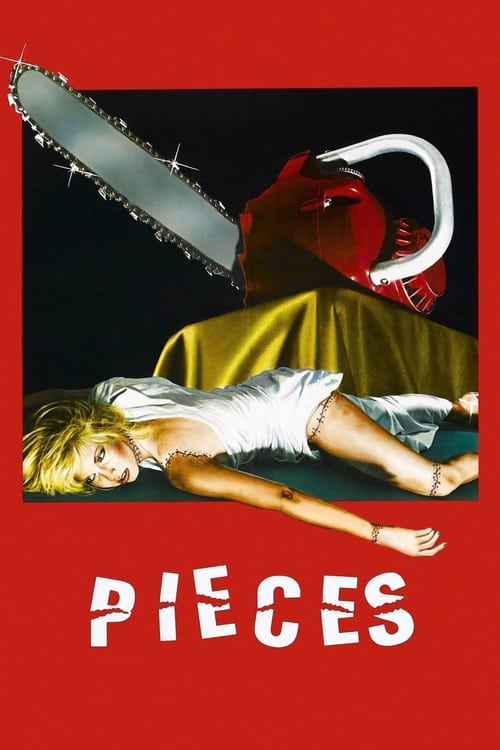
Pieces is a classic 1980s slasher film that emphasizes genre conventions and shock value over social commentary. The film adheres to the established cinematic norms of its era, focusing on a contained mystery rather than challenging systemic power structures. The narrative leans heavily on conventional archetypes, especially concerning gender and race. It maintains a non-progressive stance towards character's ability to drive the story, reflecting the media landscape of the early 1980s without attempting to subvert traditional social hierarchies. Overall, the film's creative direction centers on the mechanics of the thriller genre, offering limited space for multi-layered representation or the inclusion of underrepresented identities.
Category Breakdown
The film does not include any identifiable LGBTQ+ characters or storylines. Relationships and interactions revolve around typical heterosexual dynamics.
The movie employs traditional gender roles, featuring the 'final girl' archetype where female characters play crucial roles in surviving the horror. Male characters are often positioned as investigators or aggressors.
The cast is predominantly white, reflecting a standard demographic for the time period. There is no indication of diverse racial representation.
The film focuses on a straightforward mystery without addressing broader societal or religious issues. It operates within a traditional good-versus-evil framework.
Characters with disabilities are not featured, nor are there any depictions of individuals with disabilities having significant roles or ability to act in the story.
Present on Screen
Limited or Absent
Official Synopsis
A frustrated Boston detective searches for the maniac responsible for mutilating a number of university coeds.
1996
1987
1978
1973
1981

1980
1993
1988
No reviews yet. Be the first to share your thoughts on this movie!
Use the rating form above to leave a star rating and optional review.