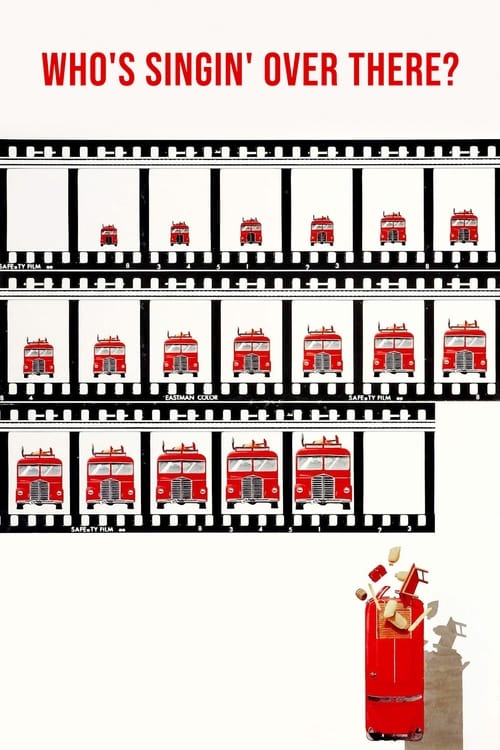
Who's Singin' Over There?
1980
No user ratings available yet
Representation score: 5.8 out of 10

Representation Score
Limited
1958
Director
Velimir Stojanović
Runtime
94 minutes
Average Rating
No ratings yetNew Showbiz Analysis
Four Kilometers per Hour functions as a period-specific social study of 1930s Yugoslavia. It avoids idealized storytelling by focusing on the systemic bleakness of provincial life, offering a critique of historical social structures. However, the film lacks modern markers of diversity. The period setting and focus on traditional social orders result in low representation for LGBTQ+ identities and gender ability to act. While it lacks visible disability representation, the film succeeds as a localized ethnic portrait that challenges Western-centric morality through its specific regional context.
Category Breakdown
The film does not include explicit evidence of LGBTQ+ characters or narratives that challenge the assumption that everyone is straight or cisgender. The 1930s setting emphasizes traditional social structures, suggesting limited representation in this area.
The narrative centers on a small-town environment that typically reinforces patriarchal hierarchies. There is no evidence of women playing significant roles or demonstrating intellectual leadership.
The film portrays a Yugoslavian provincial town with its local ethnic composition. It serves as a localized ethnic portrait rather than a Western-centric narrative.
The film critiques pre-war social institutions and the restrictive nature of small-town life. This bleak atmosphere potentially challenges traditional stability and social norms.
There is no information about the inclusion of characters with physical or neurodivergent disabilities within the film's narrative.
Present on Screen
Limited or Absent
Official Synopsis
A bleak prewar environment of Yugoslavian provincial town during 1930s.
1980

1980
1964
1986

1982

2002
1991

1973
No reviews yet. Be the first to share your thoughts on this movie!
Use the rating form above to leave a star rating and optional review.