
Pravda
1970
No user ratings available yet
Representation score: 6.4 out of 10
Representation Score
Excellent
1977
Director
René Viénet
Runtime
112 minutes
Average Rating
No ratings yetNew Showbiz Analysis
René Viénet’s documentary is a radical exercise in détournement, repurposing existing footage to challenge Western dominance. It excels in racial and cultural representation by reframing East Asian imagery through a post-colonial, anti-imperialist lens, granting characters of color significant political ability to act. However, the film’s focus on collective class struggle comes at the expense of individual identity politics. It lacks meaningful representation for LGBTQ+ individuals and people with disabilities, as the narrative structure prioritizes socioeconomic conflict over specific identity-based arcs. Ultimately, the work is a powerful critique of capitalist structures, though its narrow focus on Marxist ideology limits its breadth regarding diverse personal identities.
Category Breakdown
The film does not include explicit representations of LGBTQ+ identities or intimate relationships between same-sex partners. There is no indication of queer-coded subtext or specific LGBTQ+ character arcs in the dialogue.
The narrative challenges traditional gender hierarchies by shifting focus from hyper-masculine martial arts clichés to collective struggle. It breaks down the traditional hero archetype without emphasizing specific gender-based subversions.
The film uses actors of various ethnicities to portray characters with high ability to act as central figures in a revolutionary movement against imperialist forces. It recontextualizes East Asian martial arts footage within a radical political framework.
The film emphasizes a Marxist perspective, depicting Western capitalist institutions as oppressive systems. It celebrates the dismantling of social hierarchies and portrays revolutionary violence as a means for mass liberation.
There is no significant portrayal of characters with disabilities, either visible or invisible. The narrative focuses solely on socioeconomic class and the conflict between the working class and the ruling class.
Present on Screen
Limited or Absent
Official Synopsis
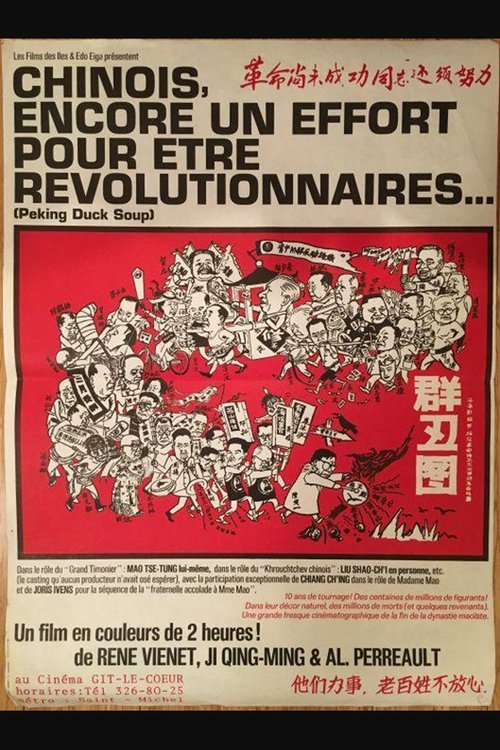
Unlike his earlier films "Can Dialectics Break Bricks?" and "The Girls of Kamare", which "detourned" drama films, in this one, Viénet uses a great variety of sources (particularly archive footage of People's Republic of China leaders) to compose a political documentary sharply critical of Mao's legacy in China. The title is a reference to the pamphlet "Français, encore un effort si vous voulez être républicains" featured in "Philosophy in the Bedroom" of Marquis de Sade.
1970
1967
1971
1975
2003

1992
1968
1977
No reviews yet. Be the first to share your thoughts on this movie!
Use the rating form above to leave a star rating and optional review.