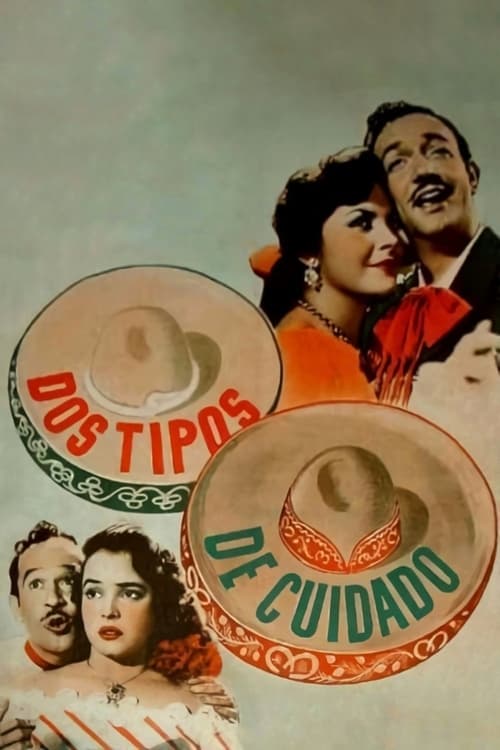
Dos tipos de cuidado
1953
No user ratings available yet
Diversity score: 3.4 out of 10
1948
Director
Ismael Rodríguez
Runtime
120 minutes
Average Rating
No ratings yetSynopsis
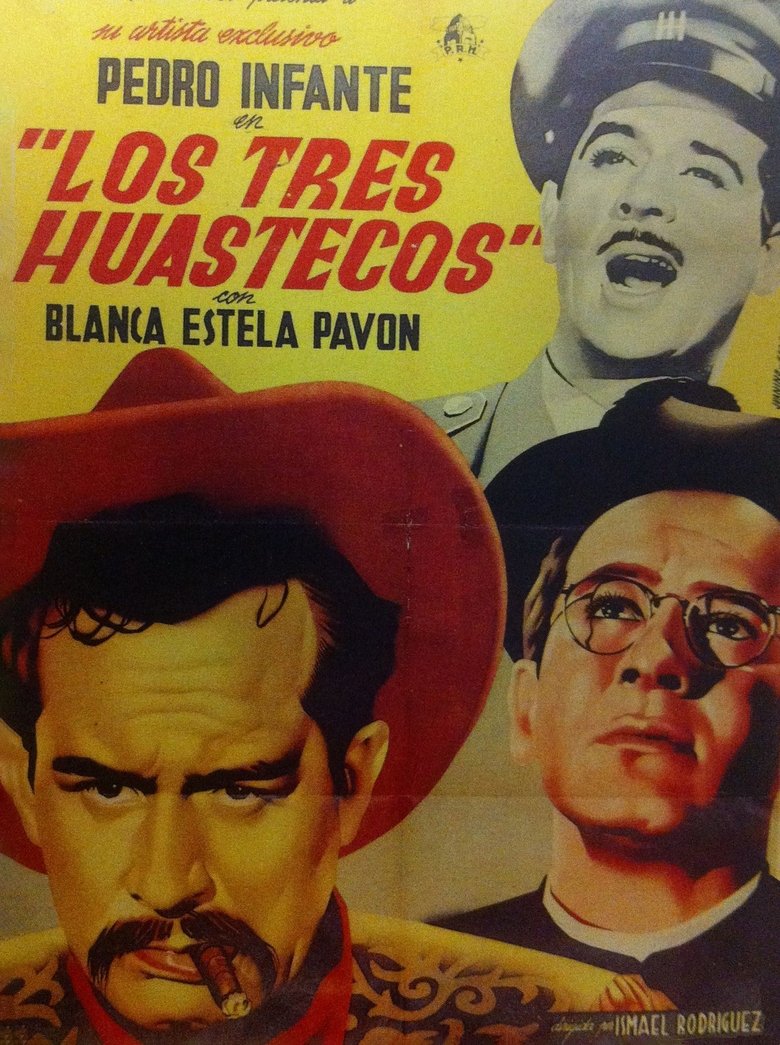
This is the story of three brothers - a priest, a soldier, and an outlaw - that are raised separately by their godfathers once their mother dies. They cross their paths again when the soldier and the priest move into two towns near the town the outlaw lives in. The drama will unfold once the three brothers meet each other.
Overall Score
Limited
Category Breakdown
LGBTQ+ Representation
The film contains no LGBTQ+ characters or non-heteronormative identities. Romantic arcs focus strictly on traditional courtship and heterosexual pairings.
Gender Representation
Narrative agency is concentrated almost exclusively in male characters. Women function primarily as romantic catalysts or domestic figures rather than independent agents.
Racial & Ethnic Diversity
The film validates Mexican regional identity by centering the Huasteca region. However, it works within established social fabrics without disrupting racial hierarchies.
Religious & Cultural Diversity
The story is rooted in traditional Mexican institutional values like religion and the state. It prioritizes traditional family structures and social respectability.
Disability Representation
There is no significant or meaningful depiction of physical or neurodivergent disabilities within the primary narrative arc.
Strengths
Areas for Improvement
AI Analysis
This Golden Age classic functions as a character study of regional archetypes through the lens of triple-casting. It offers a sophisticated comedic exploration of class-based personas and national identity. However, the film remains a product of its era, reinforcing traditional gender hierarchies and machismo. The narrative structure relies heavily on established social orders and conventional moral frameworks. While it celebrates the Huasteca region, it lacks engagement with marginalized identities or the subversion of systemic hierarchies, serving instead as a benchmark for traditional storytelling.
1953

1943
1936
1949
1948
2001

2015
1938
1985
1950

2004

2014
No reviews yet. Be the first to share your thoughts on this movie!
Use the rating form above to leave a star rating and optional review.