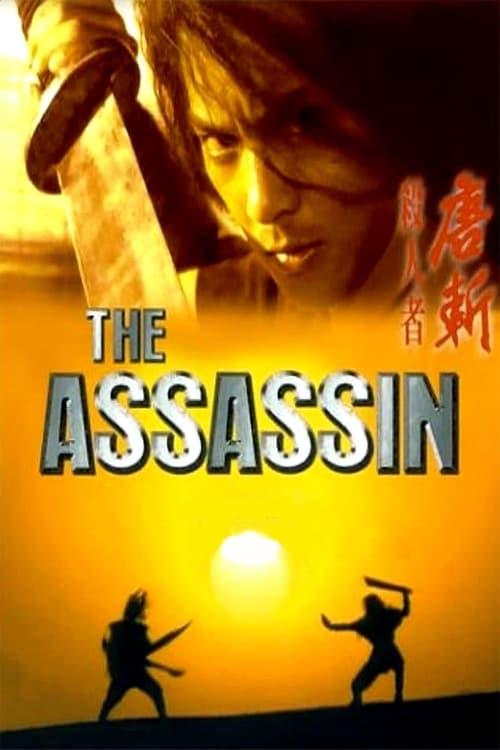
The Assassin
1993
No user ratings available yet
Representation score: 3.5 out of 10
Representation Score
Good
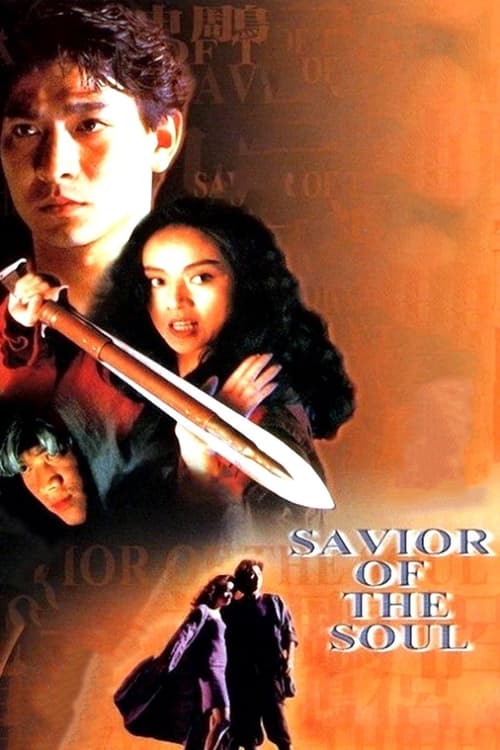
1991
Not RatedDirector
David Lai Tai-Wai, Corey Yuen, Jeffrey Lau Chun-Wai
Runtime
92 minutes
Average Rating
No ratings yetNew Showbiz Analysis
Savior of the Soul disrupts traditional gender hierarchies by placing a powerful woman at the center of the conflict. Her actions challenge the undisputed strength of male masters. The film also centers East Asian philosophies and martial arts traditions, offering essential ethnic representation. However, the narrative remains largely bound by established genre clichés, focusing on vengeance and traditional codes of conduct. While the central disability drives the plot, its role as a tool for character's ability to drive the story versus a mere narrative catalyst is ambiguous.
Category Breakdown
The film focuses on revenge and romance without featuring any LGBTQ+ characters or narratives that question the assumption that everyone is straight or cisgender.
A strong female character holds significant power, challenging traditional gender roles by blinding a martial arts master. This action provides her with a level of control over the story that contrasts with passive female clichés.
As a Hong Kong production, the film centers East Asian cast members and cultural settings. This prioritizes Asian martial arts traditions, disrupting Anglo-centric norms.
The wuxia fantasy framework explores complex themes of honor and survival. However, the film lacks an explicit critique of Western institutions or a promotion of secularism.
The plot is driven by the blinding of a martial arts master. It is unclear if this impairment gives the character real power or simply serves as a plot device.
Present on Screen
Limited or Absent
Official Synopsis
A woman blinds a martial arts master and his pupil vows revenge on her. She is forced to abandon her loved ones without explanation in order to protect them from her ill-intentioned pursuer.
1993

1992

1982
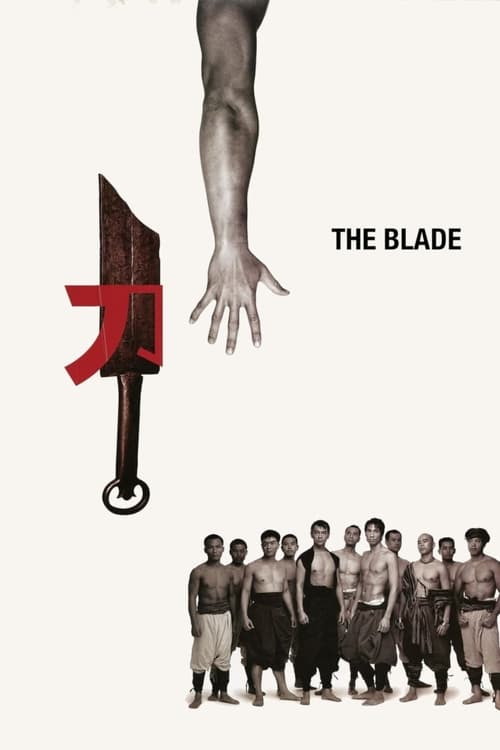
1995
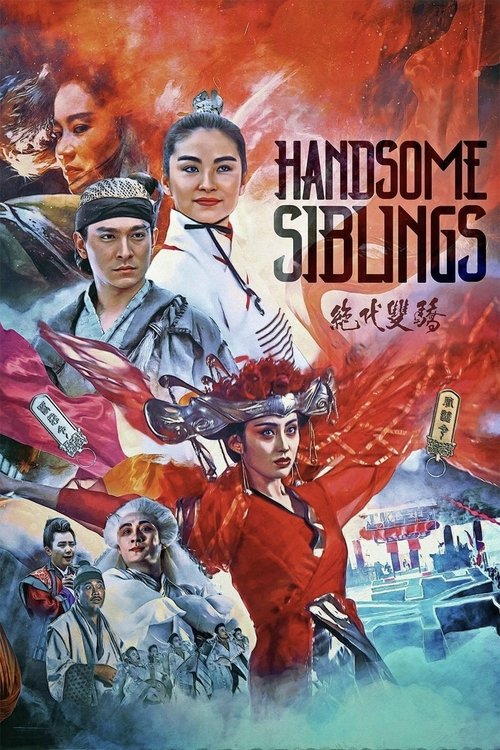
1992
1980
1994
1989
No reviews yet. Be the first to share your thoughts on this movie!
Use the rating form above to leave a star rating and optional review.