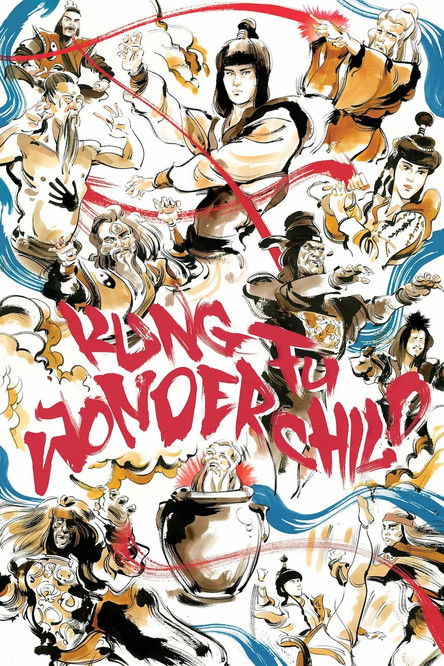
Kung Fu Wonder Child
1986
No user ratings available yet
Representation score: 4.6 out of 10

Representation Score
Fair
1982
Director
Taylor Wong Tai-Loi
Runtime
93 minutes
Average Rating
No ratings yetNew Showbiz Analysis
Buddha's Palm is a traditional wuxia fantasy that prioritizes mythic heroism and established genre conventions. The narrative structure reinforces cultural hierarchies and spiritual orthodoxy rather than challenging them. The film relies heavily on archetypal characters, such as the blind sage and the male disciple, to drive its plot. While these characters play important roles, they serve more as tools for mythic storytelling than as complex, multifaceted figures. Ultimately, the work adheres to the cinematic standards of its era. It focuses on the transmission of legendary techniques and moral dualism rather than social subversion or diverse representation.
Category Breakdown
The film does not include any characters with non-traditional gender identities or same-sex relationships. It follows the traditional structures typical of 1980s martial arts films, which assume everyone is straight or cisgender.
The story revolves around a male-dominated hierarchy between a master and his disciple. It emphasizes a masculine mentorship model rather than challenging traditional gender roles.
The cast is predominantly East Asian, reflecting the film's Hong Kong roots. It uses mythological clichés to express East Asian cultural identity.
The narrative relies on Buddhist symbolism and traditional Eastern spirituality. It presents a dualistic morality of good versus evil rather than a more modern, relativistic perspective.
A blind martial arts master is portrayed, but his blindness is used as a mythological symbol of heightened perception. The film does not explore the lived experience of blindness in depth.
Present on Screen
Limited or Absent
Official Synopsis
An old blind martial master living in a cave teaches a young swordsman the secret of the Buddha's Palm, a legendary martial arts technique, which propels him into a whole new world of evil knights, hidden temples, dragon dogs, and magical objects.
1986

1993
1978

1992
1978

2003
1994
2002
No reviews yet. Be the first to share your thoughts on this movie!
Use the rating form above to leave a star rating and optional review.