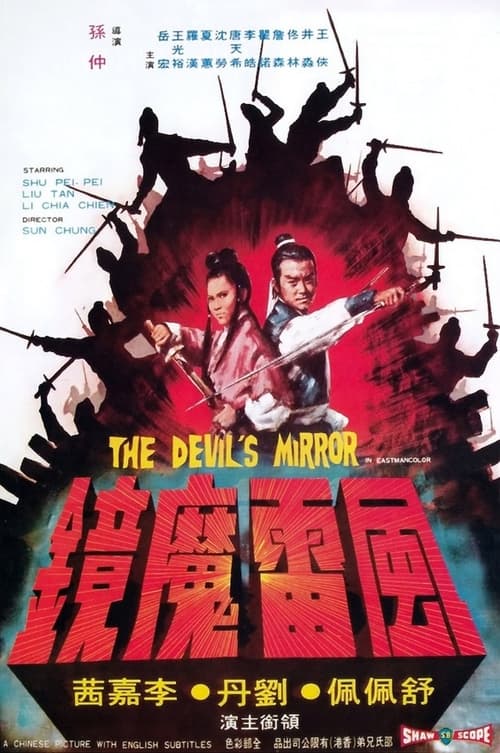
The Devil's Mirror
1972
No user ratings available yet
Representation score: 4.8 out of 10
Representation Score
Limited
1992
Director
Eric Tsang Chi-Wai
Runtime
102 minutes
Average Rating
No ratings yetNew Showbiz Analysis
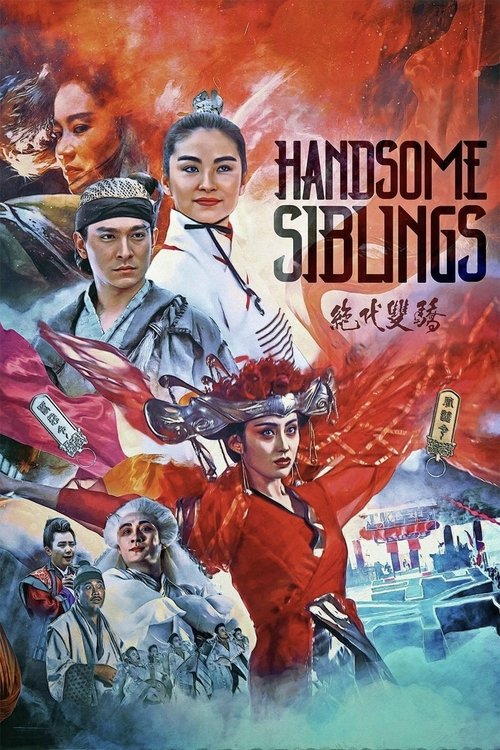
Handsome Siblings is a martial arts fantasy that focuses on systemic injustice and the reclaiming of identity. It centers on characters who have been unjustly labeled as criminals by a corrupt social order, challenging the traditional hero-versus-villain binary. The film excels in its cultural depth, using the discrepancy between law and truth to critique institutional authority. This sophisticated approach to morality provides a strong narrative foundation despite a lack of demographic variety. However, the film lacks representation in several key areas, such as LGBTQ+ identities or disability representation, and the cast remains ethnically homogeneous within its specific genre setting.
Category Breakdown
The film does not include any representation of LGBTQ+ identities. The story revolves around martial arts traditions and brotherhood.
The Master of Eva Palace is a powerful woman who plays a significant role in driving the story. However, her role reinforces existing social hierarchies through her pursuit of justice.
The cast is ethnically uniform, reflecting its Hong Kong origins. It stays within a specific cultural framework without relying on Western-centric clichés.
The narrative examines systemic injustice by depicting heroes framed as villains. It delves into moral relativism through the concept of a sanctuary for redemption.
The film does not depict any physical or neurodivergent disabilities. The focus remains on martial arts combat and historical intrigue.
Present on Screen
Limited or Absent
Official Synopsis
One hundred seventy years ago, a wise monk made a section of land known as the Villians Valley, a sanctuary. Anyone who came to the valley was considered protected and safe from the law. The proclamation also stated that they should have a chance at repentance. The Master of Eva Palace, who is now master of the martial arts world, holds no regard for the ancient laws and enters the valley in search of the 10 Untouchable Villians because she has a warrant of justice to destroy them. The remaining 8 villians were actually the 10 Untouchable Heroes until they were framed by two of their own members, The Twin Villians, and used as scapegoats.
1972

1992
1991
1998
1986
1994
1994

1987
No reviews yet. Be the first to share your thoughts on this movie!
Use the rating form above to leave a star rating and optional review.