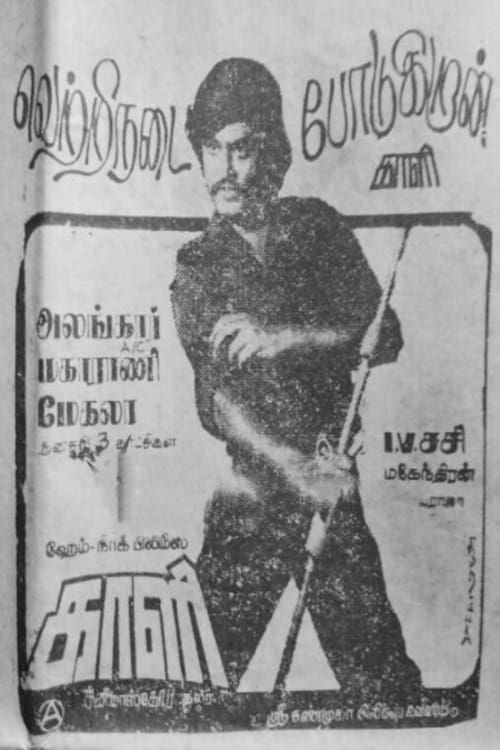
Kaali
1980
No user ratings available yet
Representation score: 3.7 out of 10

Representation Score
Limited
1983
Not RatedDirector
Ramesh Behl
Runtime
0 minutes
Average Rating
No ratings yetNew Showbiz Analysis
Pukar is a typical 1980s action-drama that emphasizes individual heroism over exploring diverse identities. The film's strength lies in its engagement with post-colonial themes and its critique of corrupt institutional power through the lens of the Goa liberation movement. However, the film remains anchored in the social hierarchies of its time. It relies on traditional gender roles and a straight-centered structure, offering limited roles for female characters beyond romantic support. Ultimately, the narrative focuses on a single man's struggle against a broken system rather than deconstructing identity-based hierarchies or providing diverse representation.
Category Breakdown
The film adheres to a traditional framework that assumes everyone is straight and cisgender. It does not include any LGBTQ+ characters or non-cisgender identities, focusing instead on a central romantic relationship.
The story centers around the 'angry young man' archetype, emphasizing male physical strength and ability to act. While Dimple Kapadia plays a significant role, her character remains primarily supportive and romantic.
Set during the Goa liberation movement, the film explores post-colonial themes. Although the cast is ethnically uniform, the fight for national independence drives the narrative.
The storyline critiques systemic corruption and the failure of official institutions. It portrays the protagonist's transformation into an outlaw as a reaction to an oppressive system.
There are no visible depictions of physical, sensory, or neurodivergent disabilities. Characters are defined by their physical abilities or socioeconomic status.
Present on Screen
Limited or Absent
Official Synopsis
Set during the Goa liberation movement against Portuguese rule. It follows Ramdas, who grows up to be a criminal named "Ronnie" after witnessing his freedom-fighter father's death, mistakenly believing his colleague murdered him. Ronnie later confronts the truth while opposing the freedom movement.
1980
1966
1985

2013

2000
1988
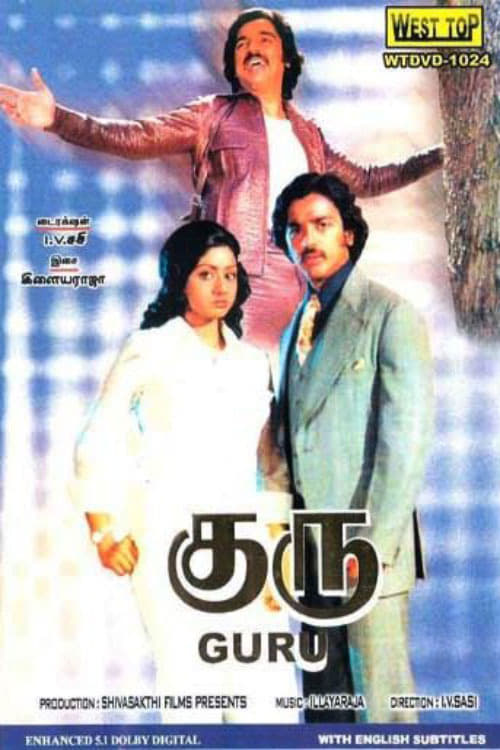
1980

1989
No reviews yet. Be the first to share your thoughts on this movie!
Use the rating form above to leave a star rating and optional review.