Whistle and I'll Come to You
1968
No user ratings available yet
Diversity score: 2.5 out of 10
1975
UnratedDirector
Dave Flocker
Runtime
88 minutes
Average Rating
No ratings yetSynopsis
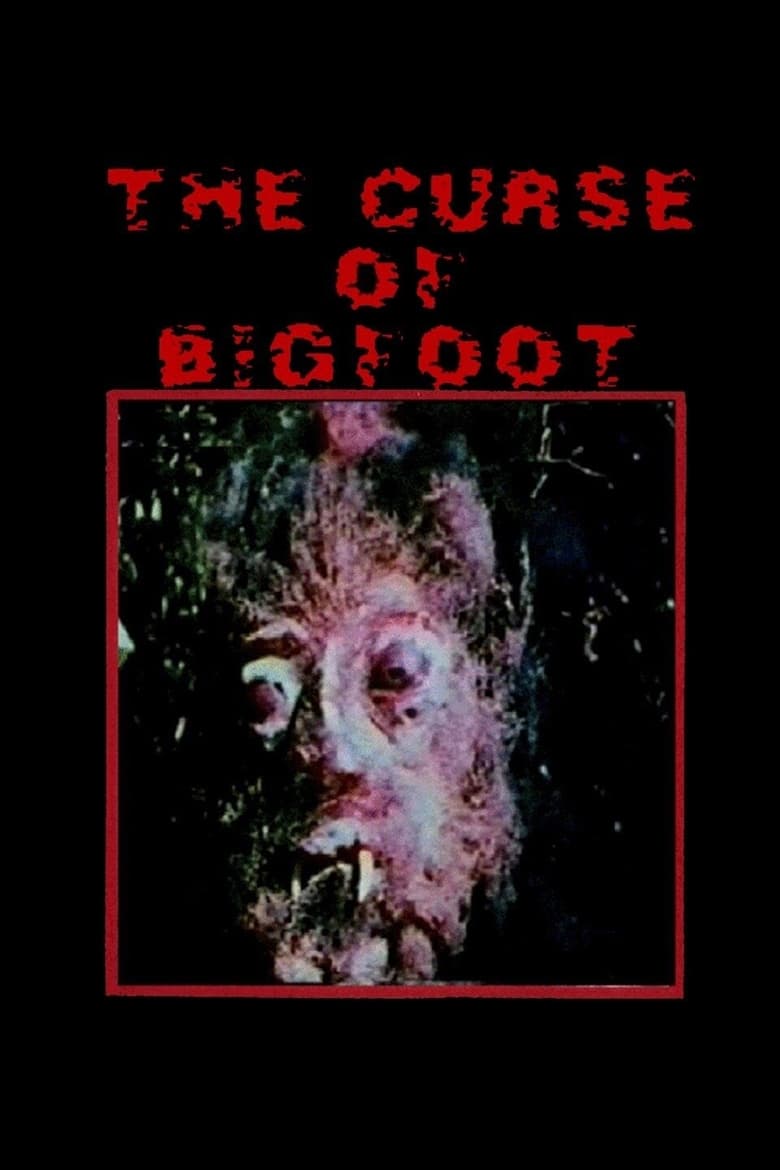
A group of high school students on an archaeological dig discover a centuries old mummified body in a sealed cave. Removing the mummy, it soon comes back to life, revealing itself to be an inhuman beast that terrorizes a small California town.
Overall Score
Limited
Category Breakdown
LGBTQ+ Representation
The film lacks LGBTQ+ characters or narratives. It adheres to the social constraints of its era, offering no visible queer coding or non-cisnormative identities.
Gender Representation
Characters function within standard survival horror archetypes. There is no evidence of women exercising agency that disrupts traditional gender hierarchies or intelligence-based subversions.
Racial & Ethnic Diversity
The setting and cast reflect the homogeneous demographic norms typical of 1970s regional horror. There is no evidence of non-white or non-Anglo-Saxon majority casting.
Religious & Cultural Diversity
The narrative centers on an external cryptid threat rather than social critique. It reinforces traditional notions of community stability instead of engaging with secularist or anti-Western themes.
Disability Representation
There is no verifiable evidence regarding the inclusion of characters with visible or invisible disabilities. Characters are defined by survival roles rather than neurodivergence or physical disability.
Strengths
Areas for Improvement
AI Analysis
Curse of Bigfoot is a product of 1970s creature-feature tropes, prioritizing genre conventions over social representation. The film functions as a traditional survival narrative where the primary conflict is between a community and an inhuman beast. The production lacks intentionality regarding intersectional identities. The cast and narrative structure reflect the homogeneous demographic norms and standard social constraints of mid-70s television filmmaking. Ultimately, the film reinforces traditional hierarchies and community stability. It avoids deconstructing social or cultural norms, focusing instead on the external threat of the mummified monster.
1968
2001
2013
1970
1963
No reviews yet. Be the first to share your thoughts on this movie!
Use the rating form above to leave a star rating and optional review.