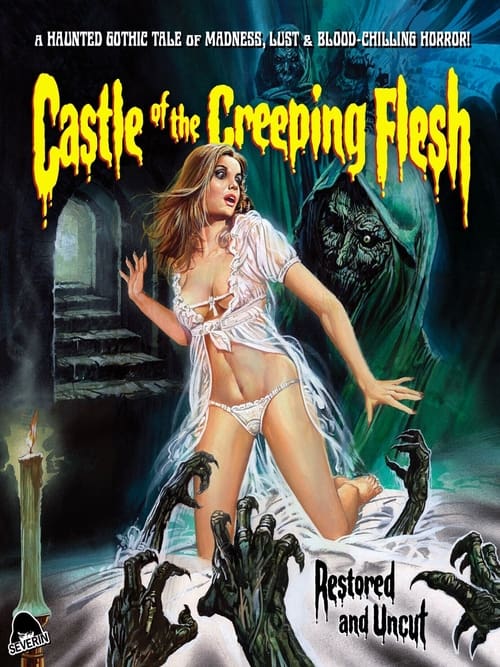
Castle of the Creeping Flesh
1968
No user ratings available yet
Diversity score: 2.4 out of 10
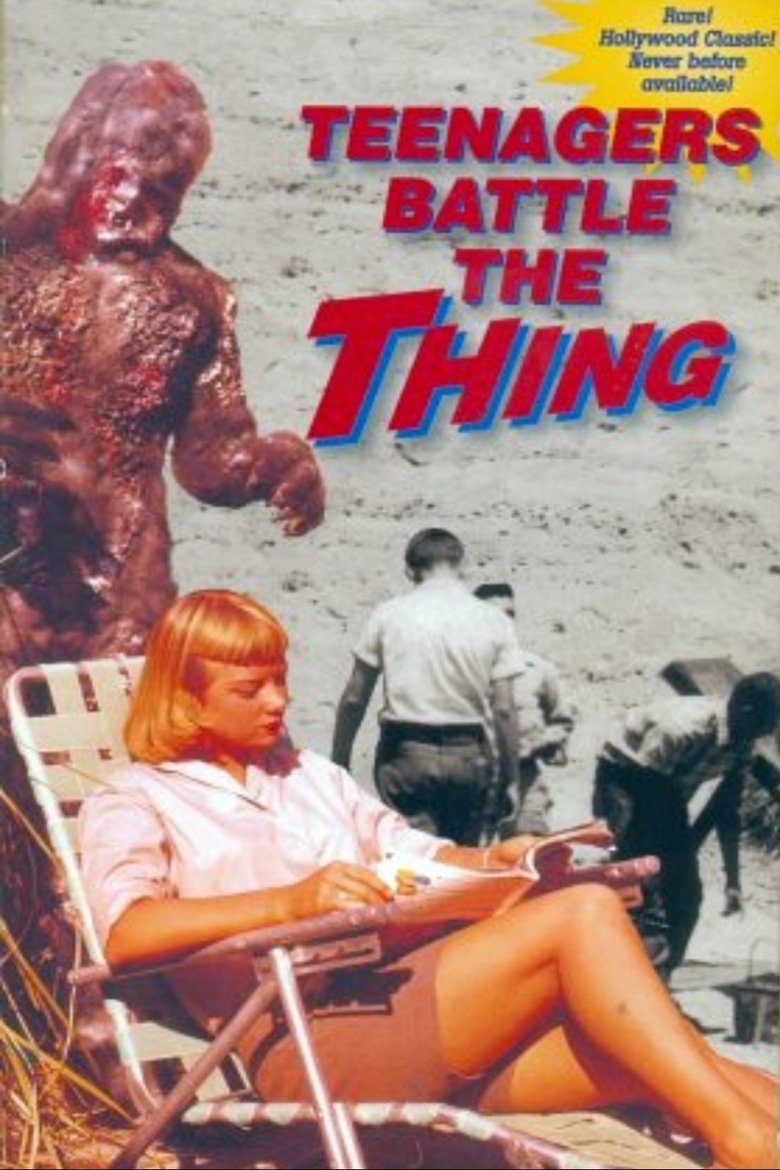
1963
Director
Dave Flocker
Runtime
59 minutes
Average Rating
No ratings yetSynopsis
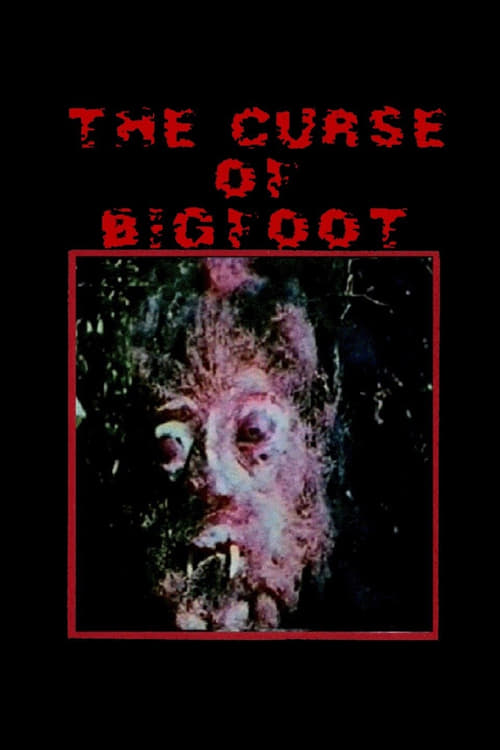
Archaeology students uncover a prehistoric manster… part man, part monster, and all bad attitude with a cheap costume. This film was completed in 1960 but the only theatrical release it received was in the director's hometown. The movie remained unreleased until 1975 when the director used the footage in Curse of Bigfoot.
Overall Score
Limited
Category Breakdown
LGBTQ+ Representation
The film lacks any evidence of LGBTQ+ characters or narratives. It appears to adhere to the era's standard cinematic constraints regarding non-cisnormative identities.
Gender Representation
The narrative likely reinforces conventional 1950s gender roles. There is no indication of women demonstrating agency or subverting traditional hierarchies.
Racial & Ethnic Diversity
The story centers on a traditional Western scientific framework involving archaeology students. There is no evidence of a non-white majority cast.
Religious & Cultural Diversity
The film functions within a traditional mid-century framework. It follows standard 'man vs. nature' tropes rather than challenging Western institutions or values.
Disability Representation
Physical deformity is likely used as a source of fear or spectacle via the monster. There is no nuanced portrayal of neurodivergence or disability.
Strengths
Areas for Improvement
AI Analysis
Teenagers Battle the Thing is a product of its time, functioning as a standard creature-feature that prioritizes exploitation tropes over social depth. The film relies on mid-century genre conventions that favor homogeneous casting and traditionalist values. Because the production focuses on a prehistoric monster and archaeology students, the narrative remains rooted in a Western-centric worldview. It lacks the intersectional complexity or intentional subversion required to engage with diverse identities or systemic critiques. Ultimately, the film serves as a snapshot of 1950s horror, where physical difference is used for spectacle and social hierarchies remain unchallenged.
1968
1975
1980
1965
2004

2011

1973
1983

1966
2003

2013
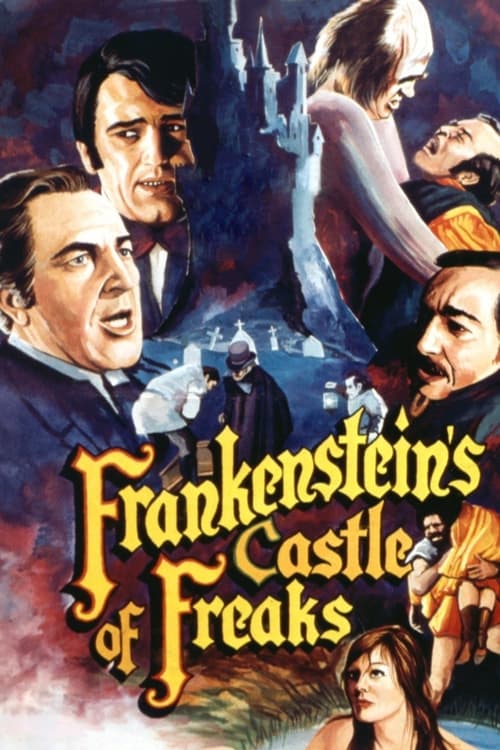
1974
No reviews yet. Be the first to share your thoughts on this movie!
Use the rating form above to leave a star rating and optional review.