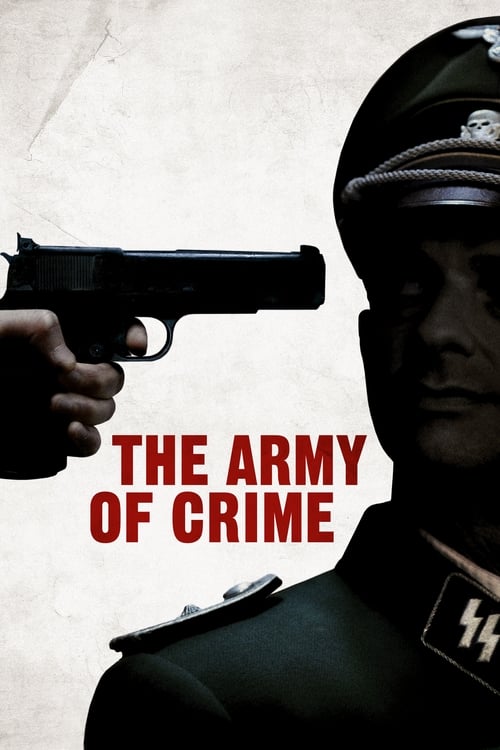
Army of Crime
2009
No user ratings available yet
Representation score: 6.0 out of 10
Representation Score
Fair
2012
Not RatedDirector
Volker Schlöndorff
Runtime
90 minutes
Average Rating
No ratings yetNew Showbiz Analysis
Calm at Sea is a historical drama that prioritizes political and moral interrogation over demographic variety. It functions as a study of individual moral decision-making under the duress of systemic violence during the German occupation of France. The film's progressive value lies in its narrative deconstruction of state authority. Rather than focusing on a diverse cast, it examines the corruption of institutional power and the heavy cost of political conviction. While the setting limits racial and LGBTQ+ representation, the film succeeds in its critique of established power structures and the struggle of the individual conscience.
Category Breakdown
The film does not include any explicit references to LGBTQ+ characters or non-straight relationships. The story focuses on the political and existential struggles of the French Resistance.
The story centers around a male-dominated conflict involving the military and the Resistance. However, it challenges traditional hierarchies by highlighting the psychological burden and moral struggle of the administrator.
Set in 1941 occupied France, the film operates within the historical constraints of a predominantly white European setting. The conflict is defined by political and national identity rather than ethnic diversity.
The film offers a strong critique of traditional Western institutions and state-mandated order. It prioritizes individual moral decision-making against the oppressive, systemic machine of the German military.
There is no evidence regarding the portrayal of physical or neurodivergent disabilities within the narrative.
Present on Screen
Limited or Absent
Official Synopsis
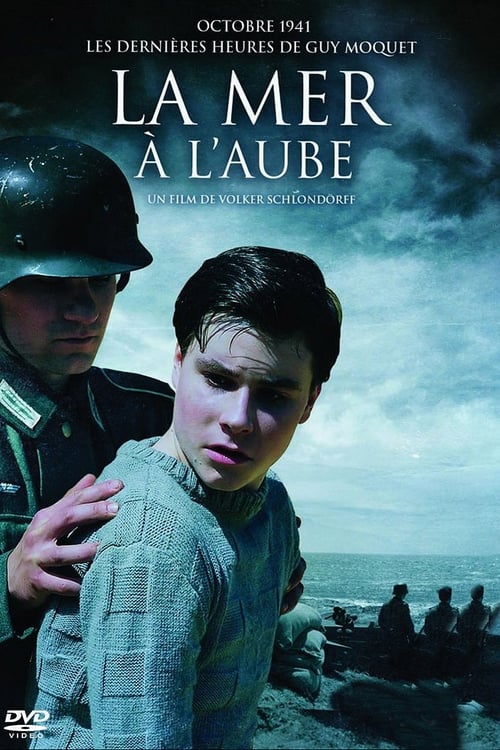
October 1941. Eighteen months into France’s occupation by German troops, young Communist members of the Resistance shoot dead an officer of the German Army. In retaliation, Hitler demands the deaths of 150 Frenchmen, as 'retribution'. The targets are to be mostly young men believed to share the assassins’ political convictions. Most of these men are taken from an internment camp for opponents of the occupation; a 35-year-old French rural administrator is ordered to select the victims. Although the parish priest appeals to their conscience and moral sensibilities, both the German military and their French helpers slavishly follow their orders.
2009
1966

2015

2020
1965

1943

2021

1959
No reviews yet. Be the first to share your thoughts on this movie!
Use the rating form above to leave a star rating and optional review.