
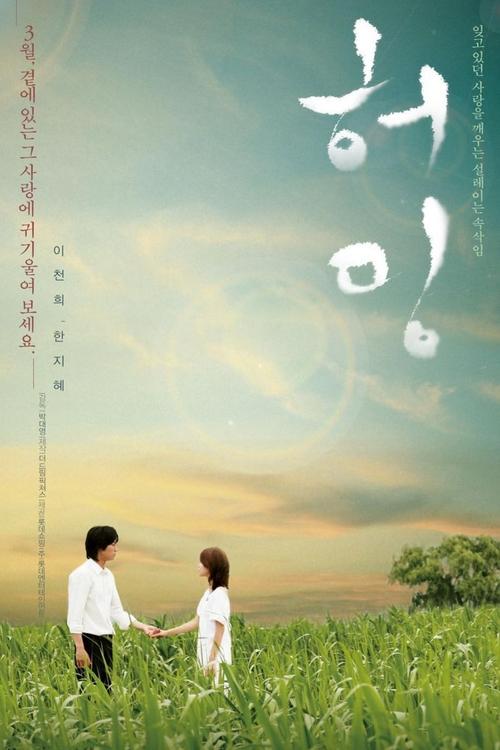
Once We Were Us
2025
No user ratings available yet
Representation score: 5.3 out of 10

Representation Score
Limited
2006
Director
Kang Ji-eun
Runtime
117 minutes
Average Rating
No ratings yetNew Showbiz Analysis
Love Phobia follows the established patterns of mid-2000s South Korean romance-dramas. The film prioritizes emotional sentimentality and childhood connections over questioning social hierarchies or diverse identities. The narrative structure is conventional, focusing on a male protagonist's pursuit of a female lead. This reliance on standard genre formulas limits the film's engagement with progressive social themes. While the film operates within its cultural context, it lacks the elements necessary to challenge traditional norms or present diverse identity perspectives.
Category Breakdown
The story focuses on a typical romantic relationship between Jo-kang and Ari. It does not include LGBTQ+ identities or narratives that question the assumption that everyone is straight.
The plot follows a traditional romantic pursuit. Although Ari is described as quirky, the narrative adheres to standard romantic dynamics without challenging traditional gender roles.
As a South Korean production, the film features a predominantly East Asian cast. There is no indication of diverse racial identities within the main pairing.
The film emphasizes personal emotions and sentimentalism. It does not explore themes related to anti-capitalism, anti-Western sentiments, or secularism.
The narrative does not mention characters with visible or invisible disabilities. There is no information about neurodivergence or physical disabilities among the characters.
Present on Screen
Limited or Absent
Official Synopsis
On a sunny day, a boy named Jo-kang meets Ari, a girl in a yellow raincoat, and they become friends. Jo-kang falls helplessly in love with the quirky but attractive Ari, but one day, she suddenly disappears.
2025

2018
2008

2021

2009

2001

2015

2006
No reviews yet. Be the first to share your thoughts on this movie!
Use the rating form above to leave a star rating and optional review.