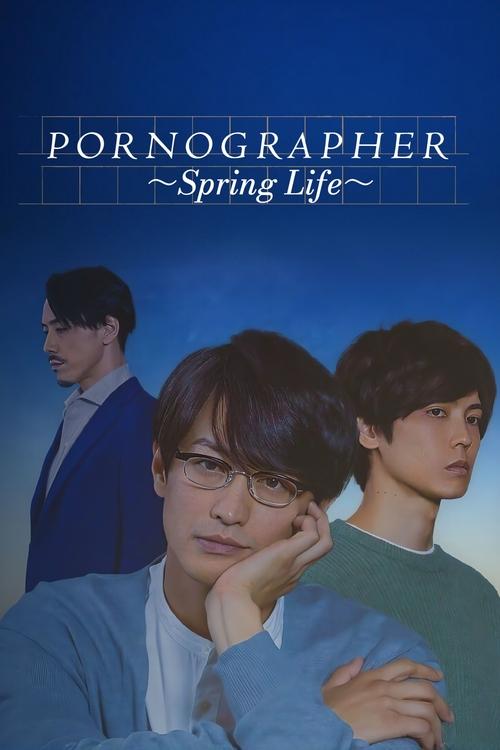
Pornographer - Spring Life
2021
No user ratings available yet
Representation score: 5.8 out of 10

Representation Score
Fair
2021
Director
Nobuhiro Doi
Runtime
124 minutes
Average Rating
No ratings yetNew Showbiz Analysis
The film stands out by challenging traditional romantic narratives through a sophisticated, non-straight perspective. By moving past the 'coming out' narrative, it focuses on the genuine complexities of a sustained queer relationship. It further distinguishes itself by deconstructing traditional masculine archetypes, presenting a fluid and egalitarian connection between characters. However, the narrative remains confined to a specific Japanese demographic, lacking broader ethnic diversity.
Category Breakdown
The film centers around a same-sex relationship, avoiding typical stereotypes and focusing on the lived experience and emotional nuances of the partnership.
The film deconstructs traditional masculine hierarchies by emphasizing emotional vulnerability and presenting a fluid, egalitarian relationship between the characters.
The cast and setting reflect a largely homogeneous Japanese demographic. While the film maintains cultural authenticity to its specific urban locale, it lacks broader ethnic diversity.
The story explores the tension between individual passion and the pressures of modern capitalism, showing how professional stability often requires sacrificing personal spontaneity.
There are no prominent depictions of visible or invisible disabilities that serve as central plot drivers or character arcs.
Present on Screen
Limited or Absent
Official Synopsis
Two people meet each other after missing the last train home, leading to a beautiful relationship over five years.
2021

2016

2019

1998

2020
2024
2018

2010
No reviews yet. Be the first to share your thoughts on this movie!
Use the rating form above to leave a star rating and optional review.