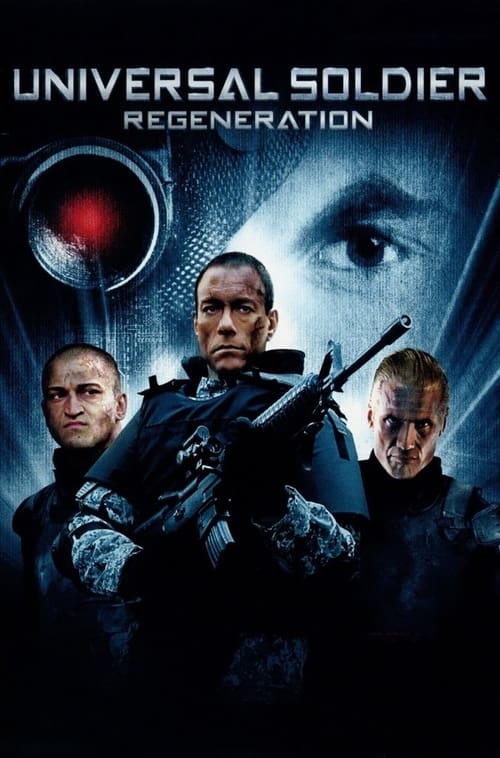
Universal Soldier: Regeneration
2010
No user ratings available yet
Representation score: 2.6 out of 10
Representation Score
Limited
1992
RDirector
Roland Emmerich
Runtime
103 minutes
Average Rating
No ratings yetNew Showbiz Analysis
Universal Soldier is a classic 1990s action thriller that prioritizes high-concept spectacle over diverse representation. The narrative centers on a traditional hero's journey, focusing on individual identity and the ethics of biotechnology rather than social diversity. While the film offers a critique of institutional authority and corrupt government power, it remains limited by the era's demographic homogeneity. Character dynamics rely heavily on established gender archetypes and lack racial or LGBTQ+ representation. Ultimately, the film's strength lies in its anti-authoritarian themes, but it falls short in engaging with a broad range of cultural and social identities.
Category Breakdown
The film does not include any LGBTQ+ characters or non-cisgender identities. It focuses on heterosexual relationships, particularly the romance between the protagonist and the female lead.
Gender roles follow typical 1990s action movie archetypes, emphasizing masculine physical dominance. The female lead provides intellectual insight but mainly serves as an emotional support for the protagonist.
The casting is predominantly white, reflecting the industry standards of the early 1990s. The narrative lacks characters of color with significant roles, focusing instead on a homogeneous group of military personnel.
The story critiques the military-industrial complex and corrupt state institutions. It portrays the struggle as an individual fight for autonomy against dehumanizing, state-funded scientific authority.
Themes of bodily autonomy and dehumanization are central to the biological engineering plot. However, the soldiers are portrayed as high-tech tools rather than individuals experiencing disability.
Present on Screen
Limited or Absent
Official Synopsis
An American soldier who had been killed during the Vietnam War is revived 25 years later by the military as a semi-android, UniSols, a high-tech soldier of the future. After the failure of the initiative to erase all the soldier's memories, he begins to experience flashbacks that are forcing him to recall his past.
2010
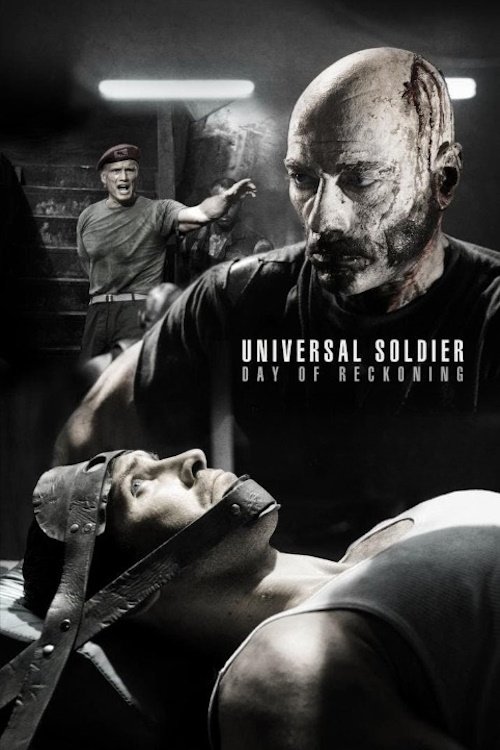
2012
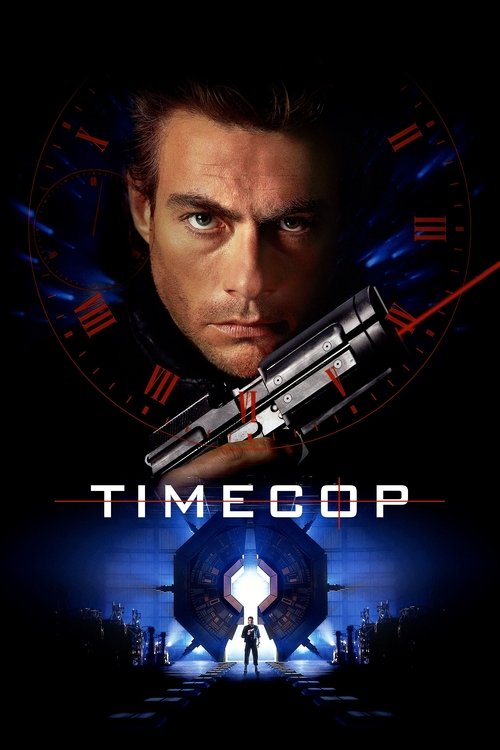
1994

2004
1992
1999
2020
1974
No reviews yet. Be the first to share your thoughts on this movie!
Use the rating form above to leave a star rating and optional review.