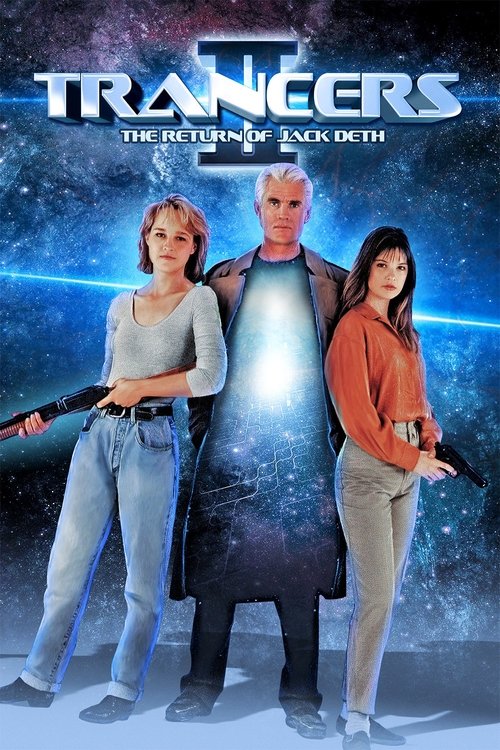
Trancers II
1991
No user ratings available yet
Representation score: 0.9 out of 10
Representation Score
Minimal
1988
Not RatedDirector
Charles Band
Runtime
24 minutes
Average Rating
No ratings yetNew Showbiz Analysis
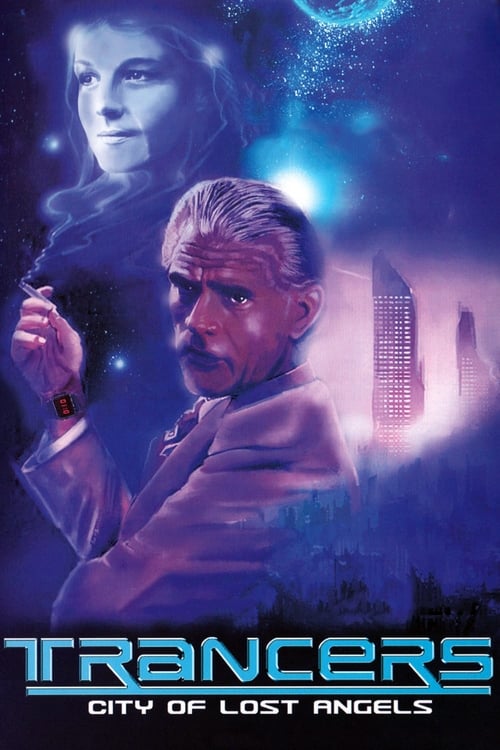
Trancers: City of Lost Angels is a product of 1980s genre filmmaking that prioritizes high-concept sci-fi action over social commentary. The narrative structure relies heavily on established archetypes, centering the conflict on a masculine hero and a standard romantic subplot. The film reinforces conventional social hierarchies rather than challenging them. By focusing on a law enforcement protagonist and a traditional hero-versus-villain trajectory, it maintains a status quo typical of the sci-fi noir genre of its era. Ultimately, the work lacks depth in representing diverse identities. It functions as a straightforward action thriller that avoids exploring diverse identities or systemic critiques, resulting in a narrow demographic focus.
Category Breakdown
The film focuses on a heterosexual romance between Jack Deth and Lena. There are no representations of LGBTQ+ identities or non-cisgender narratives.
The story follows masculine action clichés. While the female antagonist Edlin Shock is portrayed as lethal and powerful, the narrative is centered around the male protagonist.
Set in a gritty Los Angeles, the film features a noir urban backdrop. However, it lacks actively leading characters of color and intentional racial diversity.
The film adheres to a traditional Western action framework. It reinforces authority through a law enforcement protagonist without critiquing social or religious institutions.
There are no characters with physical or invisible disabilities. The narrative does not explore neurodivergence or disability through a lens of ability to act.
Present on Screen
Limited or Absent
Official Synopsis
Jack Deth, the super cop from the future, has put away three centuries worth of time traveling criminals. But Deth's most dangerous collar, the ultraviolent assassin Edlin Shock, has escaped from her maximum security holding cell and won't rest until she's exacted revenge. Meanwhile, Deth is trying to make a life for himself as a private eye in 1988 Los Angeles with his hot-blooded girlfriend Lena. Relationship troubles are just the beginning of Deth's problems when he learns that Edlin Shock has followed him back in time.
1991
1994
1984

1995
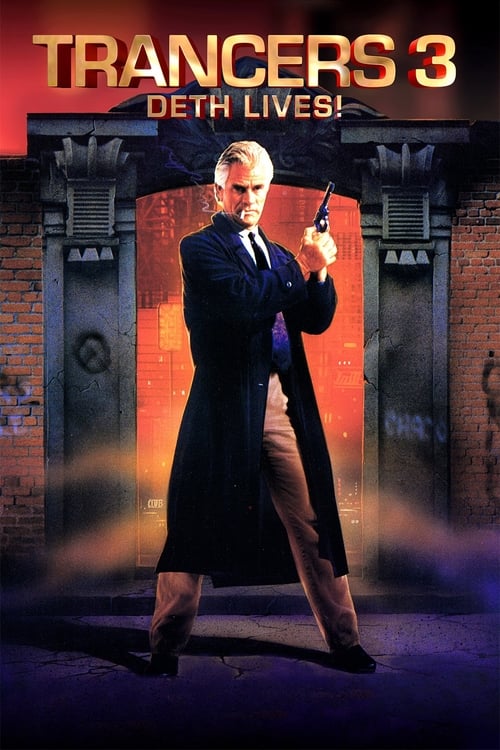
1992

1993

1990
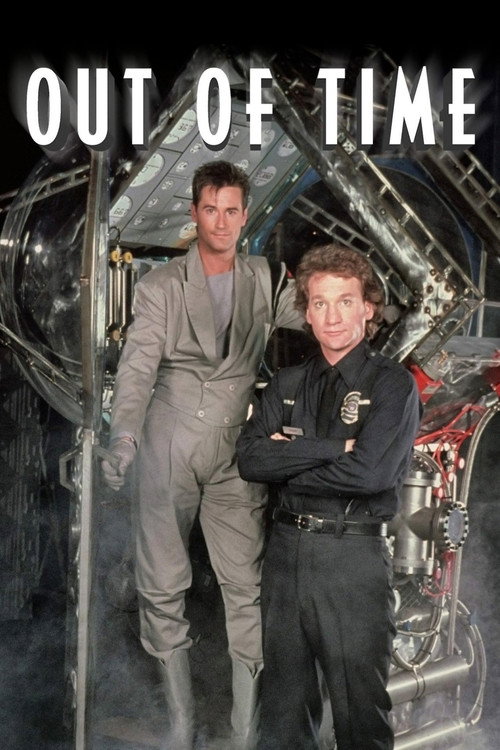
1988
No reviews yet. Be the first to share your thoughts on this movie!
Use the rating form above to leave a star rating and optional review.