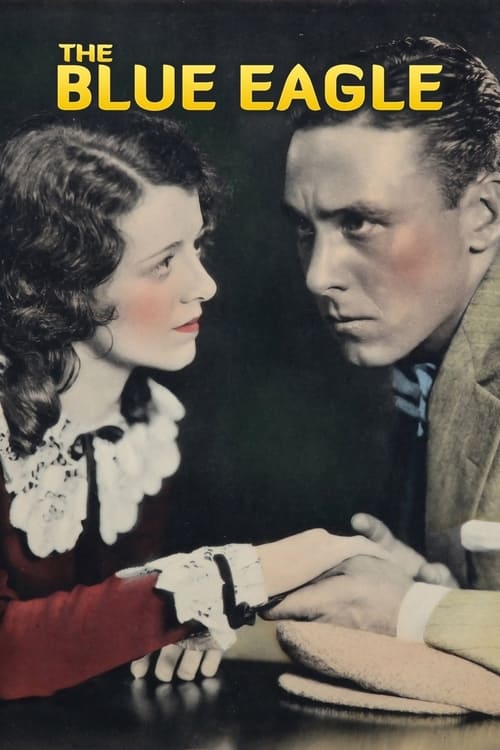
The Blue Eagle
1926
No user ratings available yet
Diversity score: 1.3 out of 10

1938
NRDirector
Richard Thorpe
Runtime
90 minutes
Average Rating
No ratings yetSynopsis
A young boxer gets caught between a no-good father and a crime boss when he starts dating the boss's daughter, although she doesn't know what daddy does for a living.
Overall Score
Minimal
Category Breakdown
LGBTQ+ Representation
The film adheres to 1930s studio constraints, offering no non-cisnormative identities or same-sex intimacy. It operates within a strictly heteronormative framework.
Gender Representation
Narrative agency is concentrated in the male protagonist, Robert Taylor. Female characters serve primarily as romantic catalysts or emotional anchors rather than independent drivers of the plot.
Racial & Ethnic Diversity
The production features a homogeneous cast typical of the era. There is no indication of significant racial blending or characters of color with high agency.
Religious & Cultural Diversity
The story aligns with mid-century Western moral structures and does not challenge traditional institutions. It follows a conventional moral trajectory centered on crime and ambition.
Disability Representation
There is no evidence of characters with visible or invisible disabilities. The narrative focuses exclusively on the physical prowess required for the sporting life.
Strengths
Areas for Improvement
AI Analysis
The Crowd Roars is a quintessential product of the Golden Age of Hollywood, reinforcing the social hierarchies of its time. The film relies on centralized male agency and traditional storytelling tropes that prioritize a singular protagonist's professional and romantic struggles. Because the narrative functions within the standard studio-era moral and demographic structures, it lacks intersectional complexity. The film serves as a baseline for the period's conventional approach to character and conflict, offering little disruption to the established status quo.
1926

1949
1929

1931
1942
1949
2000

2008
No reviews yet. Be the first to share your thoughts on this movie!
Use the rating form above to leave a star rating and optional review.