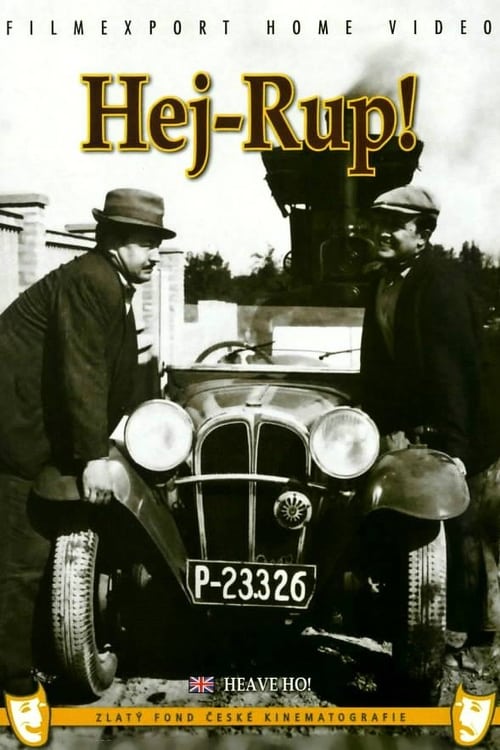
Heave-Ho!
1934
No user ratings available yet
Diversity score: 3.9 out of 10

1983
Director
Antonio Ozores
Runtime
85 minutes
Average Rating
No ratings yetSynopsis
Parody of a real event, the expropriation of RUMASA holding, owned by businessman Jose Maria Ruiz Mateos by the government led by Felipe González. The film chronicles the adventures of three friends José María (Antonio Ozores), Ruiz (Juanito Navarro) and Mateo (Raul Sender), dividing the shareholders of a company in serious economic crisis. Faced with adversity, go to the National Government requesting the expropriation of the company, so you do not have to worry about the salaries of the workers, or their own.
Overall Score
Limited
Category Breakdown
LGBTQ+ Representation
The film contains no evidence of LGBTQ+ characters or non-cisnormative identities. The narrative focus remains strictly on the socio-political dynamics of business and state relations.
Gender Representation
The story centers on a male-dominated triad of protagonists. There is a notable lack of female agency or presence within the central plot, reflecting conventional gender distributions of the era.
Racial & Ethnic Diversity
As a localized Spanish political parody, the film reflects a homogeneous demographic. It offers little evidence of intersectional racial or ethnic complexity within its specific domestic setting.
Religious & Cultural Diversity
The film provides a sharp satirical treatment of Western institutional stability. It engages with anti-capitalist themes by depicting characters who attempt to shift private economic burdens onto the state.
Disability Representation
There is no evidence of characters with visible or invisible disabilities. The narrative does not address disability representation.
Strengths
Areas for Improvement
AI Analysis
Los caraduros functions primarily as a political satire rather than a vehicle for demographic intersectionality. It uses farce to lampoon Spanish social structures and the RUMASA expropriation, prioritizing systemic critique over diverse character representation. The film's strength lies in its cultural commentary. By subverting the 'heroic entrepreneur' trope, it presents a cynical view of business leadership and state interaction, challenging traditional capitalist meritocracy. However, the work is limited by a lack of representation across most identity categories. The focus on a homogeneous, male-centric cast means it lacks the breadth found in more intersectional modern cinema.
1934

1981

2019
1983
1977
1957

2003

1980
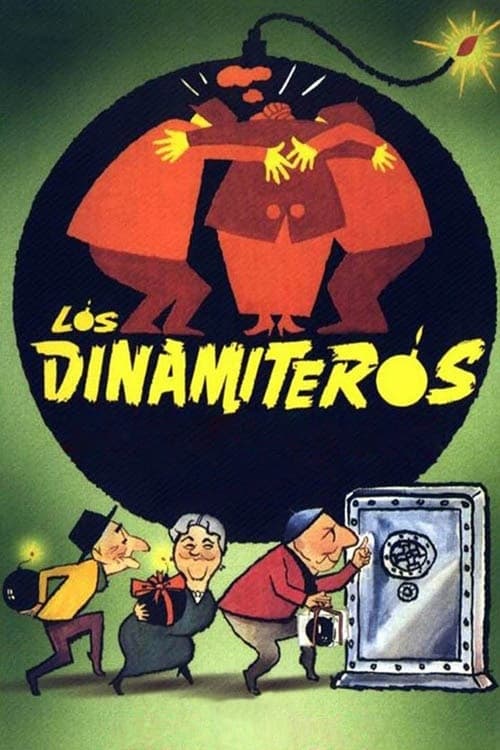
1964
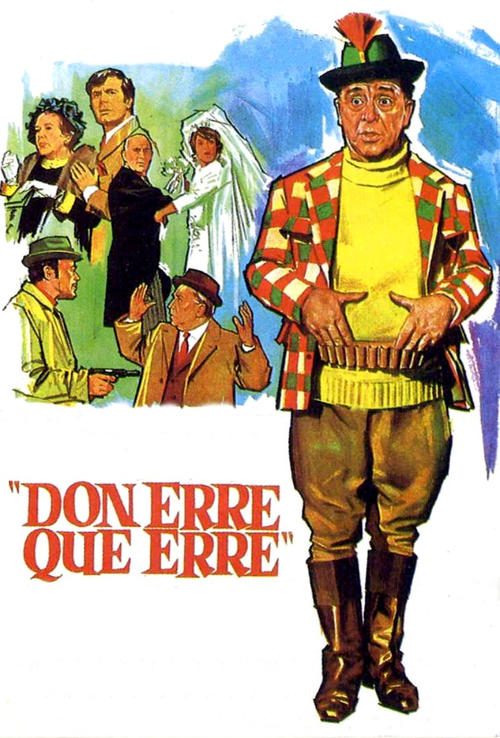
1970
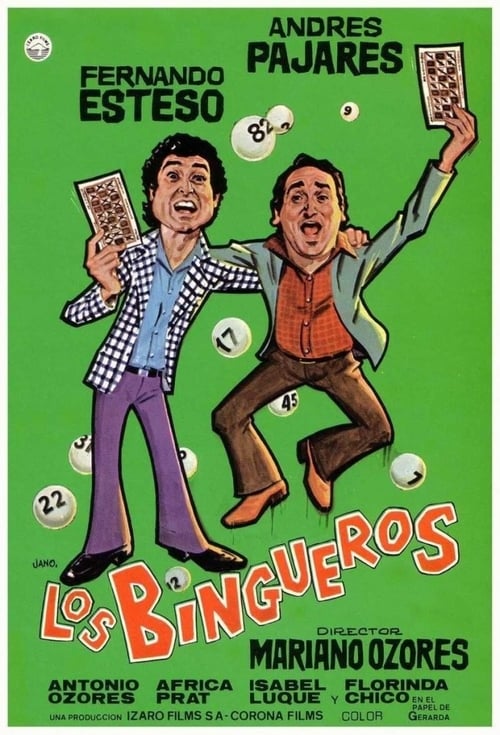
1979

1973
No reviews yet. Be the first to share your thoughts on this movie!
Use the rating form above to leave a star rating and optional review.