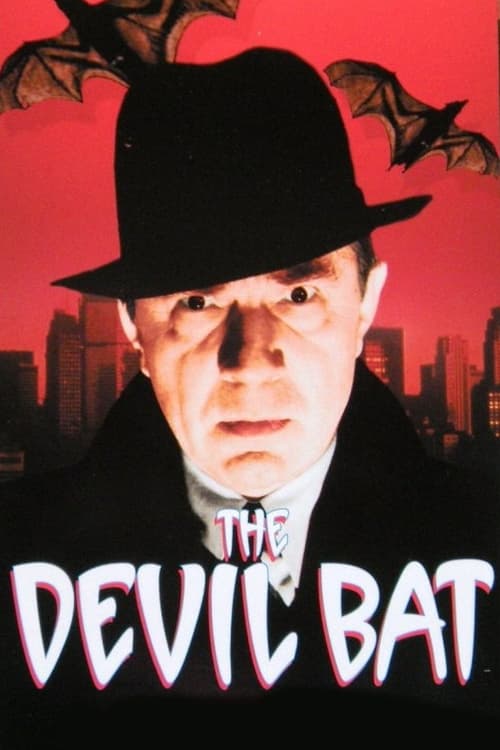
The Devil Bat
1940
No user ratings available yet
Diversity score: 1.8 out of 10
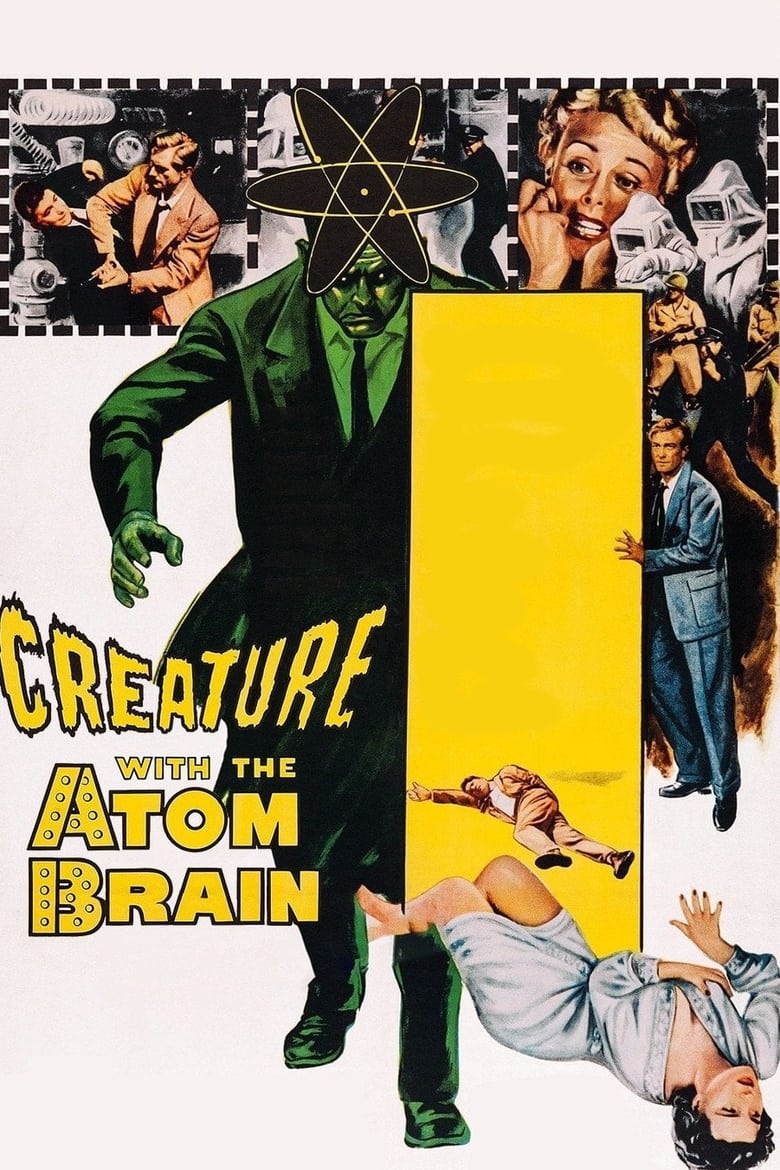
1955
NRDirector
Edward L. Cahn
Runtime
69 minutes
Average Rating
No ratings yetSynopsis
Murders, with victims dying from spines broken by brute strength, erupt in the city and the killers, when encountered, walk away unharmed by police bullets which strike them. A police doctor's investigation of the deaths leads to the discovery of an army of dead criminal musclemen restored to life, remotely controlled by a vengeful former crime boss and a former Nazi scientist, from the latter's laboratory hidden in the suburbs.
Overall Score
Minimal
Category Breakdown
LGBTQ+ Representation
The film contains no discernible LGBTQ+ characters or non-cisnormative identities. It operates within a standard 1950s heteronormative framework without queer subtext.
Gender Representation
Narrative agency is concentrated almost exclusively in male scientists and law enforcement. Women do not demonstrate intellect or strength relative to their male counterparts.
Racial & Ethnic Diversity
The cast is a homogeneous group reflecting mid-century American cinematic norms. There is no significant presence of non-white or non-Anglo-Saxon characters.
Religious & Cultural Diversity
The story functions as a traditional mad science cautionary tale. It reinforces the stability of established institutions like science and law enforcement.
Disability Representation
Reanimated musclemen serve as sci-fi plot devices rather than characters with agency. There is no meaningful depiction of neurodivergence or physical disability.
Strengths
Areas for Improvement
AI Analysis
This science fiction horror film is a quintessential product of its era, prioritizing genre tropes over social complexity. The narrative structure reinforces existing hierarchies, focusing on a patriarchal investigation into scientific misuse. Character agency is strictly limited to male authority figures, while marginalized identities are entirely absent. Even the central conceit of reanimated bodies serves a mechanical plot function rather than exploring human vulnerability or disability. Ultimately, the film lacks intersectional depth, functioning as a conventional genre piece that maintains the demographic and social status quo of the 1950s.
1940
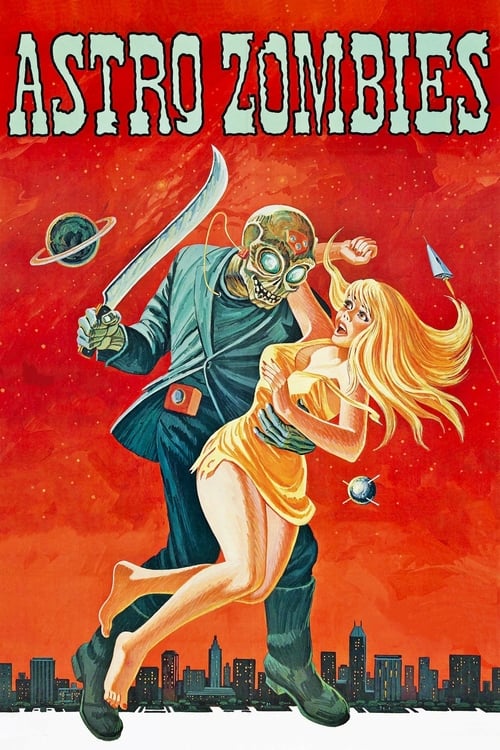
1968
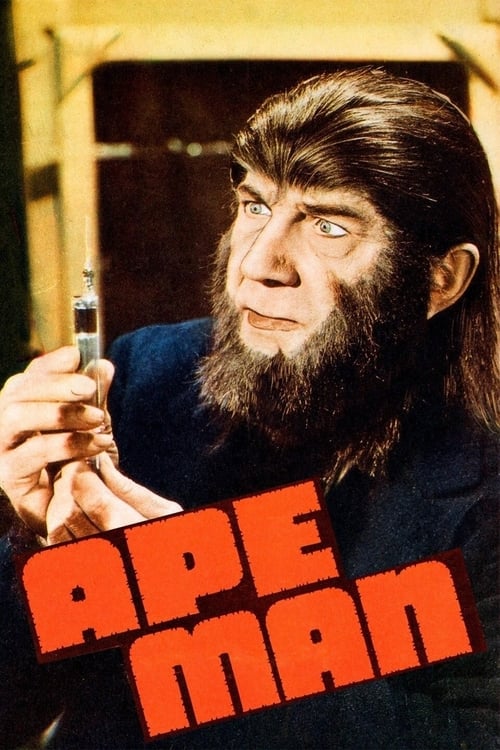
1943
1936
1957
1959
1958
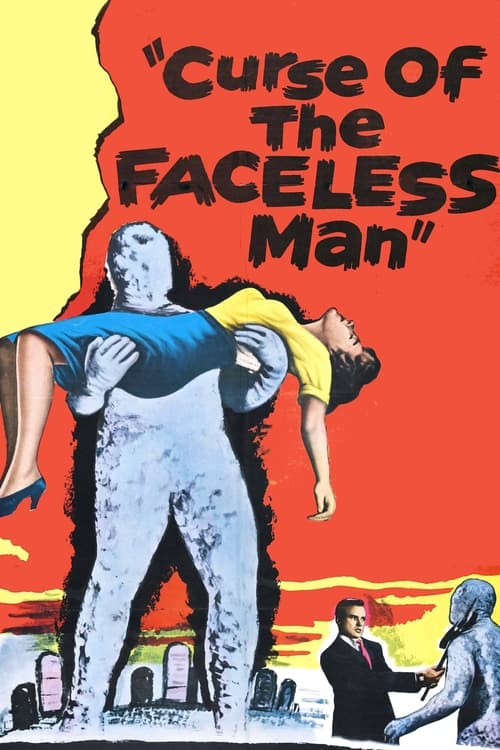
1958
No reviews yet. Be the first to share your thoughts on this movie!
Use the rating form above to leave a star rating and optional review.