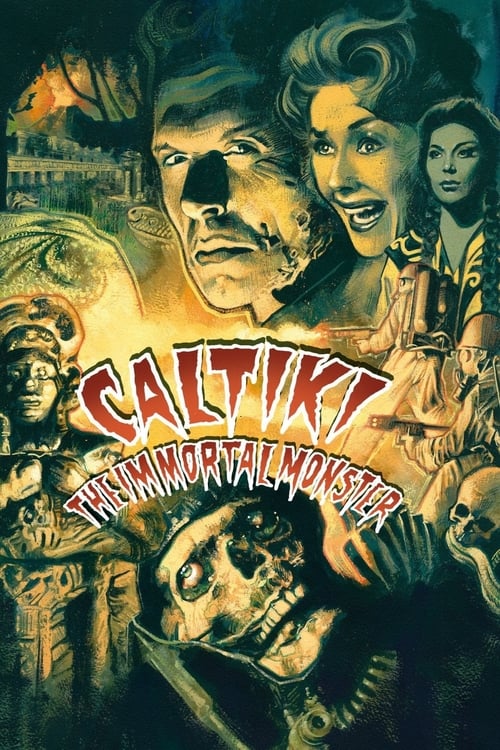
Caltiki, the Immortal Monster
1959
No user ratings available yet
Representation score: 0.5 out of 10
Representation Score
Minimal
1958
ApprovedDirector
Edward L. Cahn
Runtime
67 minutes
Average Rating
No ratings yetNew Showbiz Analysis
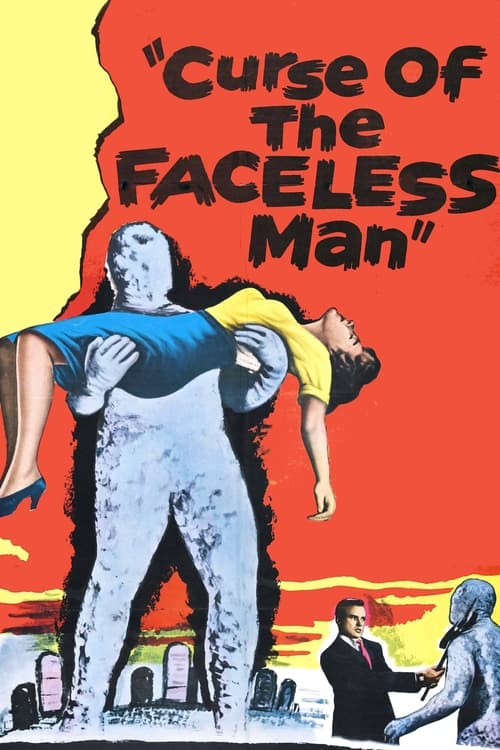
Curse of the Faceless Man is a product of its time, functioning as a typical mid-century genre piece. It maintains the social status quo through a narrative structure that avoids challenging multi-layered issues or progressive themes. The film focuses on a traditional horror-adventure storyline set in Pompeii. While the plot includes physical violence, it does not use these elements to explore disability or diverse human experiences. Ultimately, the production lacks the intentionality needed to disrupt historical social hierarchies, resulting in a film that reflects the demographic norms of 1958.
Category Breakdown
The film does not include any LGBTQ+ characters or storylines. It sticks to the traditional social norms of the 1950s, offering no visibility for queer identities.
The story seems to rely on traditional gender roles common in 1950s horror. Female characters are likely to play supporting or victim roles within a male-dominated plot.
Despite the archaeological setting, the film does not offer diverse casting. The story centers on a homogeneous Western cast, with limited representation of characters of color.
The film operates within a traditional framework of mystery and supernatural consequences. It does not explore themes that challenge established institutions or systemic critiques.
Physical trauma is used as a plot device rather than a nuanced exploration of disability. There is no evidence of characters with disabilities being given significant roles.
Present on Screen
Limited or Absent
Official Synopsis
A stone-encrusted body is unearthed at Pompeii, and people left alone with it keep dying of crushed skulls...
1959
1967
1958
1957

1942

1955

1958

1958
No reviews yet. Be the first to share your thoughts on this movie!
Use the rating form above to leave a star rating and optional review.