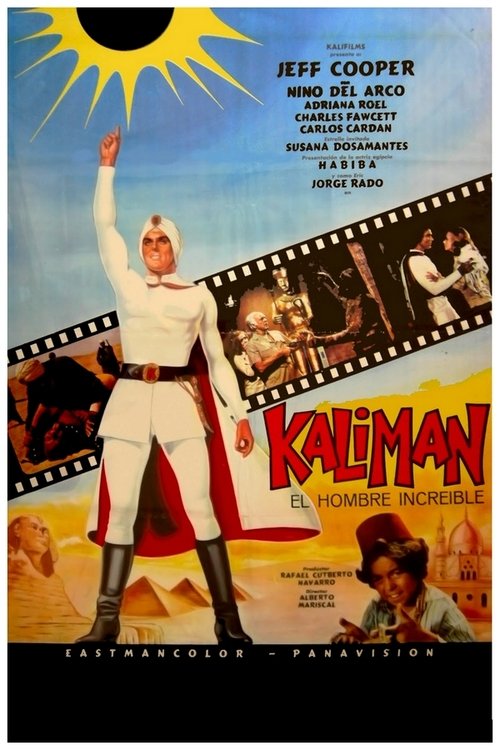
Kaliman, the Incredible Man
1972
No user ratings available yet
Representation score: 1.9 out of 10
Representation Score
Minimal
1966
Director
Umberto Lenzi
Runtime
93 minutes
Average Rating
No ratings yetNew Showbiz Analysis
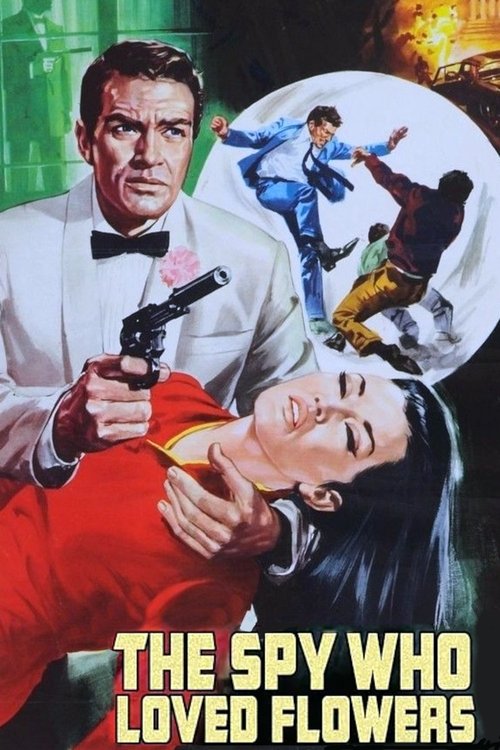
The Spy Who Loved Flowers is a conventional mid-century spy thriller that prioritizes fast-paced action over social exploration. The narrative structure follows a standard hunter-versus-hunted formula, focusing on geopolitical tension and action-adventure elements. Operating within the established social norms of 1966, the film relies on well-known genre clichés. It does not challenge social hierarchies or explore diverse identities found in more progressive works. Ultimately, the film reflects the era's cinematic landscape, emphasizing combat and duty rather than questioning systemic power dynamics or offering diverse representation.
Category Breakdown
The film follows traditional espionage themes and does not include any characters with non-cisgender gender identities or narratives that question the assumption that everyone is straight.
The story focuses on male-dominated roles such as government security officers and enemy agents. These roles emphasize traditional masculine leadership and physical strength typical of 1960s action films.
The plot revolves around the mechanics of a chase and government security operations. There is no indication of a predominantly non-white cast or a departure from Eurocentric norms.
The film highlights state security and institutional stability. It emphasizes individual conflict and duty over critiques of Western institutions or traditional moral values.
The film does not feature any characters dealing with physical or neurodivergent disabilities.
Present on Screen
Limited or Absent
Official Synopsis
Three enemy agents lead a government security man on a perilous trail as the hunter becomes the hunted.
1972

1966

1987

1966

1973

1980

1969
1968
No reviews yet. Be the first to share your thoughts on this movie!
Use the rating form above to leave a star rating and optional review.