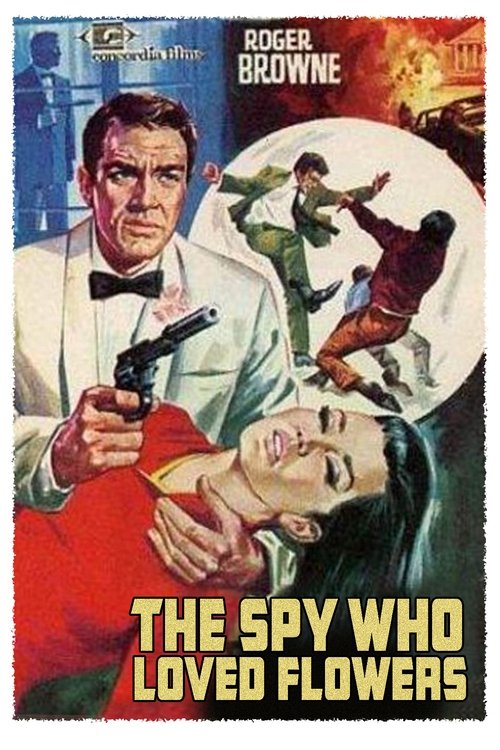
The Spy Who Loved Flowers
1966
No user ratings available yet
Diversity score: 2.6 out of 10
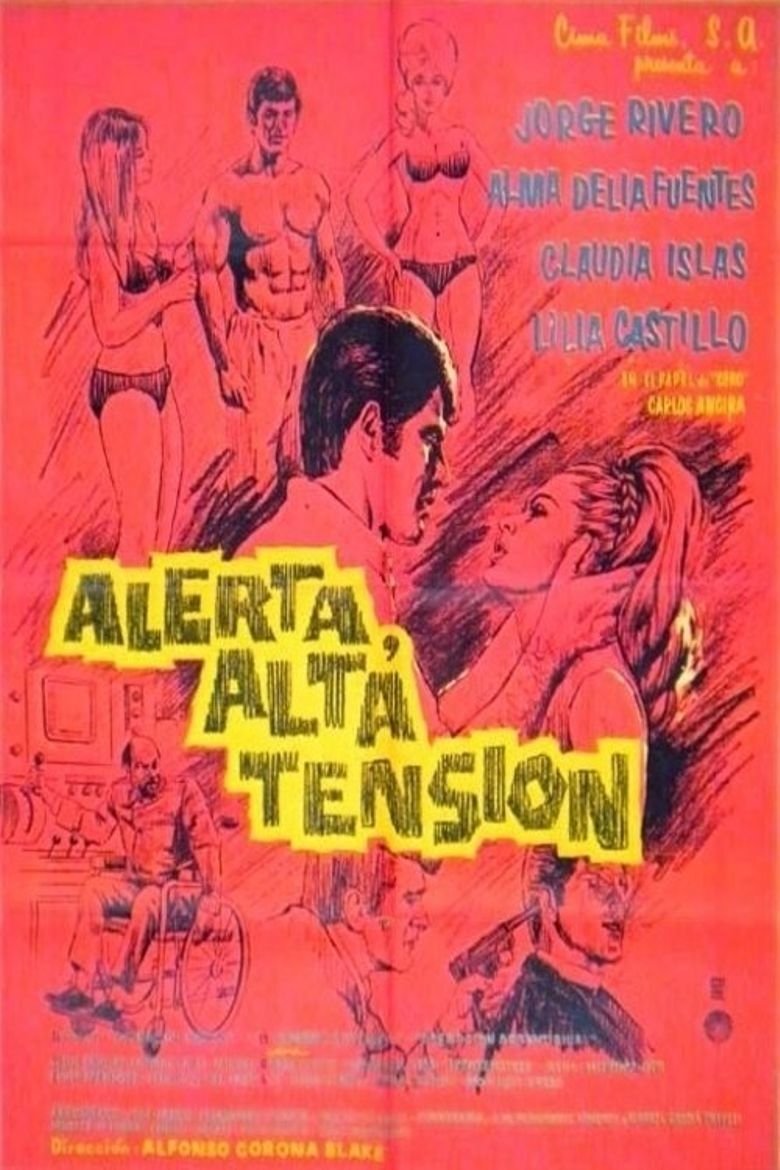
1969
Director
Fernando Durán Rojas, Alfonso Corona Blake
Runtime
87 minutes
Average Rating
No ratings yetSynopsis
After a criminal gang kidnaps a scientist with valuable information about nuclear weapons, an undercover agent named Jorge Rubio tries to infiltrate this gang in order to deal with the situation. The gang, however, quickly unmasks Rubio and uses both brainwashing and torture techniques on him. They also create a clone of Rubio, thus setting up a show-down battle between the two look-alikes.
Overall Score
Limited
Category Breakdown
LGBTQ+ Representation
The film lacks any evidence of queer narratives or non-cisnormative identities. It adheres to a standard espionage framework that prioritizes heteronormative archetypes.
Gender Representation
Agency is concentrated in male characters, specifically the protagonist Jorge Rubio and the criminal gang. The narrative reinforces traditional masculine hierarchies through themes of combat and undercover work.
Racial & Ethnic Diversity
The production features a predominantly Mestizo and Latin American cast typical of 1969 Mexican cinema. It reflects standard regional representation without intentional ethnic subversion.
Religious & Cultural Diversity
The plot centers on geopolitical anxieties regarding nuclear weaponry and institutional order. It follows a conventional hero versus criminal morality rather than offering cultural critique.
Disability Representation
Brainwashing and torture are used as plot devices to create character vulnerability. There is no evidence of characters with disabilities possessing narrative agency.
Strengths
Areas for Improvement
AI Analysis
Alerta, alta tensión is a conventional 1969 action-adventure film that operates within the established tropes of its era. The narrative focuses on a male-driven espionage plot involving nuclear weapons, clones, and physical confrontation. The film lacks intersectional complexity, instead reinforcing mid-century social hierarchies and traditional masculine archetypes. While it provides regional Latin American representation, it does not seek to subvert or expand upon the social identities of its characters. Ultimately, the work functions as a genre-driven piece of commercial cinema that prioritizes individual heroism and institutional order over progressive social exploration.
1966

1995

1957

1975
1973

1965
No reviews yet. Be the first to share your thoughts on this movie!
Use the rating form above to leave a star rating and optional review.