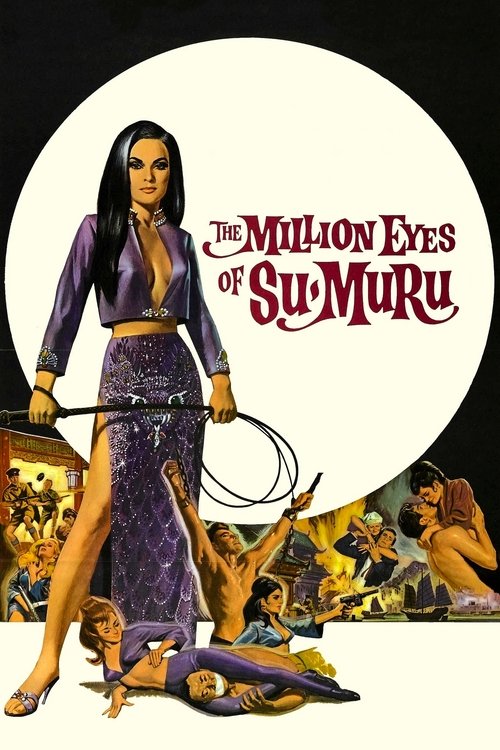
The Million Eyes of Sumuru
1967
No user ratings available yet
Representation score: 3.3 out of 10
Representation Score
Fair
1969
NRDirector
Jesús Franco
Runtime
94 minutes
Average Rating
No ratings yetNew Showbiz Analysis
The film stands out for its subversion of 1969 gender norms, replacing patriarchal stability with a matriarchal power structure. Sumuru serves as a driver of plot and authority, offering a rare glimpse of female-led systemic power in exploitation cinema. However, this ability to act is narrow, as the racial diversity of its Brazilian setting is used primarily for atmosphere rather than character development. The focus remains heavily on the European lead and erotic spectacle. Ultimately, the work prioritizes genre clichés over social critique, failing to engage with LGBTQ+ identities or disability, resulting in a specialized but limited diversity profile.
Category Breakdown
The film does not include explicit LGBTQ+ characters or identities that challenge the assumption that everyone is straight or cisgender. It relies on traditional erotic dynamics and the femme fatale archetype common to 1960s exploitation cinema.
The narrative centers on women's ability to drive the story through the matriarchal kingdom of Femina. Sumuru and her women act as the primary architects of political and sexual intrigue, challenging submissive female clichés.
While set in Rio de Janeiro, the story remains centered on a European lead. Local populations provide atmospheric texture but lack the high-level ability to act seen in the protagonists.
The film deconstructs traditional Western morality by focusing on a criminal underworld and a sovereign female kingdom. It functions as a genre piece rather than a systemic critique.
There is no discernible representation of physical or neurodivergent disabilities. Characters are portrayed through a lens of physical vitality and eroticized aesthetics.
Present on Screen
Limited or Absent
Official Synopsis
Sumuru, the beautiful leader of the all-female kingdom of Femina, plans to use her women to take over the world.
1967
1968
1974
1974

1986

1977

1968
1969
No reviews yet. Be the first to share your thoughts on this movie!
Use the rating form above to leave a star rating and optional review.