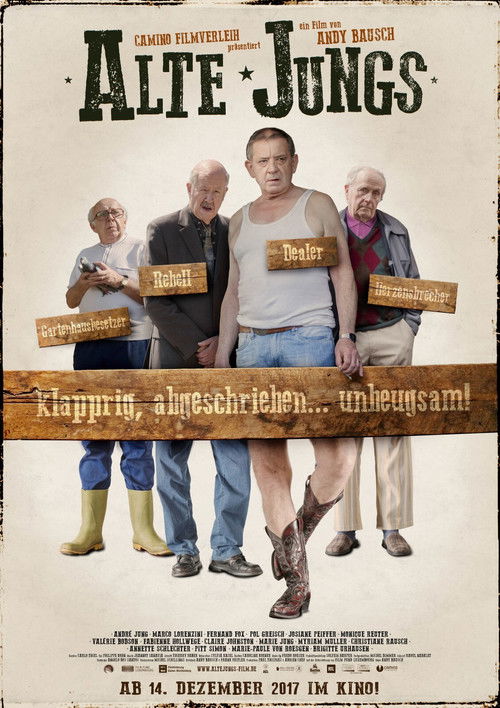
Rusty Boys
2017
No user ratings available yet
Representation score: 5.9 out of 10
Representation Score
Fair
2020
Director
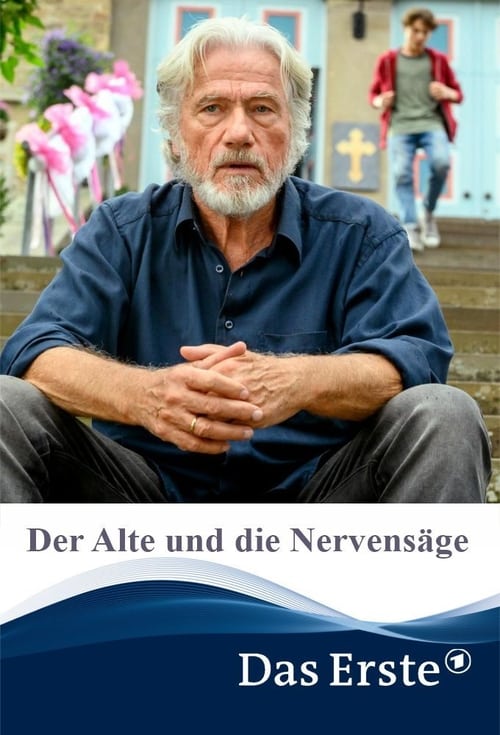
Uljana Havemann
Runtime
89 minutes
Average Rating
No ratings yetNew Showbiz Analysis
The film opens on a snow-covered, isolated house, a visual metaphor for the emotional coldness within the Schürmann family. This is not a warm holiday picture but a stark examination of generational friction, where the patriarch’s refusal to adapt becomes the central moral question. The sold meaning is clear: Wilhelm’s stubbornness is not a flaw but a form of integrity, and the family’s attempts to "fix" him are portrayed as intrusive and futile. The camera lingers on his weathered face and hands, treating him as the moral center even when his behavior is difficult. The film’s argument pulls against its own internal logic. While it praises Wilhelm’s autonomy, it also shows the genuine pain and exhaustion of his children, particularly Bettina, who is left to manage the fallout. The ending, where Wilhelm remains alone in his house, is a moral verdict that prioritizes individual freedom over familial cohesion. This is a traditional hierarchy inverted: the old man is right, and the young people are wrong to try to change him. The film does not offer a neat resolution; instead, it accepts the discomfort of unresolved tension. In the context of 2020 German cinema, this film stands out for its refusal to sentimentalize aging. It does not treat the family as a haven but as a site of conflict, where love is expressed through endurance rather than harmony. The lack of religious or institutional intervention keeps the focus squarely on the private sphere, making the family’s internal dynamics the sole source of moral weight. The film is a quiet, unflinching portrait of a man who refuses to be saved, and a family that refuses to let him go.
Category Breakdown
No queer characters or relationships appear. The narrative tracks heterosexual family dynamics exclusively. Identity discussions remain absent from the on-screen inventory.
Wilhelm anchors the moral center, with the camera favoring his stubbornness. Bettina and Ines function as caretakers, their agency defined by managing the patriarch.
The cast is predominantly white German. Ines serves as the sole visible outsider, marked by Eastern European features. No non-white characters hold power or depth.
The nuclear family operates as a cage rather than a haven. Wilhelm’s refusal to be fixed validates individual autonomy over collective harmony, rewarding his isolation.
Wilhelm’s hypertension and neck pain serve as metaphors for emotional state. The impairment drives the plot but lacks ongoing, unremarkable disabled life.
Present on Screen
Limited or Absent
Official Synopsis
Shortly before his 75th birthday, Wilhelm Schürmann has no desire to adapt his lifestyle even a little to suit his age and his health problems. When, after a bout of weakness, he was told to stop driving - at least for the time being - and move in with his daughter Bettina, the headstrong old man suddenly decided to run away.
2017
2017

2024
2015

2009

2017
2015
2005
No reviews yet. Be the first to share your thoughts on this movie!
Use the rating form above to leave a star rating and optional review.