Where Do We Go from Here?
2018
No user ratings available yet
Representation score: 5.8 out of 10
Representation Score
Fair
2017
PG-13Director
Andy Bausch
Runtime
90 minutes
Average Rating
No ratings yetNew Showbiz Analysis
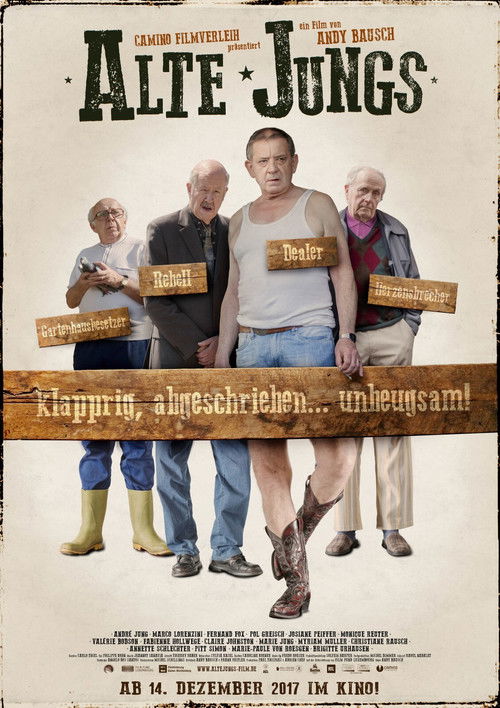
Rusty Boys is a character-driven study of aging and autonomy. It succeeds by positioning elderly protagonists as active drivers of their own destiny rather than passive figures. This challenges the common cinematic cliché of the helpless senior. However, the film lacks multi-layered complexity. The narrative is heavily centered on a specific male demographic, leaving little room for diverse gender, racial, or LGBTQ+ perspectives. This narrow focus limits its broader social impact. Ultimately, the film's value lies in its depiction of ability to act. It frames the fight for independence as a meaningful disruption of the expected social order for older citizens.
Category Breakdown
The film focuses on the camaraderie of four male protagonists. There is no visible evidence of LGBTQ+ characters or non-straight relationships within the primary narrative.
The story centers on a male-dominated group. While it challenges the idea of elderly helplessness, it does not provide significant space for women's ability to drive the story or subvert traditional gender roles.
The setting appears localized and likely homogeneous. There is no evidence of a multi-ethnic cast or intentional use of diverse casting to disrupt traditional demographics.
The film disrupts expectations of aging by framing care facilities as restrictive forces. It portrays the protagonists' desire for autonomy as a rebellion against systemic institutional control.
The narrative addresses the social exclusion of the aging body. The characters' struggle against being treated like children critiques how society manages the elderly.
Present on Screen
Limited or Absent
Official Synopsis
Four elderly men (Fons, Lull, Nuckes and Jängi) are fed up with being walked all over and treated like children. Together with their friends, they plan a future without old people's homes. But that's easier said than done.
2018
2012

2015
2011

2000
2023

2012
2018
No reviews yet. Be the first to share your thoughts on this movie!
Use the rating form above to leave a star rating and optional review.