Ms Stern
2019
No user ratings available yet
Representation score: 8.1 out of 10
Representation Score
Excellent
2015
Director
Isabel Kleefeld
Runtime
87 minutes
Average Rating
No ratings yetNew Showbiz Analysis
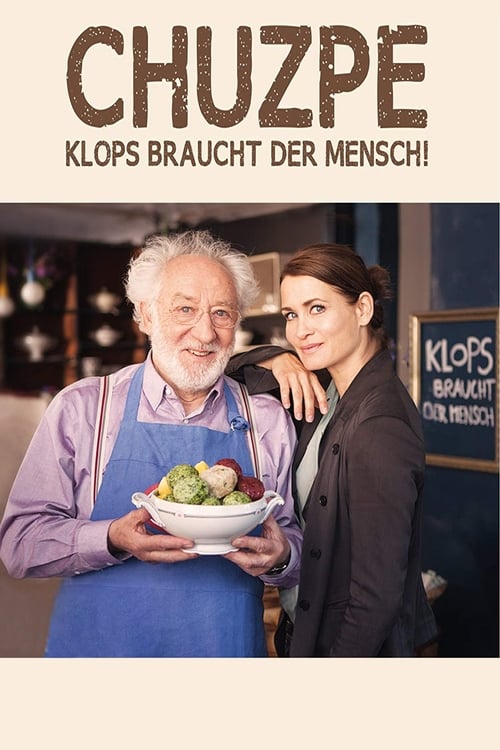
Chuzpe - Klops braucht der Mensch! stands out by rejecting the 'passive victim' stereotype often applied to Holocaust survivors. Instead, it portrays a protagonist defined by vitality and chaos rather than decline. The film's strength lies in its nuanced exploration of multi-layered identities, especially the blending of Jewish and Polish cultural histories. However, the narrative remains somewhat limited in its social scope. The lack of LGBTQ+ representation and specific disability-driven arcs restricts the film's inclusivity. While it excels at challenging ageist stereotypes, it adheres to a more traditional romantic and familial framework.
Category Breakdown
The story focuses on a relationship between Edek and Zofia that follows the assumption that everyone is straight or cisgender. There are no visible signs of queer identities or non-cisgender subtext in the narrative.
The film challenges the idea of elderly decline by highlighting Edek's boundless energy and his ability to drive the story. Ruth and Zofia play crucial roles in the plot and support Edek's independence.
The film provides a rich exploration of Jewish identity, Polish heritage, and the experiences of Australian immigrants. It avoids simplistic depictions of ethnicity by delving into these complex cultural interactions.
The narrative questions strict social norms and traditional Western views on elder care. It emphasizes personal purpose and subjective morality over the sanctity of the nuclear family structure.
While the film does not center specific disabilities, it examines the psychological impact of historical trauma. It highlights the importance of ability to act despite the physical vulnerabilities associated with aging.
Present on Screen
Limited or Absent
Official Synopsis
Holocaust survivor Edek Rothwachs fled to Melbourne as a teen and still thrives at 80, so he balks when daughter Ruth urges him to retire in Berlin. But meeting spirited Polish Zofia gives him a new purpose. He stays, sparks chaos with his boundless energy, embarks on a romance, and helps her open a restaurant, turning Ruth’s quiet plan upside down.
2019
2015

2014
2001
2014
2013

2024
2011
No reviews yet. Be the first to share your thoughts on this movie!
Use the rating form above to leave a star rating and optional review.