The Flying Jalopy
1943
No user ratings available yet
Representation score: 0.4 out of 10
Representation Score
Minimal
1946
ApprovedDirector
Howard Swift
Runtime
7 minutes
Average Rating
No ratings yetNew Showbiz Analysis
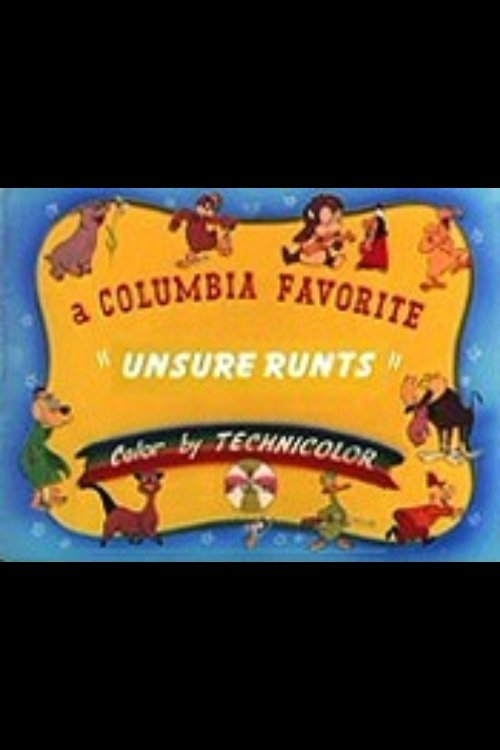
Unsure Runts is a mid-century animation that relies on standard moralizing clichés. The plot follows a trickster Crow trying to manipulate a conscientious Fox into buying insurance through staged accidents. This focus on a singular, transactional conflict limits the narrative scope. The film lacks meaningful representation across most identity categories. It relies on traditional animal archetypes that do not challenge social hierarchies or provide diverse perspectives. The storytelling is rooted in a capitalist framework typical of the 1940s era. Ultimately, the work functions as a simple fable. It prioritizes a specific moral lesson over complex, identity-driven storytelling, leaving little room for multi-layered or progressive themes.
Category Breakdown
The film uses traditional animal characters that follow conventional social roles. There is no depiction of non-traditional gender identities or stories challenging the assumption that everyone is straight.
The story revolves around a conflict between two male-coded animals. It lacks female characters and does not challenge traditional gender power dynamics.
The fable-like setting uses anthropomorphic animals instead of diverse human representation. There is no evidence of casting actors from different backgrounds or exploring multiple aspects of diversity.
The narrative is set within a Western moral framework focused on deception and insurance. It centers on a capitalist conflict without exploring cultural or religious themes.
None of the characters exhibit visible or invisible disabilities. There is no representation of neurodivergent individuals in the film.
Present on Screen
Limited or Absent
Official Synopsis
The confidence-tricking Crow attempts to make the conscientious Fox the victim of various accidents in order to convince him that he needs to buy insurance.
1943
1948
1949
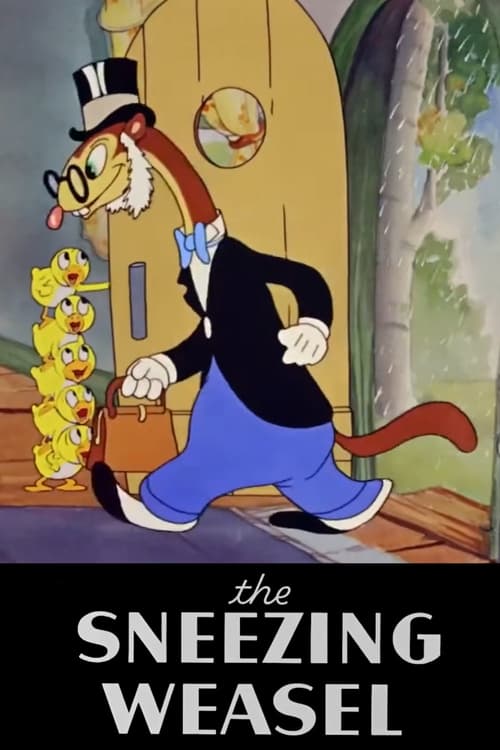
1938
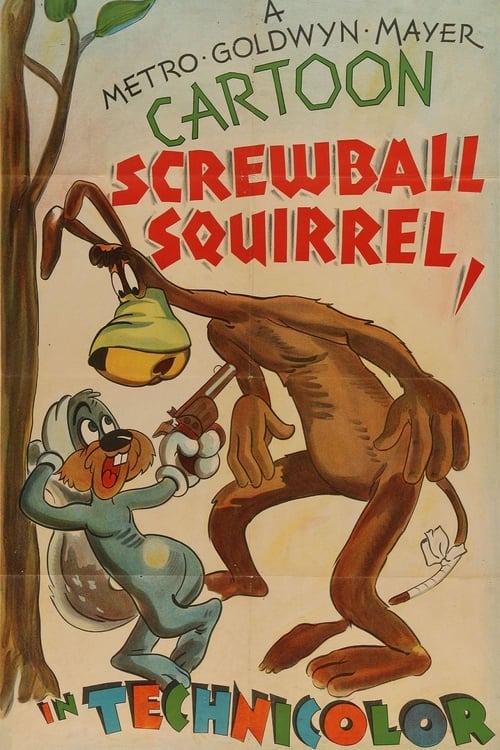
1944
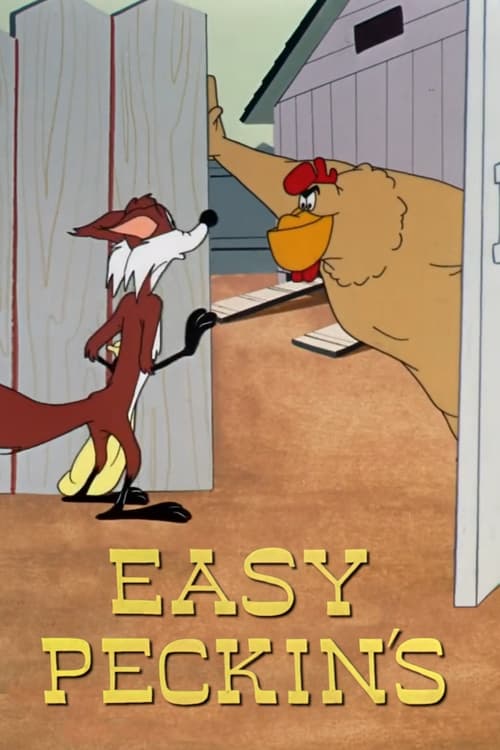
1953
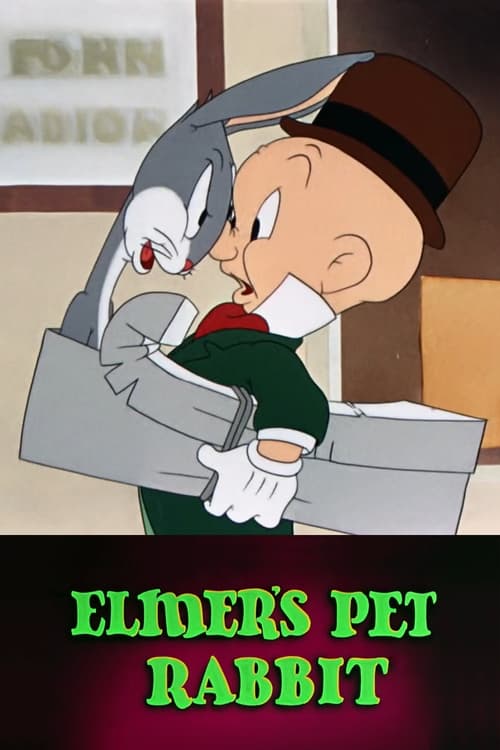
1941
1940
No reviews yet. Be the first to share your thoughts on this movie!
Use the rating form above to leave a star rating and optional review.