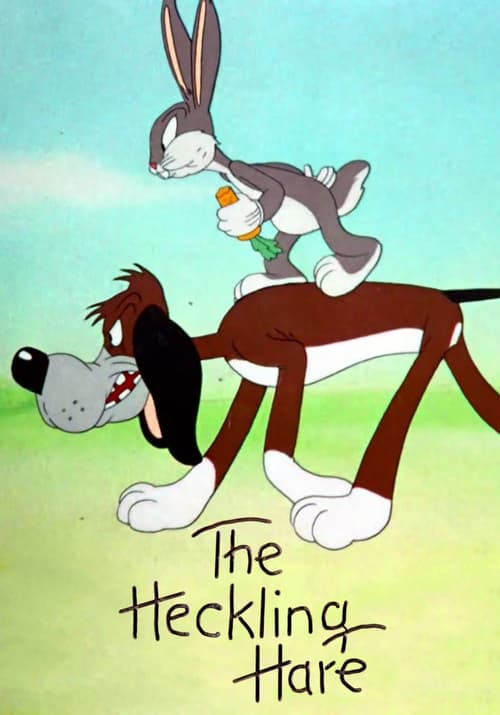
The Heckling Hare
1941
No user ratings available yet
Representation score: 0.4 out of 10
Representation Score
Minimal
1940
NRDirector
Tex Avery
Runtime
8 minutes
Average Rating
No ratings yetNew Showbiz Analysis
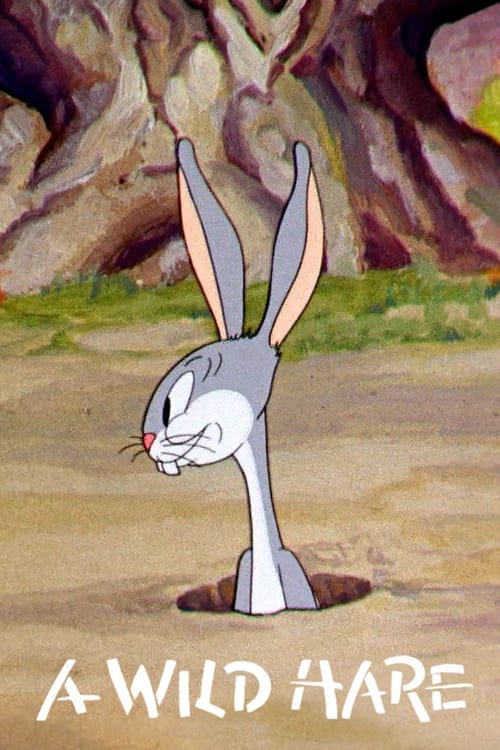
A Wild Hare is a foundational piece of animation history that prioritizes stylistic rebellion over demographic complexity. The narrative centers on a classic hunter-prey dynamic, limiting the scope for multi-layered representation. While the film avoids racial stereotypes through its animal cast, it does not engage with broader social or cultural commentary. The story introduces a significant narrative shift where the protagonist uses intellect to destabilize a more powerful pursuer, setting a template for the trickster archetype. Ultimately, the work presents a localized slapstick conflict that does not address broader social issues.
Category Breakdown
The film focuses on a binary relationship between two male characters and does not include any representation of non-traditional gender identities or critiques of the assumption that everyone is straight.
The story revolves around a male hunter and a male trickster, both operating within a strictly masculine framework. The absence of female characters prevents any challenge to traditional gender roles.
The cast consists of anthropomorphic animals, avoiding racial stereotypes but not reflecting a diverse range of human backgrounds or ethnicities.
The film uses the trickster archetype to challenge authority and established order but does not offer broader critiques of Western institutions or social structures.
There are no depictions of physical, sensory, or neurodivergent disabilities. Characters operate within the typical physical capabilities of their animal archetypes.
Present on Screen
Limited or Absent
Official Synopsis
While hunting rabbits, Elmer Fudd comes across Bugs Bunny who tricks and harasses him.
1941
1944
1941
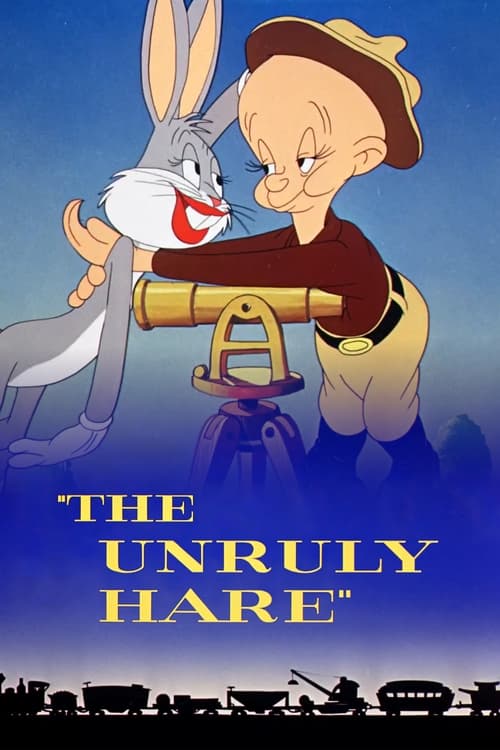
1945
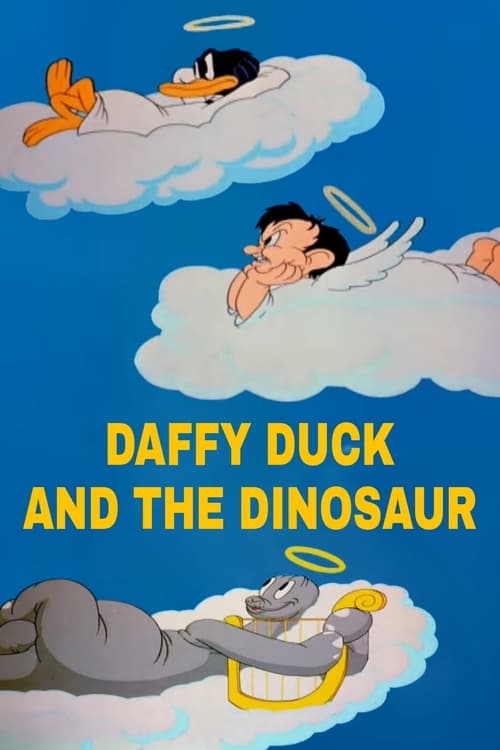
1939
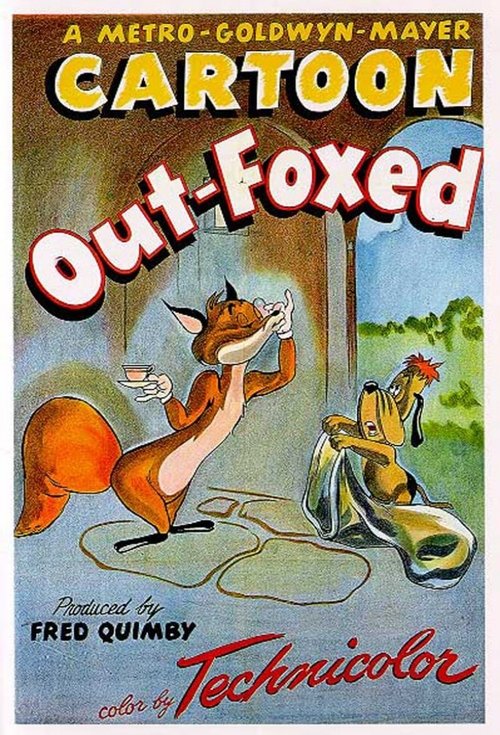
1949
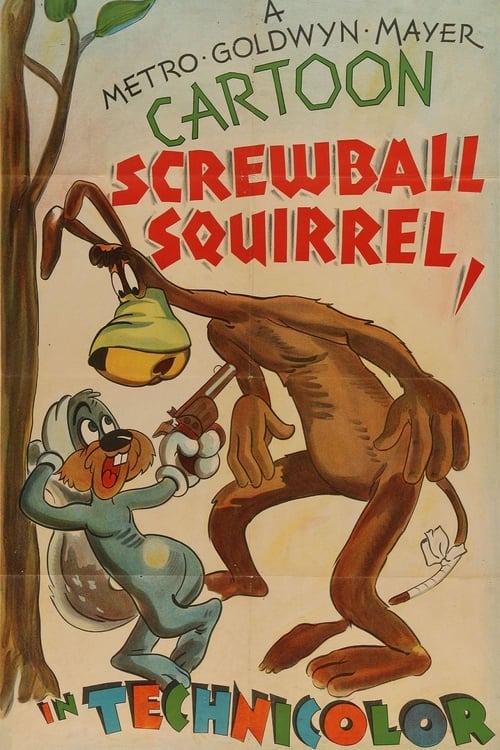
1944
1941
No reviews yet. Be the first to share your thoughts on this movie!
Use the rating form above to leave a star rating and optional review.