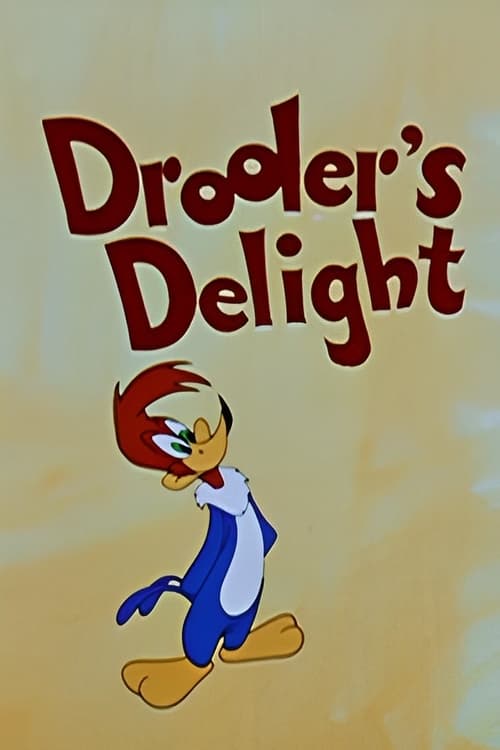
Drooler's Delight
1949
No user ratings available yet
Representation score: 2.8 out of 10
Representation Score
Minimal
1948
PassedDirector
Dick Lundy
Runtime
6 minutes
Average Rating
No ratings yetNew Showbiz Analysis
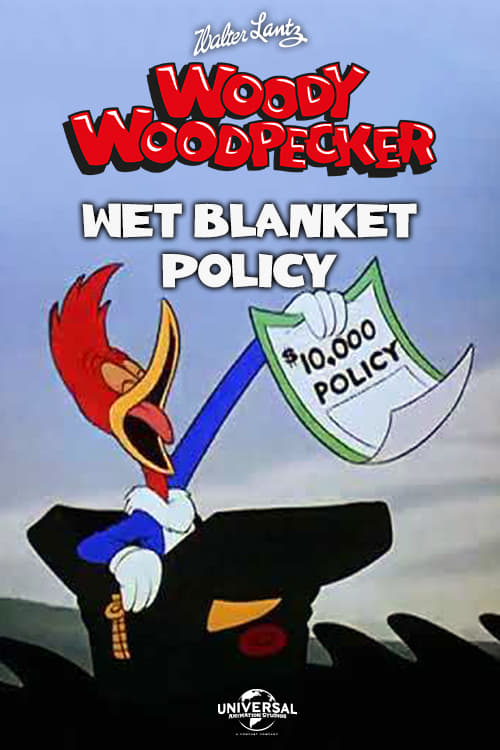
Wet Blanket Policy, produced in 1948, emphasizes slapstick humor and established character archetypes over narrative complexity. The plot centers on the rivalry between Woody Woodpecker and Buzz Buzzard through a life insurance scheme. Because the film adheres to the conventional comedic standards of the late 1940s, it lacks representation of diverse identities. The characters are archetypal, and the narrative follows a traditional predator-and-prey structure common to the period.
Category Breakdown
The story revolves around a conflict between two male cartoon characters, with no representation of LGBTQ+ identities or critiques of the assumption that everyone is straight or cisgender.
Male-coded characters drive the plot within a traditional slapstick framework. The power dynamics follow standard mid-century slapstick clichés without challenging gender hierarchies.
The film lacks visible racial or ethnic diversity among its main characters. The characters are portrayed as archetypal cartoon figures without addressing racial or ethnic identity.
The story upholds traditional Western comedic structures and individualistic motivations. It follows a standard episodic comedy format typical of the era's commercial output.
There are no characters with visible or invisible disabilities in the film. Disability is not used as a narrative device.
Present on Screen
Limited or Absent
Official Synopsis
Woody Woodpecker buys life insurance with the beneficiary being Buzz Buzzard who wants to collect early.
1949
1943

1940
1945
1946
1957
1952
1948
No reviews yet. Be the first to share your thoughts on this movie!
Use the rating form above to leave a star rating and optional review.