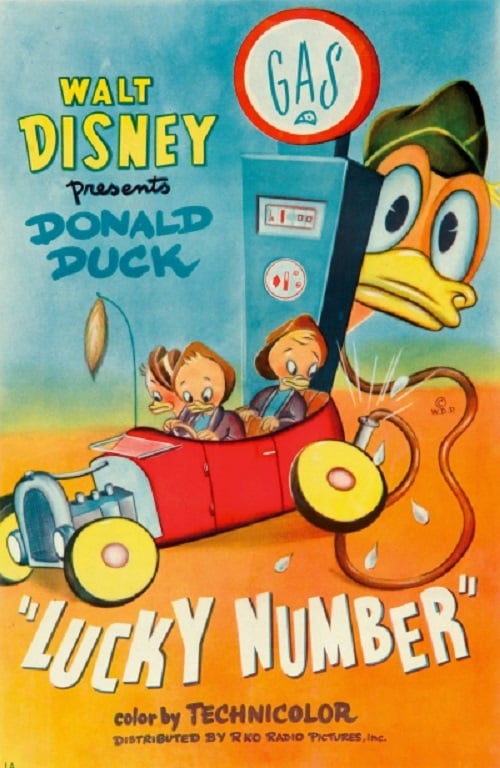
Lucky Number
1951
No user ratings available yet
Representation score: 1.1 out of 10
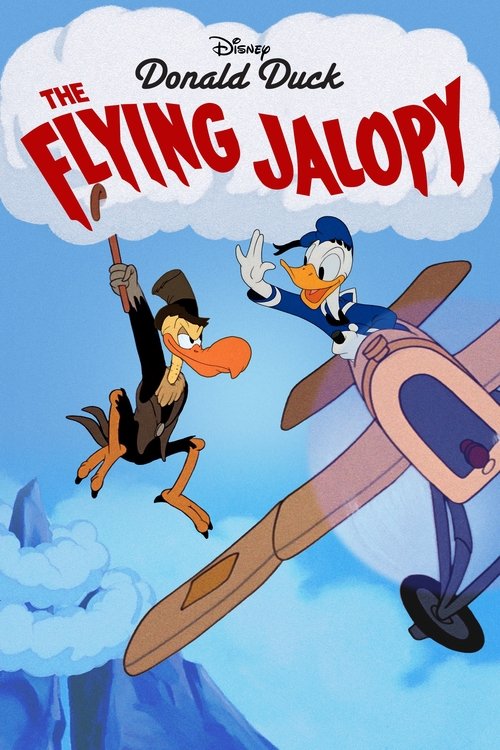
Representation Score
Minimal
1943
NRDirector
Dick Lundy
Runtime
7 minutes
Average Rating
No ratings yetNew Showbiz Analysis
The film is a classic example of Golden Age animation, emphasizing high-quality slapstick and physical humor over social commentary. The story revolves around a conflict between a male protagonist and a male antagonist, reinforcing traditional gender roles of the time. Representation is limited, focusing on uniform character types and personal morality. While it critiques exploitative business practices, it does so through a straightforward trickster-versus-victim framework without exploring broader systemic issues. Ultimately, the film operates as a traditional comedy that does not aim to challenge social hierarchies or offer diverse viewpoints.
Category Breakdown
The film does not include any LGBTQ+ characters or stories about non-cisgender identities. It follows typical mid-century comedic themes focused on a single main character.
The story centers on a male protagonist and a male antagonist. There are no female characters or challenges to traditional gender roles.
The use of anthropomorphic animals simplifies social dynamics, but the story does not intentionally explore racial or ethnic diversity. It relies on typical character types from the 1940s.
The plot criticizes greedy and predatory business practices through a moral lens. It avoids deeper critiques of Western institutions or complex power dynamics.
There are no characters with visible or invisible disabilities. The slapstick humor relies on conventional physical jokes rather than giving disabled characters a significant role.
Present on Screen
Limited or Absent
Official Synopsis
Donald Duck buys a rattletrap used airplane from devious proprietor Ben Buzzard, who tricks the unsuspecting duck into making Ben the beneficiary in case of an accident. Ben then leads Donald on a reckless flight, trying to make the plane crash so that he collect a fortune from Donald's misfortune.
1951
1954
1946

1948
1949

1951
1947
1948
No reviews yet. Be the first to share your thoughts on this movie!
Use the rating form above to leave a star rating and optional review.