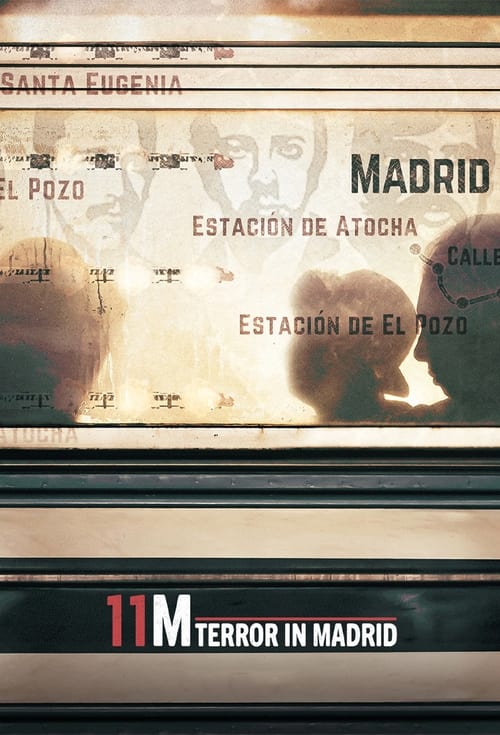
11M: Terror in Madrid
2022
No user ratings available yet
Diversity score: 5.3 out of 10
2015
PGDirector
Callie T. Wiser
Runtime
53 minutes
Average Rating
No ratings yetSynopsis
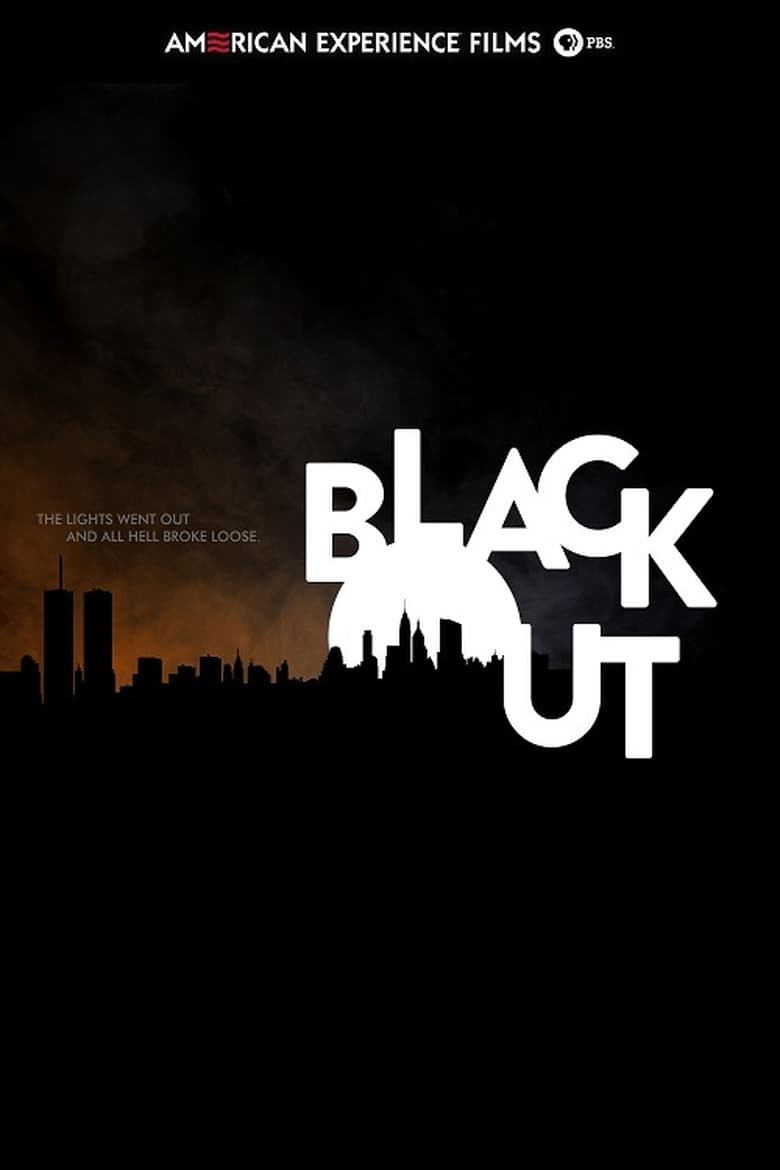
First responders, journalists, shop owners, those inside the pressure-packed control center of Con Edison on West End Avenue, and other New Yorkers tell about what happened when the lights went out on July 13, 1977.
Overall Score
Fair
Category Breakdown
LGBTQ+ Representation
The film functions as a historical testimonial of an urban crisis. It lacks explicit evidence regarding LGBTQ+ identities or narratives addressing heteronormativity.
Gender Representation
The narrative focuses on professional roles like journalists and shop owners. While these roles suggest a diverse spectrum, the film does not explicitly challenge gendered power dynamics.
Racial & Ethnic Diversity
By centering various New Yorkers, the documentary captures a multi-ethnic urban experience. It provides a meaningful look at intersectional survival during the 1977 blackout.
Religious & Cultural Diversity
The film explores the tension between institutional stability and spontaneous social behaviors during a systemic breakdown. It examines how societal structures function under extreme pressure.
Disability Representation
There is no specific information regarding the depiction of individuals with physical or neurodivergent disabilities.
Strengths
Areas for Improvement
AI Analysis
Blackout (2015) acts as a multi-perspective historical record of the 1977 New York City blackout. It utilizes a testimonial structure to capture a wide array of voices from a period of intense urban volatility. The documentary succeeds in presenting a broad cross-section of the city, including first responders, journalists, and shop owners. This approach ensures a multi-ethnic urban experience is represented through the lens of community survival. However, the film remains largely observational. It does not appear designed to explicitly subvert social hierarchies or address specific identity-based narratives, such as LGBTQ+ or disability representation, within its historical framework.
2022
2010
2015
2025
2007

2021
2015
2007
2003
2016
2017
2016
No reviews yet. Be the first to share your thoughts on this movie!
Use the rating form above to leave a star rating and optional review.