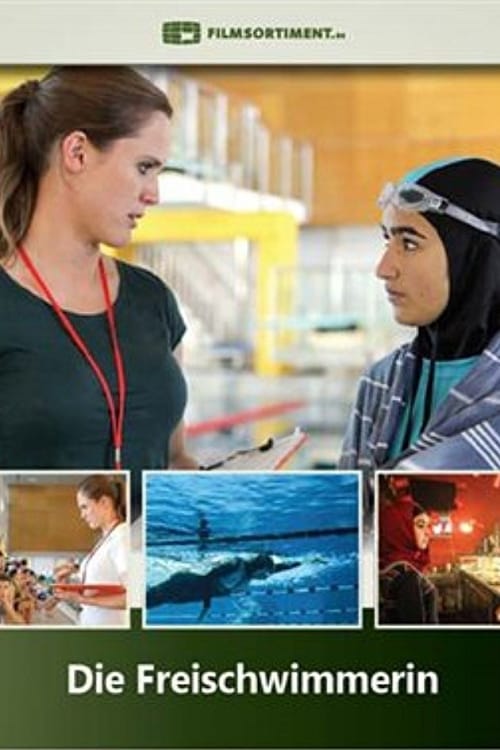
Die Freischwimmerin
2014
No user ratings available yet
Representation score: 6.0 out of 10
No Poster Available
Representation Score
Good
2015
Director
Buket Alakuş
Average Rating
No ratings yetNew Showbiz Analysis
Die Neue provides a sophisticated look at integration and systemic tension in a European school setting. It avoids simplistic formulas by giving Sevda, a Turkish student, a significant role in driving the story and conviction. The film's strength lies in its focus on negotiation over assimilation. By centering the conflict on a woman's professional and moral autonomy, it challenges traditional institutional hierarchies. While the film excels in ethnic and cultural representation, it remains silent on LGBTQ+ identities and disability, focusing its lens almost exclusively on the friction between religion and secularism.
Category Breakdown
The film does not include any explicit mentions of LGBTQ+ characters or stories that challenge the assumption that everyone is straight or cisgender. The main storyline focuses on the intersection of religious identity and secular education.
The story centers around the female protagonist, Eva, who plays a significant role in driving the narrative. Eva navigates a crisis in education and professional changes, placing the moral weight of the story on her perspective.
The film shows strong intentionality by centering the plot on Sevda, a Turkish student. She is portrayed as smart and confident rather than a passive immigrant figure.
The film critiques Western institutional approaches by exploring the tension between religious freedom and secular governance. It examines how institutions manage religious pluralism through debates over headscarves.
There are no visible or mentioned depictions of physical or neurodivergent disabilities within the provided narrative details.
Present on Screen
Limited or Absent
Official Synopsis
Eva is a passionate teacher. After the death of her mother, she tries to find a new direction in life. Then Sevda, a Turkish girl, joins her class. She is smart, self-confident and wears a headscarf out of conviction. She demands her right to religious freedom without restriction. Rolf, the principal of the grammar school, believes that peace at school is at risk and wants to ban Sevda from wearing the headscarf. Eva, on the other hand, wants to take the more sustainable path and persuade her. But then the conflict at the school comes to a head.
2014
2019
2015
2020
2022
2024
2010

2016
No reviews yet. Be the first to share your thoughts on this movie!
Use the rating form above to leave a star rating and optional review.