Die Neue
2015
No user ratings available yet
Representation score: 6.3 out of 10
Representation Score
Fair
2015
Director
Toby Fell-Holden
Runtime
17 minutes
Average Rating
No ratings yetNew Showbiz Analysis
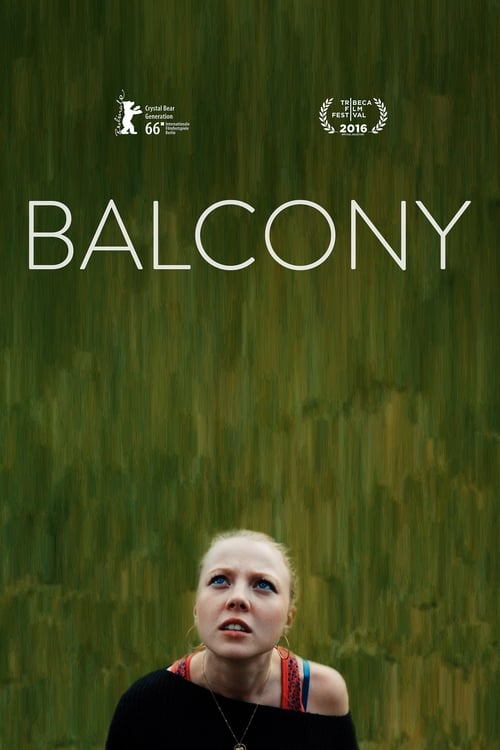
Balcony is a sophisticated character study that avoids easy answers regarding multiculturalism. It uses the proximity of two neighbors to dissect the friction between genuine curiosity and deep-seated prejudice. The film's strength lies in its critique of the 'othering' gaze and systemic prejudice. By focusing on Tina's flawed protective instincts, the narrative deconstructs how identity is constructed and perceived in shared urban spaces. While the film excels in exploring racial and cultural intersections, it remains limited in its depiction of LGBTQ+ identities and disability, focusing instead on the specific tension of cross-cultural interaction.
Category Breakdown
The film hints at queer longing through tentative advances between the two female protagonists. These interactions suggest a potential exploration of non-traditional emotional boundaries.
The narrative centers on the active role of women in driving the story and the emotional solidarity among them. Tina navigates a complex social landscape as an emotionally engaged participant rather than a passive observer.
The film addresses ethnic diversity by centering a character in a hijab. It examines the psychological impact of being perceived as an outsider in a Western urban setting, moving beyond superficial representation.
The story engages with post-colonial themes and the clash between Westernized residents and Middle Eastern or North African identities. It critiques the tendency to project specific narratives onto underrepresented communities.
There is no discernible evidence regarding the portrayal of physical or neurodivergent disabilities within the work.
Present on Screen
Limited or Absent
Official Synopsis
Tina doesn’t know much about the schoolgirl in the Hijab. She might come from Egypt or Iraq – but what does it matter? She would like to be there for her neighbour, to protect her from her tough life at home and in the neighbourhood. But how come Tina thinks she knows so much about this foreign girl? Prejudice and tentative advances collide head-on in the block.
2015

2011

2013

2017

2016
2008

2022
2017
No reviews yet. Be the first to share your thoughts on this movie!
Use the rating form above to leave a star rating and optional review.