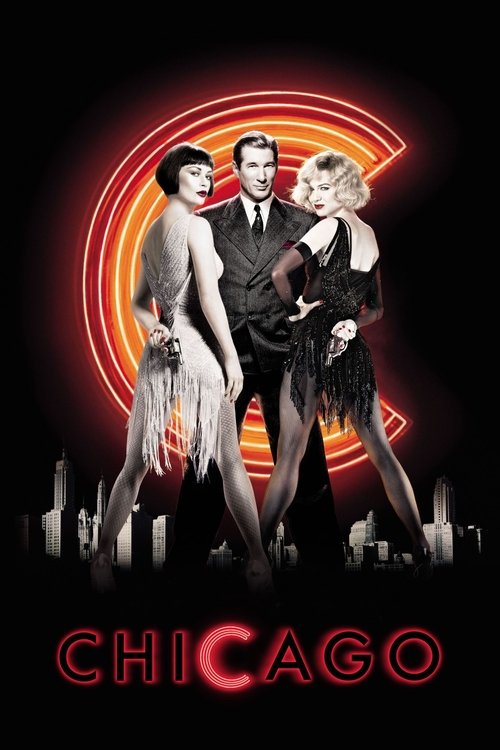
Chicago
2002
No user ratings available yet
Representation score: 6.1 out of 10

Representation Score
Limited
1927
PassedDirector
Frank Urson
Runtime
103 minutes
Average Rating
No ratings yetNew Showbiz Analysis
Frank Urson’s 1927 crime melodrama is a product of the silent era's studio system, focusing on period-specific storytelling rather than modern multi-layered critiques. While it lacks demographic breadth, it provides a sharp look at systemic manipulation. The film's strength lies in its subversion of traditional gender roles through Roxie Hart's active role and calculated survivalism. However, the production remains limited by the era's tendency towards demographic uniformity and a lack of LGBTQ+ representation. Ultimately, the work functions as a study of institutional corruption and survivalism rather than a diverse social tapestry.
Category Breakdown
The film does not include any characters with non-straight or non-cisgender identities, nor does it depict any same-sex relationships or intimacy. The story revolves around heterosexual relationships and infidelity typical of the time.
Roxie Hart challenges traditional gender roles by using deception to navigate a male-dominated legal system. Her calculated survivalism and active role subverts the stereotype of the passive or submissive woman.
The narrative seems to focus on a homogeneous social structure with no indication of a non-Anglo-Saxon majority cast or intentional demographic variety.
The film offers a cynical critique of Western judicial institutions, emphasizing situational ethics and individual choice over traditional moral frameworks.
There is no documented evidence of characters with visible or invisible disabilities playing central roles in the plot.
Present on Screen
Limited or Absent
Official Synopsis
Based on a true story, two-timing boozing wife Roxie Hart kills her lover in cold blood after he leaves her, and finagles her way out being indicted.
2002

1937
1942
1947
2001
1946
1949
2001
No reviews yet. Be the first to share your thoughts on this movie!
Use the rating form above to leave a star rating and optional review.