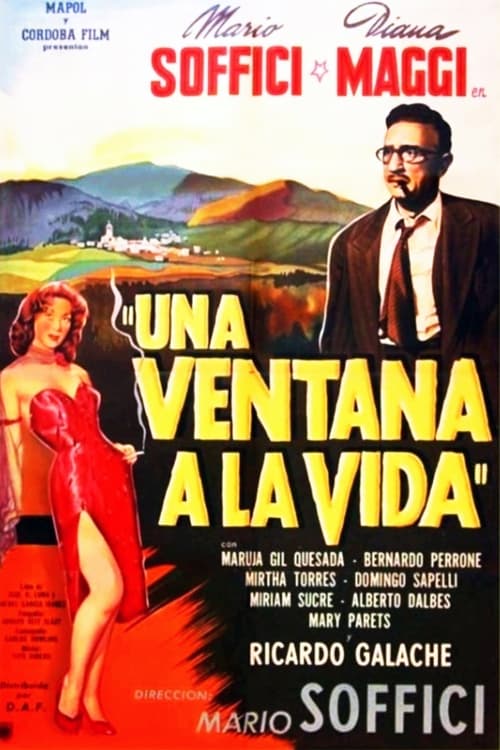
Una ventana a la vida
1953
No user ratings available yet
Diversity score: 3.2 out of 10
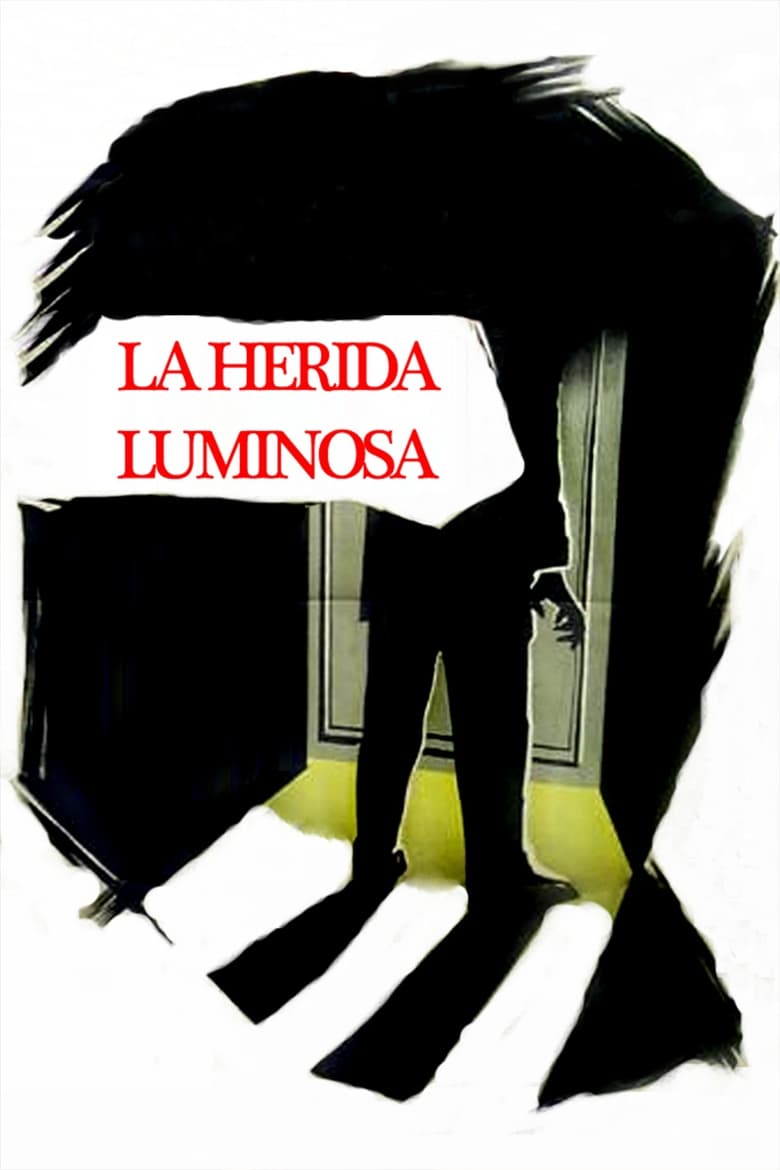
1956
Director
Tulio Demicheli
Runtime
85 minutes
Average Rating
No ratings yetSynopsis
Dr. Henry Mills a very renowned cardiac specialist, disagrees with his wife, because of their religious beliefs, and more particularly because it encourages his son Ernesto to follow the priesthood. Mills is unfaithful to his wife, Isabel. She knows her husband's betrayal, and he secretly decides to separate, without sharing the marital bed, but keeping a secret from society.
Overall Score
Limited
Category Breakdown
LGBTQ+ Representation
The film focuses on heteronormative marital discord and infidelity. There is no evidence of queer narratives or non-cisnormative identities within the story.
Gender Representation
The plot centers on a patriarchal structure where male characters drive the primary conflicts. While Isabel reacts to betrayal, the narrative remains anchored in traditional domestic roles.
Racial & Ethnic Diversity
The production features a homogeneous cast typical of 1956 dramatic cinema. There is no indication of intersectional casting or diverse ethnic backgrounds in the central arcs.
Religious & Cultural Diversity
The story explores the tension between scientific professionalism and religious dogma. It frames these institutions as sources of domestic friction rather than critiquing them as oppressive.
Disability Representation
No visible or invisible disabilities are identified among the primary characters in the narrative.
Strengths
Areas for Improvement
AI Analysis
La herida luminosa is a mid-century domestic drama that adheres strictly to the social and moral frameworks of its era. The narrative prioritizes the conflict between secular professional identity and religious obligation, reinforcing traditional family structures. The film operates within a patriarchal lens, where the central tensions are driven by the male protagonists' decisions regarding faith and infidelity. This focus limits the scope of the character dynamics to conventional 1950s social mores. Ultimately, the work functions as a period piece that reflects established institutional norms rather than challenging them through diverse or subversive perspectives.
1953
1934
1959
1950
1943
1974
1976
1950
2005
1953
1969

1967
No reviews yet. Be the first to share your thoughts on this movie!
Use the rating form above to leave a star rating and optional review.