The Twenties, the Thirties
1984
No user ratings available yet
Representation score: 3.9 out of 10
Representation Score
Limited
1967
Director
Jerzy Passendorfer
Runtime
78 minutes
Average Rating
No ratings yetNew Showbiz Analysis
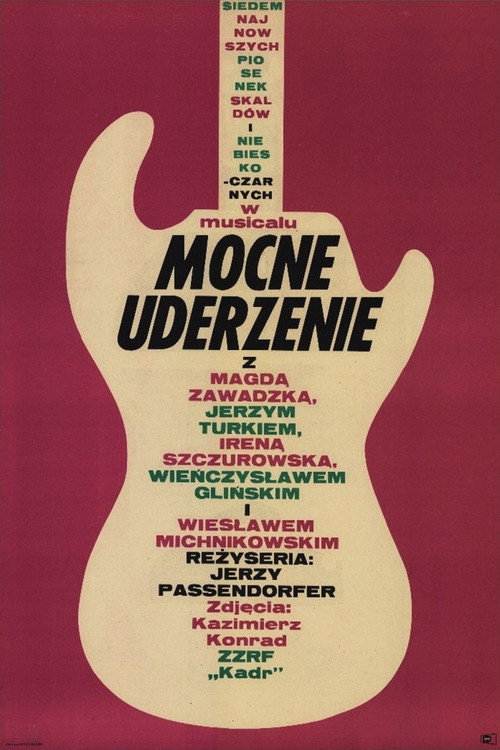
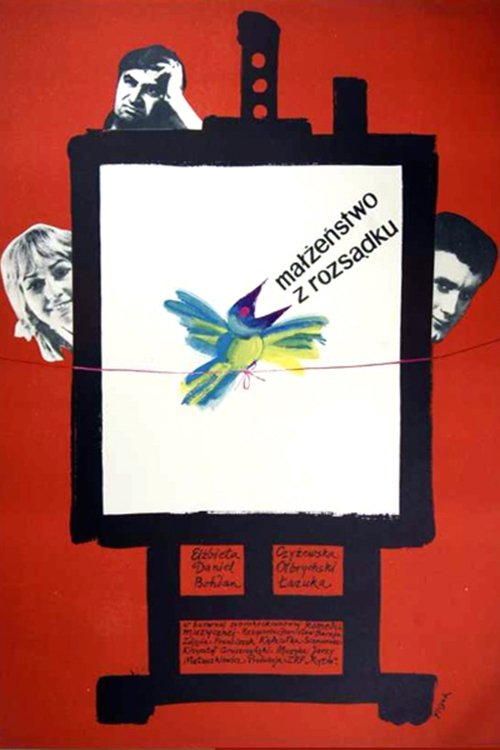
Big Beat functions as a comedic exploration of mistaken identity that disrupts traditional social milestones. The film's strength lies in its ability to use a comedy of errors to shift focus from the sanctity of marriage toward individual ability to act and modern subcultures. However, the film remains limited by the demographic homogeneity of its era. Gender dynamics rely on reactive clichés, and racial representation lacks depth, keeping the story centered on localized social structures. Ultimately, the film occupies a moderate space. It touches upon non-traditional romantic associations through its central misunderstanding, yet it stays tethered to the social conventions of 1967.
Category Breakdown
The plot revolves around a misunderstanding involving a male character's romantic associations. While the relationship between Kuba and Johnny isn't clearly defined, the confusion hints at a narrative space for non-straight relationships.
Female characters drive the plot's momentum through emotional volatility. However, they largely operate within traditional romantic clichés and relationship hierarchies rather than challenging them.
The film seems to have a culturally homogeneous cast. There is no indication of diverse casting intended to challenge demographic norms.
The narrative prioritizes modern, youth-oriented musical subcultures over traditionalist structures. It uses a comedy of errors to deconstruct the formal social ritual of marriage.
There is no evidence regarding the portrayal of physical or neurodivergent disabilities in the film.
Present on Screen
Limited or Absent
Official Synopsis
At Kuba's wedding an unknown woman comes up to him and accuses him of cheating on her. This causes Kuba's soon-to-be wife, Majka, to leave him. It turns out that the woman, Lola, confused Kuba with his boyfriend, famous guitarist Johnny, so Kuba embarks on a journey to find him and prove his innocence.
1984
1965
1979
1967
1966
1967
1963
1969
No reviews yet. Be the first to share your thoughts on this movie!
Use the rating form above to leave a star rating and optional review.