
Big Beat
1967
No user ratings available yet
Representation score: 4.0 out of 10
Representation Score
Limited
1966
GDirector
Ladislav Rychman
Runtime
83 minutes
Average Rating
No ratings yetNew Showbiz Analysis
Lady on the Tracks is a character-driven study that successfully challenges the 'scorned wife' cliché by giving the female protagonist significant control over her story. However, the film lacks diversity in terms of race, ethnicity, and LGBTQ+ identities, focusing instead on a specific historical and geographic context. Ultimately, the film uses its setting to explore how an individual navigates personal desires and ability to act within a rigid, state-integrated social structure.
Category Breakdown
The story centers around a traditional romantic conflict between a husband and wife. It does not include any representation of LGBTQ+ identities or critiques of the assumption that everyone is straight.
Marie challenges traditional gender roles by placing the female experience at the center. She gains financial independence and transforms her identity after her husband's infidelity, showing her strong role in driving the story.
The film features a relatively homogeneous cast reflecting 1960s Czechoslovakia. There is no indication of diverse ethnic backgrounds or intentional casting that ignores race.
The narrative examines individual desires within a socialist framework and regulated social environment. It focuses on navigating everyday life within a state-controlled society.
There are no visible or invisible disabilities portrayed as central to the characters or the narrative arcs.
Present on Screen
Limited or Absent
Official Synopsis
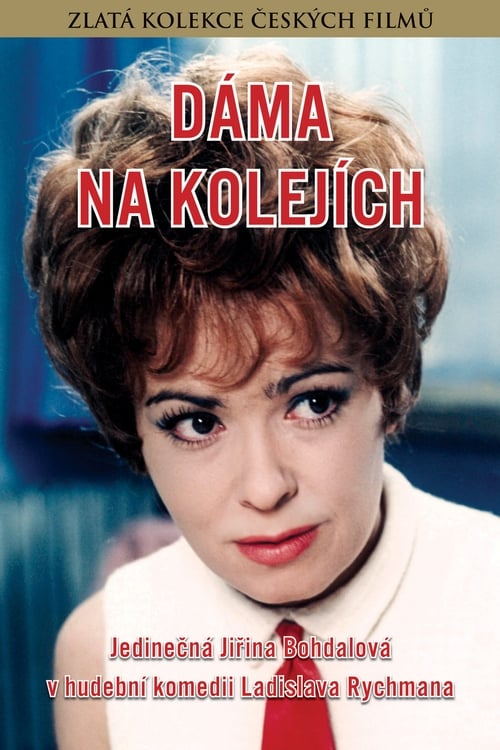
Tram driver Marie has far too much to do after her shift is over. But she likes to do it all since she loves her husband Václav sincerely. One day she spots him on the Lesser Town Square in Prague, kissing an attractive blonde good-bye. It seems to Marie that her small comfortable world has collapsed and she walks out of the tram in tears. But her sadness does not last long. She wipes off the tears and begins to act. She withdraws all the money from their savings books and buys off all the latest models from the Fashion Works. The visit to the beauty salon then completes her transformation into a lady.
1967
1965
1966

1952
1963
1979
1961
1954
No reviews yet. Be the first to share your thoughts on this movie!
Use the rating form above to leave a star rating and optional review.